Episode 4 · April 7, 2026 · 40:28
"It's Safe, It's Close to the US and Canada, It's Beautiful" - The Case for Costa Rica
Two Start Abroad founders on living in rural Costa Rica and having a baby there, including how her birth made them permanent residents.
Listen on Spotify →In this episode
Anna and Zach of Start Abroad join Americans Abroad to talk about life in Costa Rica and starting a family there. Before the interview, Jen Barnett and Stephanie compare how kids are raised in Mexico and Portugal. They also take on the question they hear constantly: which country is best for kids.
The couple met working in Kenya. They chose Costa Rica for safety, closeness to family and US time zones. Their daughter Louisa was born there, and that made them permanent residents. They cover healthcare, schools and slow banks. The episode ends with advice on being a thoughtful resident as gentrification becomes a local debate.
Key takeaways
- A child born in Costa Rica is automatically a Costa Rican citizen. Her parents can skip temporary residency and become permanent residents through her. The usual route takes three total years of temporary residency first.
- Giving birth at a top private hospital near San José costs about $5,000 all in if you pay out of pocket. That covers hospital and doctor fees, and Anna and Zach's specialist and doulas were included.
- Public schools teach only in Spanish, and quality varies by location. Most expat families choose private or international schools, clustered in the Central Valley, along the coast near Tamarindo and in the South Pacific.
- Build waiting into your schedule. A simple in-person bank deposit can take an hour or more, and honking at drivers stopped for a chat marks you as a gringo.
- Costa Rica is not very accessible for people with disabilities. One couple on the first group scouting trip found that out before moving.
- Cane toads come out at night and are poisonous to dogs. One Start Abroad client went home after her dog was poisoned by one.
- Plain Cheerios aren't sold there, only the sugary kinds. Anna and Zach bring three boxes back from every US trip.
Chapters
Show notes
Our guests this week are Anna and Zach from Start Abroad. We discuss their lives in Costa Rica, what their day-to-day is like, and the process of having children abroad. Curious about safety for children abroad or which country is best? Thinking about Costa Rica? You will not want to miss this one!
Episode Resources:
Think Costa Rica is for you? Here's information on our FULL Costa Rica Guide!
To begin your journey abroad take our FREE quiz!
Questions from this episode
Is healthcare free in Costa Rica?
In the public system, yes. Care is free at the point of service. Kids get scheduled checkups and vaccines at the local clinic. There's also a private system, and many people use both.
If I have a baby in Costa Rica, does that give me residency?
Yes. A child born in Costa Rica is automatically a citizen, and the parents can become permanent residents through the child. That lets you skip the temporary residency stage, which normally lasts three total years before permanent residency.
How much does it cost to give birth in Costa Rica?
At one of the top private hospitals near San José, about $5,000 all in if you pay out of pocket. That covers hospital and doctor fees. Insurance can change the number.
Go deeper
Moving to Costa Rica: The Honest 2026 Guide for Americans
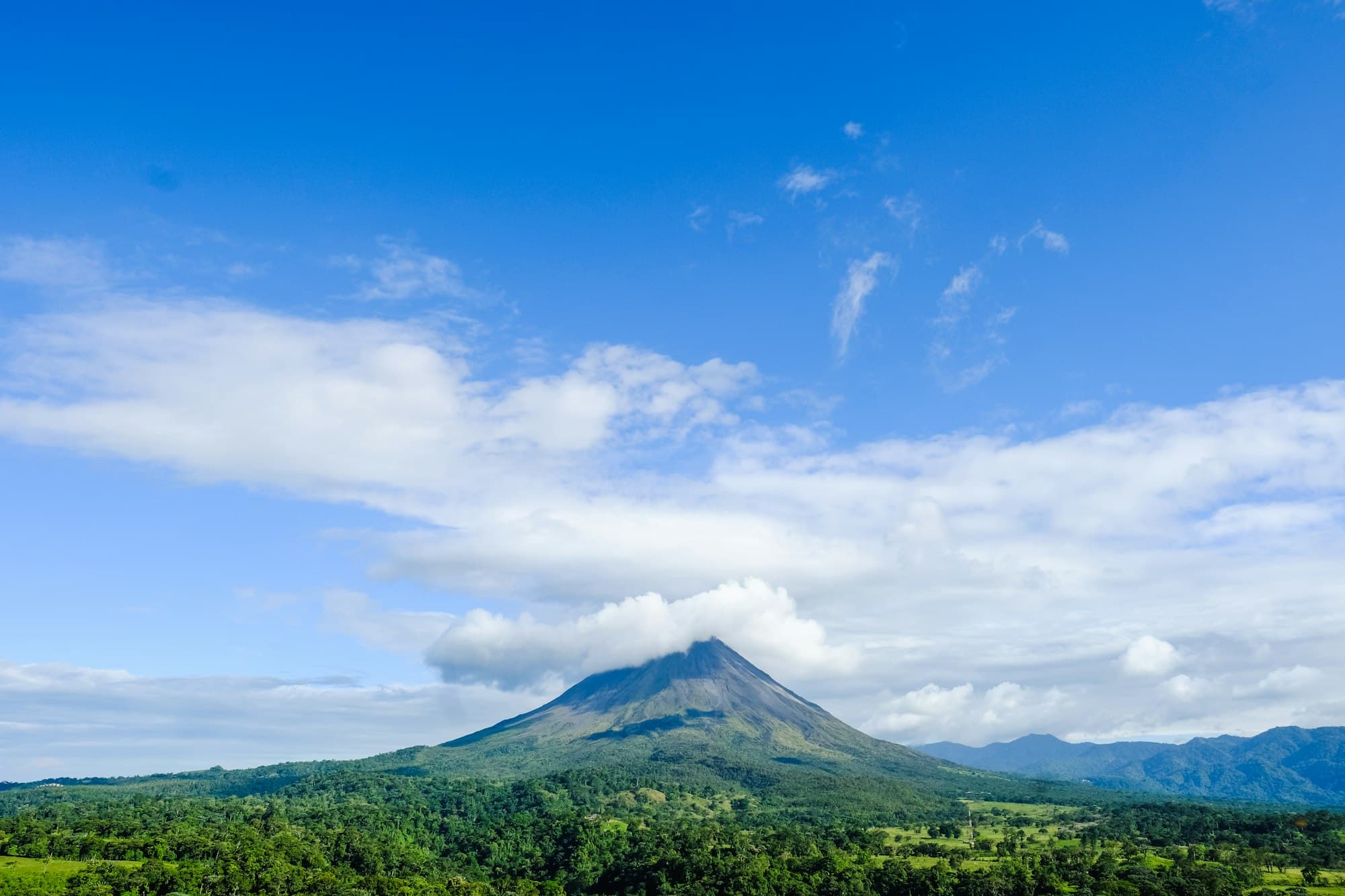
Zach and Anna of Start Abroad make the case for Costa Rica as a safe, beautiful place close to home.
StartAbroad
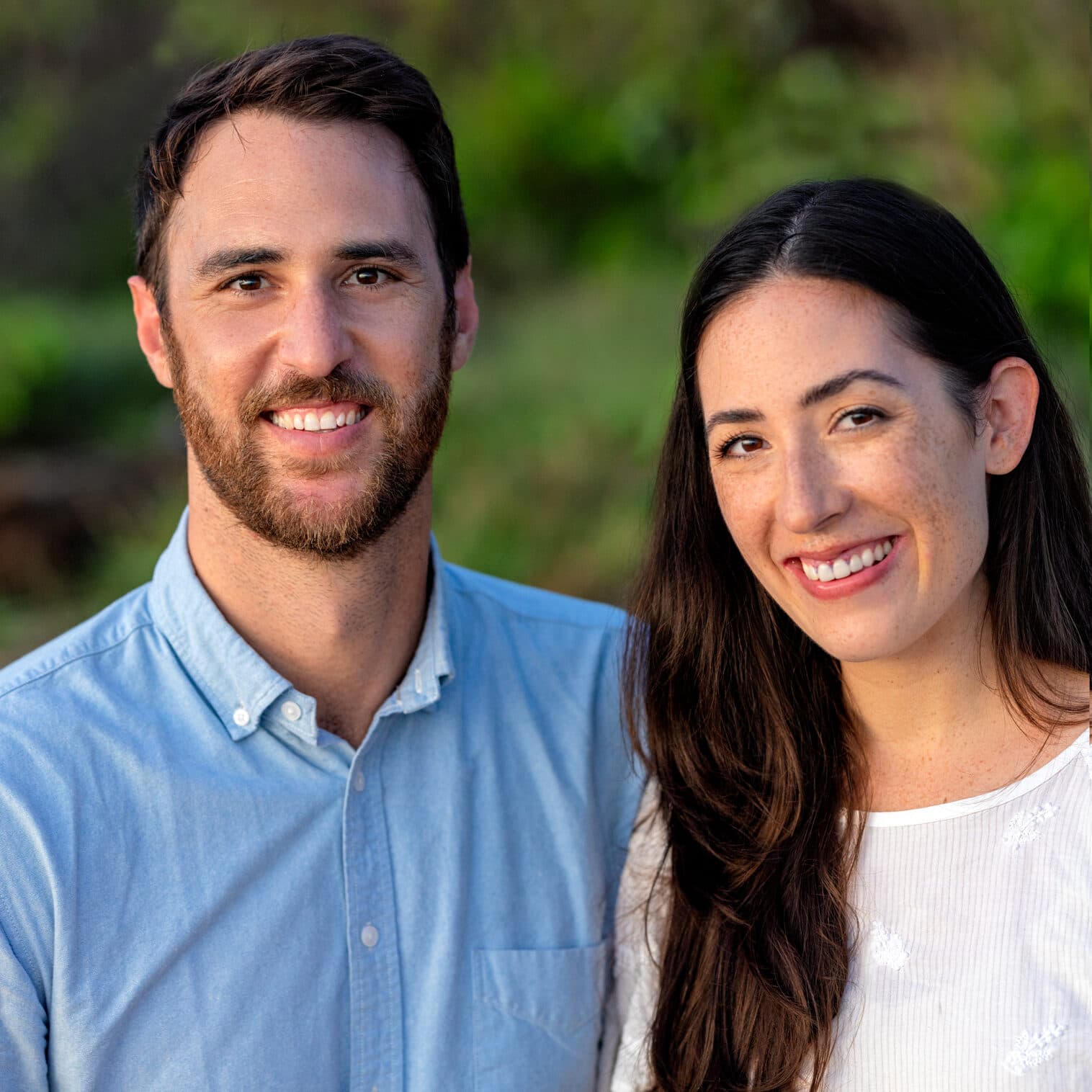
Zach and Anna, this episode's guests, run Start Abroad, Expatsi's Costa Rica partner.

Expat Guide: How to Get Costa Rica Healthcare
Louisa gets free checkups and vaccines at the public clinic, and her birth cost about $5,000 at a private hospital.
San José: a real city underneath the pura vida
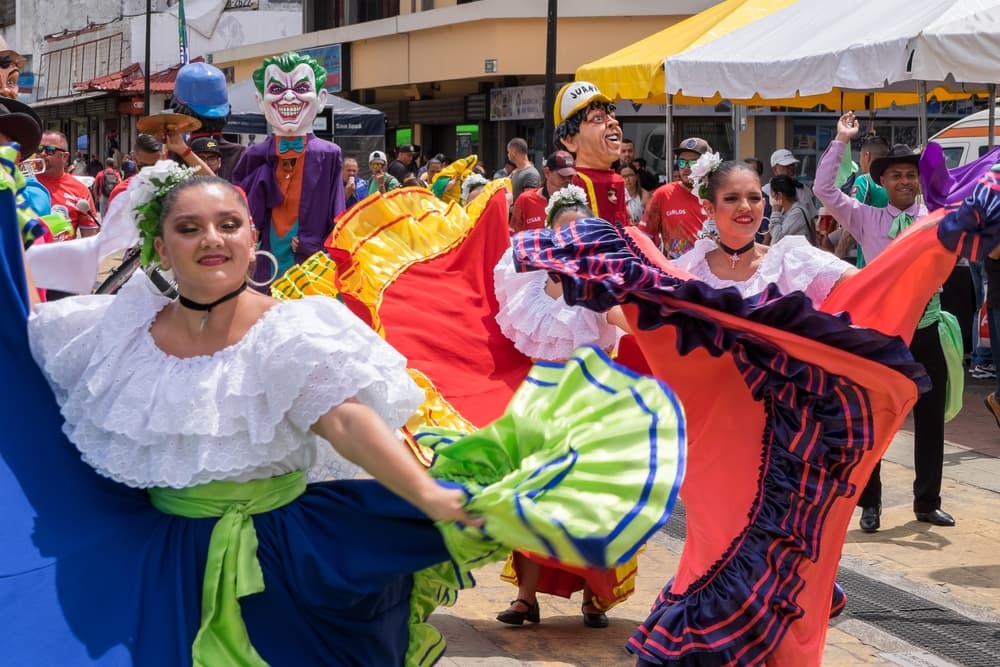
Zach and Anna's daughter was born at a top private hospital near San José, in the Central Valley.

Vacation vs Scouting Trip: What's the Difference?
Zach and Anna expect three of the six people on their Costa Rica group scouting trip to move.

5 Best Countries For Raising Kids
Zach and Anna moved to Costa Rica to start a family and are raising a toddler in the countryside.
Transcript
Transcript is auto-generated and lightly corrected; it may contain errors.
Read the full transcript(7,087 words)
English speakers are still a novelty here. And of course, I had two cats who basically destroyed their carriers on days one and three. There was a lot of discussion to make sure that we were aligned and that we were doing it for for similar reasons. What are the visa paths? Are you running towards something or are you running away from something And then what?
I can't believe we're finally here. This is Americans abroad. Thanks for joining this week on Americans Abroad. This week we're going to be talking to Zach and Anna, our partners in Costa Rica, all about their life there and especially raising a child, which is really interesting. So Stephanie and I are your fun aunties. We are not parents ourselves but I just wanted to ask like, what do you think is the difference between raising kids in Portugal over the US since you're there?
Yeah, there's a lot of things that I observed even when I went on the scouting trip in 2024 that just felt very different. And then I've learned some things about like how school is run. But I think the, the biggest thing that I have noticed with kids here in Portugal, or at least in my neighborhood, is that direct parental involvements. Parents walk their kids to school and they walk their kids home.
And I'm going to say this and, and I understand, you know, technology is important or whatever, but I don't see like the kids on their iPads walking home from school with their folks or in the back of the car, there's conversation. Or when you go have dinner on a Sunday, it is the kids and the parents and the grandparents and there's just involvement in the family that I didn't really see as much in in the States.
So Jen, what about you? What differences have you noticed about kids and their interactions in Mexico? Well, I mean Mexico is the most kid friendly place I think I've ever been in my life and people are younger here. Mexico is is having declining population just like everywhere. I think probably people saying for Portugal think that have old fashioned notions about countries that are predominantly Catholic and that they have these infinite kids and all that stuff. And that's just not true at all.
That said, it is not declining as much as, you know, the US or Northern Europe or South Korea or anything like that, but they but they are having too few kids. But that said, they are so kid focused. Like if you go to the mall, which we do, there is a kids play land at at the end of every single wing of the mall.
And yeah, it in restaurants, like there's a Chili's, don't judge me, there's a Chili's and I like the nachos. And in the back of the Chili's there's a play land. And so there's just this common of, you know, of course a kid exists here. Of course a kid needs entertainment. Of course the kids needs interaction that you don't see in the US I will tell you that isn't always my preference. I have great respect for children because I love women and so I tolerate it.
But it isn't my personal preference. You know, I like my quiet space and I like my cats and and all that stuff. I really endless, they're endless. They're my nieces and nephews and my nieces and nephews can do no wrong. And Earth, Saints on earth. Yeah, you have one coming soon, so we'll talk about that. But but you just have to.
It's just, I respect it as part of the culture. I respect Mexico. I respect Mexicans, and therefore I respect how they feel about children. And I just change my own expectations to accommodate. Yeah, I meet a friend here in Porto and she has three little kids. 11 is I think 2:00, maybe just turned 3 and then 7:00 and 8:00. So school aged kids, I learned that in Portuguese school. You have, you know, like a little morning recess. You have your lunch break, which Jen is 90 minutes. Oh my God.
Oh. Does she tell you what they eat? Because I'm dying to know what they eat. No, I haven't, I haven't gone that far. But First off, to have like an actual lunch break, you know, crazy 9035 minutes to like shove, you know, a lunchable in your face and then try to go back and learn. But to have 90 minutes to eat and run around and play and like burn off the energy and all of that.
And then you have afternoon snack at like 3:00 and like afternoon snack is not just, again, you have some Pringles in your face. It is a yogurt and a granola and a thing. And like, it's all, it's like what American kids bring for their sack lunch is afternoon snack. And then the kids go home about 5530 because they stay for a language class or music class or whatever they're and this is elementary.
And I'm like, you've got to be kidding me, I'm supposed. They don't have a glass of wine. And a little sippy cup. But yeah, it's, it's amazing that like that. Heck, even as adults, when we work, we don't get 90 minutes for lunch. Little Sally and Timmy, little little Joao is getting 90 minutes for for lunch as a third grader. But yeah, there's an elementary school right around the corner. And I walk the dog by there all the time. I was, I was always asking, why are they getting out of school at 5:30?
That feels late. That feels late. And it's because they have all these breaks and they get to do all this extra stuff, all the things that have been defunded in the states, in our school system. So even like the schools feel so much more kid focused and just being able to let them #1 be kids and #2 you know, explore stuff beyond studying to a standardized test plus.
Don't forget, once they get out of high school, if they get into a public university, it's free. Yeah. So that's a nice, a nice thing to look forward to. We've done some kid interactive things here because we do trick or treat. You know, this is a big deal in my neighborhood. The first year that I moved here, you know, I joined the neighborhood WhatsApp group.
It goes 90 miles an hour. I can't keep up with all of it. And we're the only Americans, you know, So of course it's in Spanish. Is it what? As it should be. But the point is they decided to have trick or treat. And I immediately got roped in as the subject matter expert on trick or treat because that's not a thing here. You know, Halloween itself is not a thing here. It's it's Dia de Muertos or in Yucatan, it's called, please forgive me, Hanalpishin, which is the Mayan version. If I say, if I don't say it right, the Mayan version of Dia de Muertos.
So the one of the funniest things when they planned it that first year is there was this huge long committee debate over what day to have it. And I'm like, it's on. They don't just choose a random date, but we had it on the second. I was like, OK, whatever. You know, maybe you haven't before, but no, but you know, if, if no construct exists for it.
And so anyway, so we sit outside, we have wine and we do, you know, full size candy bars because that's my I want to be my legacy. And kids come by and they are so sweet. They're all bilingual in our neighborhood they're in, you know, they speak English with little California accents because I guess some of the movies and TV and stuff. And they're they their parents come with them even if they're like 16, they just walk around together and they'll have a chat and they want to meet Squiggy.
And it's just so community oriented. And if you go to the beach, just like you were saying, they're 3 generations now, young lovers go to the beach by themselves, you'll see young couples. But once there is a child, it's the whole family is together. And that's the same. If you go out to dinner, even at Starbucks, at the Starbucks at the mall, there's there are these huge long tables and there will be extended family on a Tuesday night at Starbucks.
I mean, I don't think I think I ever went for coffee with even my parents, much less, you know, my whole my. Grandparents and a cousin or two I. Can't even back them at like we were. So we were so independent, you know, which has pros and cons, but I can't even imagine being so connected to my family in that way. And I, I, it's really sweet.
Yeah, no, it's, I think there's a benefit. I mean, obviously a benefit, but there's a definite benefit of being able to be included at a very young age. I think it just teaches you how to communicate and how to navigate and just the importance of, you know, get getting away from this thing as much as possible. I mean, we have such short attention span these days.
And so to see kids and teenagers, there's also a high school across the street from the elementary school and every day about 1:00 when the teenagers are on their 90 minute lunch break, they leave campus, they go to the grocery store and they just hang out and just like chit chat and again, their little community. So having some of that autonomy to be able to learn how to navigate and get along with folks and handle conflict in these very like tiny little ways, I think is really, really important and something that I wish I could impart on like my nieces back in the States.
Yeah, that listen, there is a loss. The listen I'm going to sound like an absolute fossil I'm from. The 70s, I don't know. I feel the same the same way here where I'm like, you know. I am I know I know when the street lights came on and we drank from the hose and blah blah blah. But there is that is a loss and I was shocked when I started to see kids not playing outside. It was so weird to me, and I'm sorry, but I do not subscribe to this.
It's safer thing. Yeah. OK. So they're safer from one particular thing which is being abducted. The odds of them being abducted, One in literally 100 million, not literally one in 20 million. And as a result, a whole generation has been denied autonomy and freedom and independence and excitement and adventure and, and all the things that we got to do. It's absolutely heartbreaking.
And I have a lot of, again, child free opinions on that. So I'm not going to get too far into it because it's not going to be, you know, appeal to anyone, But but I do think it's a loss. And if you want to raise your kids like that, being abroad is such a great way to do it.
You'll hear Zach and Anna talk about their daughter Louisa, off with the neighbors. And they don't know where she is. She's 2, but they know she's taken care of. And if you meet with Allison, our guy in Spain, you'll ask those kids, they're they help themselves to the whole country on the trains until whatever time, just like the adults do. And it is so good for them.
I mean, it really, really is. And it's what makes you able to problem solve and and let me tell you, protecting your child from all dangers. Yeah. So they they maybe they're safe from that one thing, but now they can't function, you know, now they can't. That makes. Them afraid of everything. Yeah, that isn't positive. That isn't.
They aren't safer if they cannot solve their own problems, because you're not going to be around forever. Yeah, I know that we get the question a lot of what country is best for raising kids. And I'm sure we have folks who are listening that are asking themselves that very same question, if they're still. Listening and haven't. Turned it off. You're like these weird Gen.
X women who have opinions about my children. But what advice are or how do you help people navigate, you know, moving abroad with kids and making that country choice? I get that question a lot. You know, what is the best country for kids? And I guess they want a BuzzFeed listicle. And I don't blame them. You know, BuzzFeed listicles are popular.
But the truth is kids thrive in every single country on earth. They they really do. And so to me, the best country for you to have kids is where you are happiest as a parent. If a country aligns with your values, if it aligns with your goals and dreams for your life, you are going to be happier.
And of course, your child is going to be happier. So I, I think, you know, I always use the example. It's funny, Speaking of Zach and Anna, I always say, you know, do you want your kids to run around in the cloud forest? Do you want them in little school uniforms in The Hague? Do you want like, what is this life that you're imagining for yourself? And how are they a part of it?
But there is no best place for kids, you might think. If you are thinking of safety, you might not think of Mexico, for example, because people have really strong opinions about how safe Mexico is. And yet kids here are happier than I've ever seen in my life. So it just depends on you and what's important to you. Yeah, and what's important to your kids as well, where they're going to find their joy too.
Yeah. Are you thinking about moving abroad but you're not sure where to start? Join us at Move Abroad Con. It's a 2 day event where you'll meet experts, get your questions answered and leave with a real move abroad plan. It's happening May 9th and 10th in San Diego, CA. You can learn more and grab your ticket at moveabroadcon.com. We'd love to see you there.
Welcome to this week's episode of Americans Abroad. This week we're going to be talking about Costa Rica, starting a family abroad, and what you need to know if Costa Rica is on your radar. We are joined by Zach and Anna from Start Abroad. Zach and Anna, thanks so much for joining us today. Thanks so much for having us.
Hey, Stephanie, great to be here. So let's start at right at the beginning. What made you decide to leave the US and move abroad? Well, we had actually lived outside of the United States for a very long time before we moved to Costa Rica. We met working in Kenya. I left the US for work in my early 20s, and so did Zach with the Peace Corps.
She's burying the lead there a little bit. When we moved to Kenya, she was a big boss and I was a lowly associate and so would. You need to call HR. Yeah, I was the HR. Director. That makes it easy. Yeah. And we moved around a few times. We moved from Kenya to Rwanda. And then in March 2020, we were travelling back to the US for two weddings. And while we were flying, everything shut down, got stuck in the US for a while.
And then while we were there, we were like, well, what's next? Decided we wanted to, we wanted to start a family, be a little closer to home because when you live in East Africa, you are 40 hours from your 40 hour travel day from your family, you know, 8 hour time zone difference. And so then we started to look around to see where would be next.
Yeah. So Costa Rica ended up being the 1st place that we both lived. That was the place came first. Like before that, it had always been for a job or some other kind of opportunity by requirement. But this most recent move, we were like, we want to choose the place first. We want to really choose a place that like speaks to us that we're excited about moving to.
And Costa Rica was that, plus it kind of ticked all the boxes of what we needed, right, which was largely safety, proximity to family on US, time zones for remote work, all these things. And I will say, you know, when you move for a job and they say, all right, you got to move to rural Kenya, you say, OK, if that's what you you're on board for when you have to choose on your own. I actually, I think it was really difficult for us. There's a bit of a tyranny of choice because we got to move to Portugal or Panama or we're
considering Colombia, we're considering all these different countries. And there is it became difficult when you have to. It's just kind of up to you. That's really common amongst the people that we work with, which is why, you know, we have the six stages of moving abroad and we have the Expatsi test. Did you already know what your visa path was going to be before you started looking at countries? We.
I mean it. It definitely depended on the country. Of course. We did consult with quite a few Costa Rican immigration lawyers before we came down and they all told us the same thing, which was since we were considering starting a family pretty soon, they said, well, great guys, then you should just do that in Costa Rica and you will become permanent residents through the birth of your child in Costa Rica.
So we're kind of in a, we were in a unique situation I will say or not a very typical situation when it comes to how we went about that. We had an anchor baby, yeah. That is literally one of my quietest is about your sweet anchor baby. We had we had an anchor baby. Is it a boy or a girl? It's a girl.
Her name is Louisa. Is Louisa Costa Rican? Is she a citizen? She's a dual citizen, so if a child is born here, they're automatically a Costa Rican citizen. We're from the US, and so we applied for dual citizenship and through her. So there's a temporary residency system that then leads to permanent residency after three total years. Well, we got to skip the temporary residency portion because of her. So through her, we're permanent residents. So would you recommend to people to come have their babies in Costa Rica like you did?
I mean, if that's already part of your plan, yeah, absolutely. It's it's, you know, there are lots of pros to that one. Your child is a dual citizen now. That's a pretty great gift, I think, to be able to give. Two, it makes for a much easier road for yourself to jump straight into the permanent citizen category, so it's really nice. And, and overall, I think we've had a really wonderful experience.
Maybe you can speak a little bit about, you know, your experience as a mother or mother here, but raising a child here is, is lovely. You know, one of the things that we wanted to accomplish when we were looking outside of the US for our next move was we wanted to raise our child in a culture that was a lot more family oriented and a little safer and kind of more nature conscious and where we could afford, you know, help. Because in the US it's so expensive to raise a kid. And all those things have been,
I think, even better than we. Thought yeah, it's honestly been fantastic. Like our daughter. So we have our nanny lives like a 5 minute walk down the street, you know, we work full time. So she she's here every weekday and her family also lives a 5 minute walk down the street. And our daughter has basically been adopted by their entire family. She's just gone right now.
We have no idea where she is, but she's probably at Grandma's. House. I'm getting fed and making a rape it. Truly takes a village. Yeah, it truly does. And she has that which is really beautiful. I mean, they will have family functions, like extended family functions like Easter lunch or whatever. And Louisa is always. We're not invited. We are not.
Yeah, but she goes and it's wonderful. And she's also becoming a native Spanish speaker so she can switch back and forth. The other day, Anna was like, Louisa, come here. And she went. And we were like, no, it's starting. It's already not. Only can she speak Spanish or she could be sassy in Spanish. She's so sassy in Spanish.
She's way more sassy in Spanish, actually. Which is. What we're really looking forward to is the day when she is embarrassed by our Spanish this. Is going to happen in like half a year. Yeah, this. Is a 2 year old. We we think we're like pretty good at Spanish, but like, it's coming real soon that she's going to be embarrassed by us. For sure.
Well, since you had a baby in Costa Rica and she's very young, I'm sure you've had extensive experience with the Costa Rican health system. Can you just talk a little bit about your experience with healthcare in Costa Rica? Yeah, sure. So in Costa Rica, like in many other countries, there is a national healthcare system and a private healthcare system. So, you know, a lot of people who are moving, they're going to want to use both maybe for different things. I gave birth in a private hospital, you know, one of the top private hospitals in the country near San Jose, the capital.
And I really had a great experience. And I will say that, you know, across the board, Zach had knee surgery also like pretty intensive knee surgery a few years ago. Our experience with like the doctors and the facilities has been great. The other thing that's really nice is in the public healthcare system, you, you get free care. It's it's free at the point of receiving that care. And so, you know, for our daughter in particular, for Louisa, all of her checkups and vaccines and everything, you know, they'd just be scheduled in advance. We'd just take her to the local
clinic in our town on like the regular schedule and she would get seen and checked out. If there's ever, you know, if she's ever sick, we can take her there and they take great care of her. So we feel very supportive at saying that way. How much did it cost, if you don't mind me asking, to have a baby at the at the best private hospital in Costa Rica? Yeah.
So if you pay out of pocket, it is about $5000 all in. You know, that includes like all the hospital fees, the doctor fees, everything. Obviously if you have insurance it can be. And we had our own kind of specialist there with us, and that's included in that. Yeah. Yeah, and we also had doulas, so that's included. We decided to get doulas, which is actually great. Sure.
A great decision, yeah. That seems like a really good fit with the lifestyle there, you know, and being one with nature. We also just didn't know what we were getting into. We didn't know anything. And so then the doulas kind of guided us through in a, in a really supportive way, you know? It's nice to have when you're in a healthcare system you're not as familiar with, for sure.
And they, you know, were native or not native, but they spoke fluent English and Spanish and they kind of go do the go betweens. And I was terrified going in like what do I do? How do I support? And, and it was, it was a very supportive atmosphere, yeah. That's nice, is it hard to meet other parents and have play dates and stuff like that or they're groups?
So there are groups, I think right now Louisa goes to this like kids club twice a week and then she also might start going to like a a daycare that's a couple of hours certain mornings. So there are groups like that around, you know, it depends on where you are. If if we were in a bigger town, I think there would be more opportunities. There are lots of like very high quality daycares if that's what you prefer in.
International schools and and activities. We live very rurally and in a pretty small town. We we live on right on the lake so there's a lot of outdoor activities and we have a number of friends. So 2 days ago we went and hung out with our friends and their three-year old. And so there are opportunities and it really just depends on where you live.
And it definitely helps if you live in a small town like ours to make some Tico friends who can tell you how it all works in your town and who to talk to to get into what program, whatever it is. Have you started to look into the school options near you? And also for Americans who are considering Costa Rica, who maybe already have kids, what advice would you give them about navigating the school system there? Yeah.
So there's three options. There's the public system, the which is OK, depending on where you are, the the quality varies, but it's going to be solely in Spanish. So for a lot of expats coming down, the kids don't speak Spanish yet. You could do it once you're a resident, but it could be challenging. What most expats will do is put their kids into private or international schools. So there's really good private schools. They're kind of clustered in a few different areas to the Central Valley.
There is four or five excellent ones down in the Iguana Costa coast where Tamarindo is. There's a few excellent ones in the South Pacific, and so most expats will put their kids in schools there. For us, it's a bit of a challenge because we live very rurally. Luisa isn't at the age where this is really critical right now. They're talking about starting a a new educational program here. But we're going to, it's kind of a wait and see for us just because of where we've chosen to live. But in Costa Rica in general, there's a lot of really great options.
Are you seeing more Americans move there? Retirees, families, nomads, anyone? Yeah, Costa Rica continues to be really popular. I mean, it's, it's very safe. It's close to the US and Canada. It's beautiful. So it continues to be a really popular destination for for expats. You just hosted our first group scouting trip there, So what did you think of it? I mean, did people like it?
What did they like? What did they not like? Do you think they'll move there? I think those scouting trips are so important. I'm a firm believer in cultural fit. I think there's no substitute for going. And you know, sometimes, sometimes you go to a place and you say this is lovely for vacation, but I don't want to live here.
And sometimes you get to a place and you say this feels like home. And I think that type of trip can help illuminate that for folks. I think in general, the trip was very positive. It was the worst traffic weekend, I think ever. And so there was really bad traffic, but in general it was a very positive experience. I think three of the six will definitely move here. Another couple, it's probably not the best fit because they're it's not the most kind of handicap accessible country in the world.
And so they kind of realize that while they're on the trip. And I think that's really useful though. I think that's really beneficial outcome of that kind of trip. And then a few of the other folks on the trip or are deciding between a few different countries. And so I think that kind of trip is, is excellent for people that are making up their minds or want to get a better feel for a place. Yeah, I agree.
And it's for us. Even people deciding they don't want to move somewhere is still a win because now they've said, I mean 10s of thousands of dollars potentially in time and effort. So you also you help people move abroad. Did you plan to do that when you moved to Costa Rica, or is that something that developed after you got there? Yeah, it was something that was developing as we were moving. So my background is in international HR and so I, you know, I helped international employees move to new countries in the past, including Zach to Kenya. And so we were going through a
period obviously like many people over COVID have, kind of thinking about what's next both professionally and geographically. I was graduating from Business School, Zach was kind of ready to move on from his job. And as we were thinking about where we wanted to live in the world and looking at places, we were also realizing that the type of support that we were used to moving as employees where it's just all handled for you, like doesn't really exist when you're doing it by yourself if you're a retiree or a digital nomad or fitting in one of these categories.
So we decided, hey, we could do that business. We could offer what we were looking for at that time. So that is something that as we're moving to Costa Rica, we're like, OK, well, let's get this started. We were, we, we wanted to hire a company that would kind of manage the move for us. And we weren't finding ones that were offering what we wanted. And based on the kind of support we wanted and based on Anna's experience and our personal experience of moving all over the place, we thought we could help people because what we also saw were horror stories, right?
You get to move to Costa Rica. It should be this really joyous celebrative experience and said it often became very negative because people get scammed or they trusted bad information online. And, you know, there's so much good information, but there's also so many scams and bad information. And so people would say, well, I needed to move to Costa Rica to lower my healthcare costs, but I got scammed and now I'm not going to move.
And that's kind of heartbreaking, right? And so we thought we could really help people do it as efficiently and effectively as possible. Yeah, it definitely sounds like what is it? Necessity is the mother of invention. And that's, you know, how Expatsi got started with Jen and Brett and them navigating their move abroad. So, you know, not an uncommon story.
So as you've helped people move to Costa Rica, what kind of people do you see thriving there? What traits does somebody need when making a a big international move? So you have you heard of Pura Vida? It's it's kind of the Costa Rica's slogan. I thought it was a marketing gimmick when we first arrived, but it's not.
It's people say you're, you say, oh, like almost asked and they say Pura Vida. They just, it's, it's part of the culture. I think, look, anyone can make it here. There's all, there's everything you're looking for from, you know, nice urban environments to cloud forest, incredible beaches. And so whatever you're looking for is here. I think the people that will really thrive are the people that can, as Americans, and I think Brits and Canadians, we're very, we're used to things working in a certain way.
So the US is all set up for efficiency of commerce, right? Like things work pretty well generally because that allows us to spend money and that's the way the kind of whole culture is set. And this is not like that. They don't really care. It's really based on personal relationships. And so things just move a lot more slowly. And so the people that will really thrive here are the ones that are OK with that, that embrace it. It's a big reason why we all want to live here. But it can be really frustrating and it can actually drive some people nuts.
And so the folks that thrive are the ones that are able to really embrace the the Pura Vida mindset and all that stuff. Do you have any horror stories of people who have have not done well in Costa Rica? I don't, do you? Horror stories? No, we had an early client that was terrified of 5G, remember? That yeah, that was kind of AI, don't know if. It's a horror.
Story that wasn't about adapting to Costa Rica, though. Yeah, that, yeah. We've had people go back, you know, they'll move for two years and say, look, this is really what I'm looking for, which is also fine. You know, we, we want people to do as much due diligence upfront as possible, but there's no substitute for living in a place. And if you go and you say the worst, the worst outcome is we had a nice two years in Costa Rica and that was an adventure. But we want to be back and close to our grandkids like that. That does happen.
That makes a lot. Of sense too. I OK, I will share instead, you know, like the type of thing you should maybe be prepared for that, you know, if you hear the story and it makes you want to pull out your hair, like, OK, maybe like just think about it, which is going to the bank takes surprisingly long. Like I sometimes just want to go to the bank to like make a deposit or, you know, something really simple, right. So unfortunately it's something I have to do in person with our bank.
So I'll go to the local bank 5 minute drive down the road. I try to go at a time where I think they won't be busy, but sometimes I get it wrong and I could be sitting there waiting for my transaction for an hour, you know, easily. It could be longer and you just want to take out a little money and it's. And I, I'm just sitting there waiting and it doesn't make any sense.
And the bank teller is chatting up the person sitting in front of them and they're having a great conversation. You're like, Oh my gosh, I got to get to my thing, You know, like when is this going to be over? So that's, I would say the first year is the type of thing that would make me get pretty frustrated.
And now I think it's just like a, yeah, that's life. You gotta build that into your time expectation or you're in traffic and it's just because two dudes in cars going opposite ways, they're just talking they. Just stopped to chat. They just dropped down their windows. And there's 20 cars behind them, and you would never beep. So Atika would never beep at that.
Yeah. And it's if somebody beeps, you know, it's a gringo. And so, you know, you just kind of got to sit there. And it's the pace of life. We did have one client who went back because her dog got out and he got poisoned by a cane toad. Maybe this is a bit of a Horror Story. There are cane toads here that come out at night and they're poisonous to dogs.
And if a dog can grow, the dogs that survive here are the ones that kind of aren't the ones that eat cane toads. So if you're if you're a foreigner dog, you don't know it looks like a little ball so that. That is a horror we. Probably went home because of that. Yeah, that is a Horror Story.
But no, generally speaking, if you can adapt to that type of lifestyle, you'll be you'll be in good shape, I will say. Some more quickly can't eat the toads. Yeah. Don't eat the toad. A toad, you were saying. A toad. Don't eat the toads. Yeah, OK, Don't eat the toads. Yeah. So beyond efficiency at the bank and some of those customer service things that we're kind of used to in the US, is there anything else that you miss about living in the United States?
Plenty. I think the US does public, public spaces really well. So just, you know, all of our parks and national parks and state parks I really miss because, you know, Costa Rica has parks, but it's not like they're a little less successful. There's not like great hiking trails the way that there are in the US, So that's something I really miss.
I, I'll be honest, I miss like the convenience of like Amazon and being able to buy whatever you want whenever you want. You know, you don't have that at all here, which I think is really good for my budget. It's great for that, but sometimes I do just want to be able to order like the shampoo I like. You know what else they don't have Just normal Cheerios. They have Cheerios.
We're big Cheerio eaters. They don't have plain Cheerios. They only have like the Super sugary Cheerios and we don't want to buy those. Yeah, that's sad. Too. I miss that. So whenever we come back from the US, we bring three boxes of big Cheerios. If they were here in Mexico, they'd be lime flavored Cheerios. I just, yeah, yeah. OK.
So last question, is there backlash to Americans moving abroad amongst Tico's? What's that like? And how can Americans be thoughtful, responsible residents? Yeah, that's a really good question. I mean, I'll say in our day-to-day lives, we don't see anything like that. I do think part of that is just due to the culture here and that people are so generally friendly and welcoming and so on, like an interpersonal one-on-one level. I don't think you're ever going to experience anything like that here.
However, I will say in the country in general, over the past couple of years, there has been a conversation about this more so down in like the tourist locations, like on the beach about it's like a new word, I think in the Costa Rican lexicon, gentrification, right? Henri Ficacion. And so it is something that people are talking about more largely when it comes to housing prices, right?
Like the price of renting a a place to live. So I do think that, you know, the ways that we can be thoughtful about that are when we move to a place contributing to the economy, you know, like hiring people, if that is within your plan, whether it's as a nanny or a cleaner, shopping locally, so great, not Amazon, you know, like shop within the stores in your local community and try to to be responsible in that way. Just to add to don't expect Coaster here to be the US. I think people are really frustrated because your things are really frustrated if if
we're sitting at the bank and sticking an hour and you get really angry and upset and you're like, well, because they shouldn't adapt to us. We we're in their culture and country. And so like, if I beep aggressively because I'm sitting behind dudes talking, that's not, that's kind of bringing my own cultural attitudes towards things. I also there's a lot of parts of this country where you don't need to speak Spanish.
And that's really attractive for folks that are you, maybe this is your first time living abroad and they're inseminated by if even if you just try a little bit, I think it goes a long way. So you don't have to. It's not a requisite in a lot of places, but just trying I think you know can be really helpful.
Yeah, the good news about Costa Rica and speaking Spanish is people are so patient that they will wait for you to finish your rambling Spanish sentence that is not grammatically correct, and they will nod and smile and tell you that your Spanish is great. It's really good for your Spanish ego, yeah. It's amazing. Well, Zach and Anna, thank you so much for joining us on this week's episode of Americans Abroad.
If you want to learn more about Costa Rica, you can find Start Abroad and chat with zachandanna@expatsi.com. Also, Zach is going to be joining us at Move Abroad Con, which is May 9th and 10th in San Diego, CA. You can learn more about that at moveabroadcon.com. Again, Zach and Anna, thanks so much for joining us. Thanks so much for having us. Thank.
You guys, it's been a pleasure. Americans Abroad is an Expatsi production. Please like, share, subscribe and leave a review. Are you thinking about moving abroad? Start with our quiz at expatsi.com. That's EXPATSI dot. Com.
Not sure where you’d go?
Take the free Expatsi test to see which countries fit you, then come back and listen to the episodes about them.