
Episode 10 · May 19, 2026 · 42:50
"It's a Different Vibe. It's Happier": Living the RV Life Abroad
How a married couple lives full-time in an RV on tourist visas, driving from Canada through Mexico to Central America.
Listen on Spotify →Featured in this episode
In this episode
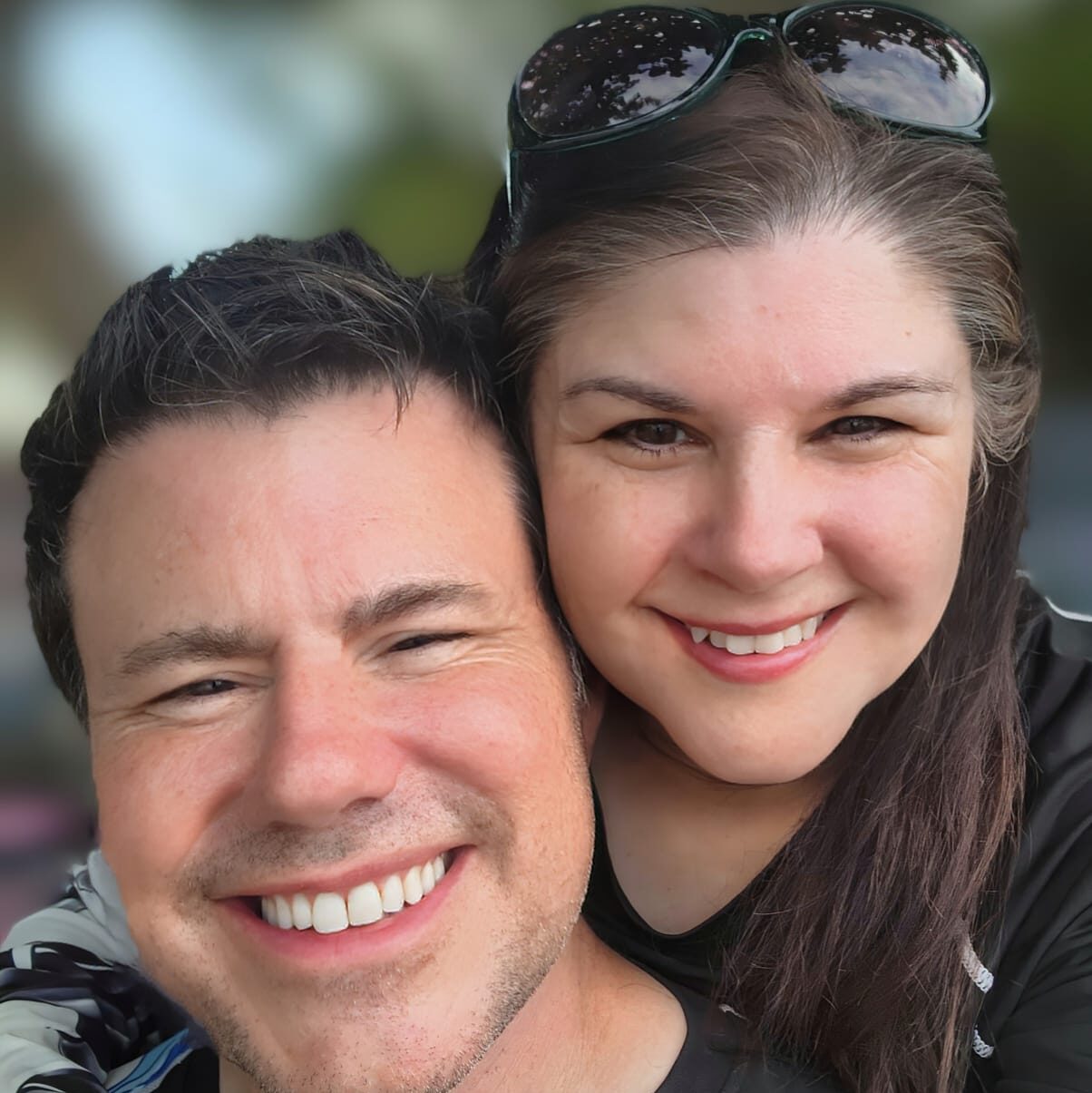
Holly and Sean Hirshberg have been married almost 30 years and live full-time in their RV. After about seven years on the road in the US, they drove it abroad. They have stayed in Canada, Mexico, Belize and Guatemala on tourist visas, and they still teach English online. Jen Barnett and Stephanie host, starting with whether either of them could handle life in such close quarters.
The couple walks through keeping Texas residency with a mail forwarding service and importing a vehicle at each border. They also cover paying cash for healthcare and traveling with a street dog named Victoria. They miss HEB and American holidays, but not much else. The episode closes with a listener question about the pros and cons of living abroad as a tourist instead of getting residency.
Key takeaways
- Mexico gives an RV a temporary import permit good for 10 years. A car gets six months. Either way, bring your current registration and pay a fee plus a deposit, which you get back when you leave.
- Belize lets you stay 30 days on a tourist visa and renew twice, for 90 days total. The first vehicle import there costs about $40 and takes about 45 minutes of standing around.
- Guatemala gives your vehicle 90 days. To extend another 90, go to the border or to the tax authority in Guatemala City and pay a small fee.
- Border fixers can be worth it. They walk you through the paperwork and translate, and a $20 USD tip covers it.
- As a tourist you can stay six months in Mexico, Costa Rica, Canada or the UK. The Schengen zone gives you three months.
- RV resorts with pools and restaurants can run $10 to $15 a night. Starlink makes online work possible from most of them.
- Don't leave a pet alone in the RV. The power goes out often in some places, and the RV heats up like a car.
Chapters
Show notes
Holly and Sean Hirshberg live the RV life abroad. They have visited countless countries. Curious to know how to do it? What are some of the hurdles? They go into detail here. Life in an RV abroad is not always easy, but it can be incredibly rewarding.
To begin your journey abroad take our FREE quiz!
This episode is general information, not legal, tax or financial advice. Talk to a professional about your own situation.
Questions from this episode
How long can you stay in Belize with an RV?
You get 30 days on a tourist visa and can renew twice, for 90 days in total. Your vehicle permit renews the same way. Drive to the city office that handles it, where they log your paperwork and initial your form. The renewal costs nothing extra.
How do you bring an RV into Mexico?
You get a temporary import permit at the border. Bring your current registration. You pay a fee plus a deposit that you get back when you leave, and officials inspect and photograph the vehicle. An RV permit lasts 10 years. A car permit lasts six months.
What are the pros and cons of living abroad as a tourist instead of getting residency?
You skip a huge amount of bureaucracy and paperwork, including proving how much money you have. You also get a long exploration stage to find the place you like best. The downside is limited rights. If a country closes its borders or tells visitors to leave, you have to go.
Are border fixers a scam?
Not in Holly and Sean's experience. The fixers they used were helpful and usually spoke English. They walked the couple through each step and translated. A $20 USD tip covered it, and it was worth it every time.
Go deeper
Holly & Sean Hirshberg
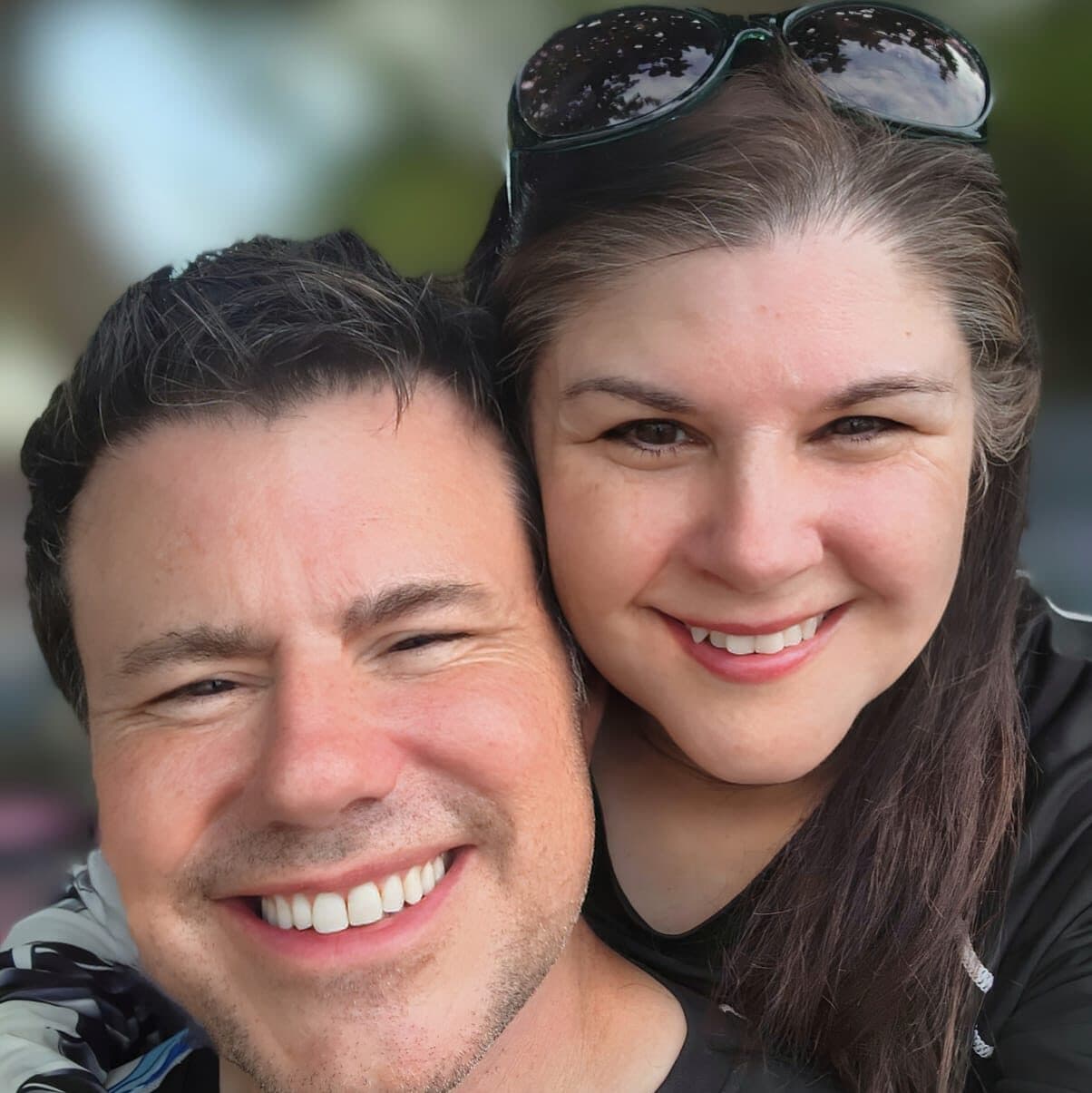
Holly and Sean Hirshberg, this episode's guests, coach people who want to live in an RV abroad.
So you want to move to Mexico
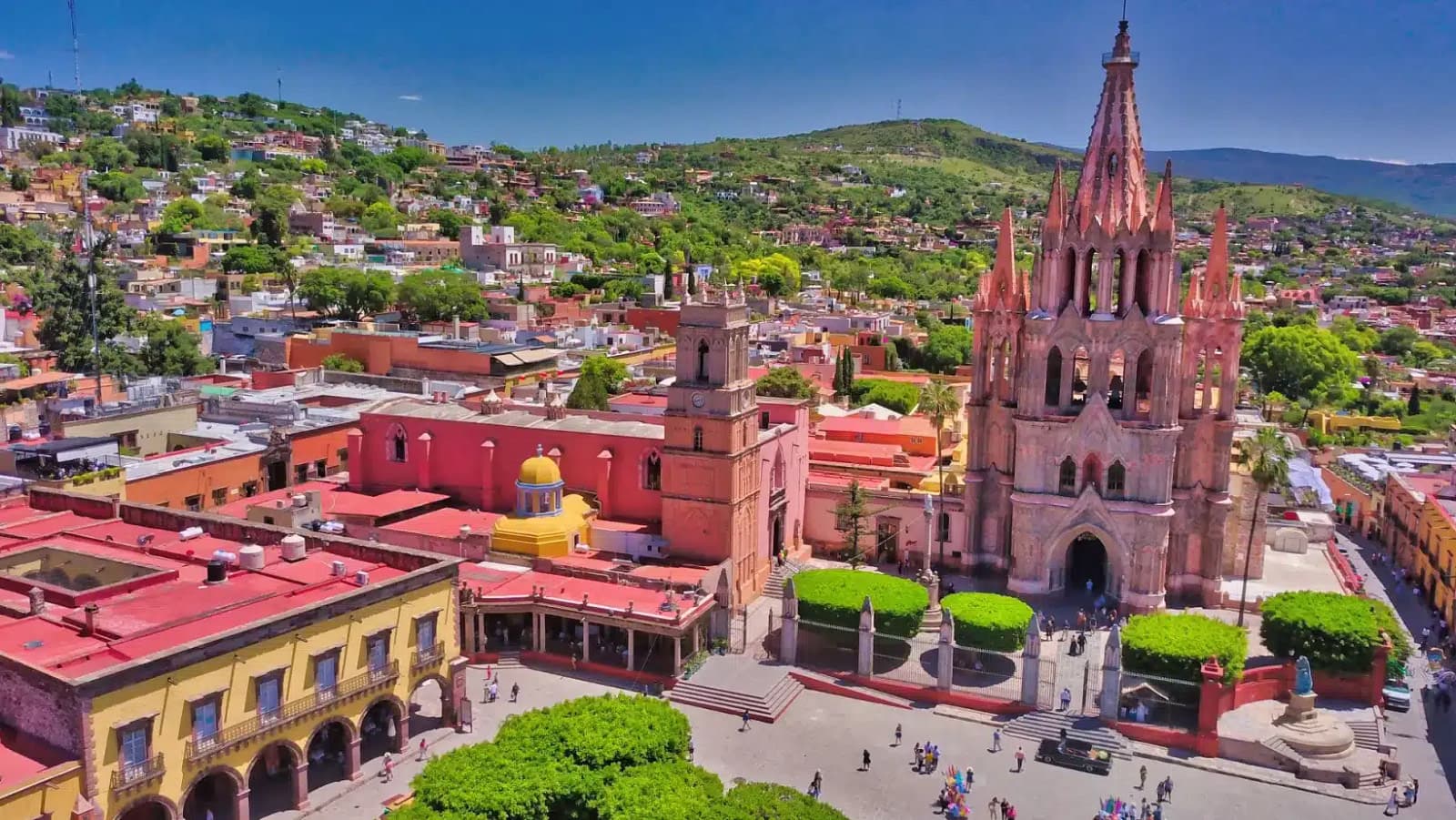
Mexico is where the couple spent six-month tourist stays and brought their RV in on a 10-year import permit.
Mexico temporary residency, start to finish
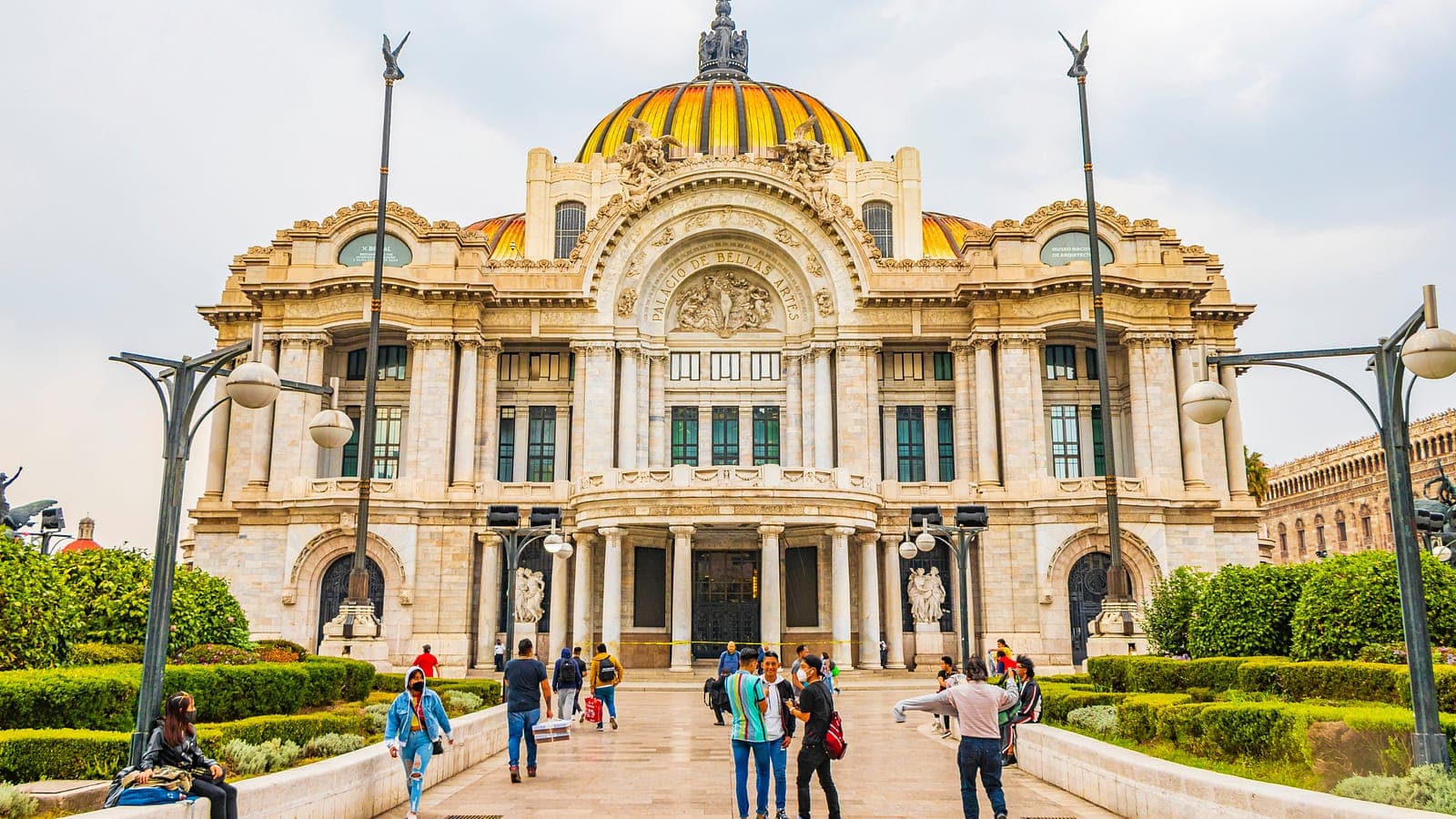
The listener question weighs living abroad as a tourist against getting residency, and this is Mexico's first residency step.

Americans in Mexico Are Happier With Their Healthcare. Here's Why
Holly paid $50 cash for a Mexican ER visit, ambulance included, and the couple pay for all their care out of pocket.

Want To Be a Digital Nomad? Here's How
Holly and Sean teach English online from their RV and use Starlink to stay connected in parks with poor internet.
Transcript
Transcript is auto-generated and lightly corrected; it may contain errors.
Read the full transcript(7,504 words)
English speakers are still a novelty here. And of course, I had two cats who basically destroyed their carriers on days one and three. There's a lot of discussion to make sure that we were aligned and that we were doing it for for similar reasons. What are the visa paths? Are you running towards something or are you running away from something? And then what?
I can't believe we're finally here. This is Americans Abroad. Welcome to this weeks episode of Americans Abroad where we're going to talk to Holly and Sean who lived the RV lifestyle and have traveled to. I don't even know if I can keep up with how many countries they said that they had been to. But it is a really unique way to do it. And we're going to talk to them and find out what it's like, how they get along, how they go to the doctor by living in an RV in multiple countries.
And they are not kids. They've been married 30 years, they said. Yeah, good on them. It on paper it sounds so challenging, but it worked so well for them. I'm, I'm kind of curious, like do you think that you could, you and Brett could pack up and travel around in an RV and and live in, I don't know how however many square feet or square meters that is, but it feels very tiny. Do you think you could do that?
OK. It's a great question. And Brett and I are really good travel companions and we get along incredibly well. When we first got together, we spent most of our time, I had a roommate and he and I spent most of our time in a tiny little room in the back of the house. But of course, you know, we were very much in love.
You know, that that first, that first love that you have. And so we couldn't get enough of each other. But when the pandemic hit, you know, we bought a little ranch house. And all of a sudden, we were both in that ranch house 24/7. And I thought I would lose my mind at first. I ended up renovating our back patio just to have more space. I was like, we had to have somewhere else to be. Now, that said, in Mexico we spend even more time together and I don't know why, but we get along better here. I mean, we get along, but we get
along better in Mexico, honestly. And I think it's probably because there are less outside pressures. What about you? Would you do it? Yeah, that makes sense. Yeah, in terms. Of the close. Quarters I think very much like you and Brett and and we'll hear from Holly and Sean like the living in very close quarters with my partner. I don't think is the issue.
If things get a tense. I need a break. He needs a break. We just you know, go outside and sit in nature and that would be fine for me. I am I'm an indoor kid always have been an indoor kid and I'll tell you a little story. I am, I am the daughter of Sylvia Ann Dominguez, and I take after her.
We went camping. I'm gonna put your quotes around camping. It was a Girl Scout Jamboree and it was my mom, myself and another Girl Scout. I think I must have been 8 years old. Something like that. We pull up to the the campground campsite and they have these, what I can only describe as wooden sheds with bunk beds. So it's not even pitching a tent and sleeping on the ground. There's there's shelter.
There's no electricity, no AC my mother walks in and goes, Oh no, we're not doing this and she gets us back in the car and we go stay at the motel 6 two miles down the road. We watch and or Domino's Pizza. So that is it is very true. Beverly Hills. So like, you know, we we didn't do camping nature, my dad a little bit, but I very much take after my mom. I can release some creature comforts. I don't, you know, have to have, you know, this luxury lifestyle or five star accommodations, but
I think roughing it at least it in my mind would get really old really fast. You know, I think of things of so where do I take my like, you know, we, we take our trash downstairs every day to where you drop off the public trash at the end of our building. Well, where do I take take our trash? How do toilets work?
What, what if there's no like, where do we plug in for a shower? I'm also not terribly handy, Dave, a little bit more so, but like, how do you even hook up this thing in A at a RV campsite? It feels so foreign and I'm willing to try hard things and try new things, but at some point I'm like, Nope, I think I've learned enough in my 47 years.
I think I've tried enough roughing it in my 47 years. That just feels just a little bit too far outside of my comfort zone. But I am so envious of the people who can do that. OK, I'm not going to turn down a five star hotel either, I'll tell you that. No. No. Gosh, yeah. You don't. It will be room service, yeah. Absolutely.
But sometimes I feel like Parker Posey, you know, in the White Lotus. I'm not meant at my age, I'm not meant to live an uncomfortable life. Like I like to have my my discomfort be mental. You know, I like to I like to challenge myself. I will say this, my mom really built a life for herself where she never had to do anything she didn't like.
And on the one hand, that's admirable, but on the other hand, it meant that she couldn't do anything that she didn't like. And sometimes you have to. And, and it it really, it really changed who she was because she stopped sort of trying hard things. And so I don't want to be like that. That said, I would prefer the hard things I do to be mentally challenging. Like, and this is going to sound real Pollyannish, but just let me say it.
I like to, you know, work on being extremely empathetic or, or understanding or taking criticism and being able to deal with it. Like I would prefer to deal with those kind of hardships, but I want a nice chair to sit in and on the blade if I can. And I'm like it, it, it structures our life. You know, I'm like, OK, our whole life is dependent on getting points because I want the points to give me the nice life.
Now, that said, I am incredibly envious of them and what all they've seen. You know, when they talk about monkeys overhead that you'll hear I am envious of the simple life. You know, they're living very put a Vita. And I wish that for myself. I struggle with being a workaholic and I don't know if I can give up that much. And that is something that I challenge myself to do. But the way I do it is, I think, OK, if we just could get to this next hurdle with Expatsi, then I'll relax if we just get to this next thing.
But, you know, the body keeps the score and so on. And before you know it, I'm gonna have to relax whether I want to or not. Yeah, yeah. You know, and I with our move, there are some things that we've had to change lifestyle and some of it. For what? Was planned like we don't have a car anymore with that means when we go to the grocery store, we have to think about, OK, well, how many heavy things can we get? How many bottles of water or cans of beans or can we stock up on on meat that's on sale?
Well, we have to try to back four or five blocks uphill in Portugal. So just some of those shifts that you have to make, you know, it isn't like I can pull up the curbside. They loaded in my car. I get back to the house and Dave unloads it for the from the car for me. So there are these little challenges that you have to that you have to take on when you're moving to a new country because things are just different than they are here in the US. One of the other challenges, I'm very much like you. I love I am a producer, capital
BP producers. What do I have to show for my day? What can I show you that I accomplished in this day? And so part of my challenge or making myself uncomfortable is going you know what, take that to our lunch break. You know what, go to that meet up because you're going to benefit from meeting new people or just, you know, sitting down and doing arts and crafts with somebody, something uniquely for yourself.
And so for someone like me, and I think very much you as well, those challenges don't have to be physical. The challenges don't have to be how do I connect to water? The challenges don't have to be, you know, how do I deal with a chemical toilet? Sometimes the challenges are just integrating into this lifestyle that we say that we want so desperately by moving abroad and really leaning into it, no matter how uncomfortable it makes us feel.
Yep. And I'll get right on that. Just right after this next business thing, I promise. This week on Americans Abroad, our guests are Holly and Sean Hirshberg, who have taken a very unique approach to living abroad. Holly and Sean, thanks so much for joining us. Oh, thank you. They're happy to be here. So start off. By telling us how you decided to leave the US and move abroad.
OK, well about I think it's about 9 years now. We decided to live in our RV because we really wanted to travel. So we found online jobs that could move with us and we lived in our RV. We were traveling all over the United States and having a really great time. When it became harder to get medical care in America because the laws were changing and doctors were leaving the state we lived in and things were getting way more expensive, we thought we would like to try another way. We've always wanted to travel to other countries. And I think this was when it
occurred to us that, hey, we can still do that. We don't have to fly there. We can just drive there, take our house. And it's always nice because if we don't like it, we can leave. We can leave that minute and our house goes with us. So that's pretty much where it started. So how? Long were you travelling in your RV in the US before you decided to leave the country? I think 7 years.
Sean, does that sound right to you? I felt like that like 7 years, yeah. It was so fun we had. Such a good time back and forth and back and forth in the in the United States, seeing just everything. Spending. We usually spend the winters in New Mexico where it was warm, and then the summers up north here.
My map will help us here up north where it was cooler and it was nice to kind of follow the weather so we weren't ever stuck in the very, very hot weather. Of course, now we're in Mexico, so. Exactly. So where are you? Do you have residency in the state? Where do you get your mail? OK. So we are from Texas, so we kept our residency there. We have a mailbox for our viewers. There's a service that provides mailboxes for our viewers, and that is also your street address. So we maintain Texas citizenship because we do travel on tourist visas.
We don't have residency in another country, so we are still residents of America. We are still American citizens. So we can do all the things that American citizens can do, like vote and travel freely, that kind of thing. But we get our mail forwarded from our mail forwarding service, and that's how we maintain our residency. We were fortunate to be in a state that it's easy to keep your residency as an RVR, so some people will have to stay a little bit longer to keep residency or establish residency somewhere in Texas. We already had it.
So for us, that was like the one thing that was easy peasy. How long do you stay in one place and and where all have you been outside of the US? OK. Well, we started in Canada. The first time we left, we went to Canada and in Canada we could stay for six months on a tourist visa. So we actually ended up there because we were in California. Where's my California?
California's over here. We're in California. It's kind of the closest place to go. So we thought we'll just zip up there. We were in Victoria and in Vancouver, so we stayed there for six months. We traveled all around the island over to Vancouver in one campsite or RV resort. We usually stay a couple weeks, you know, probably never less than three days unless we're really, really going.
But we prefer more to stay in a place, live like the locals, see how people live, eat the food they live, shopping the stores where they shop, and then move on. Now it's six months, Canada says, by visitors. So we went back down through the United States and down to Mexico. Mexico, we could stay six months on our tourist visa. Then we went into Belize, where you can stay 30 days and then you have to renew.
We can renew twice. So we stayed in Belize for 90 days, back up to Mexico, six months, back down to Guatemala. How long was Guatemala shown? Was that six months too I got? Six months, yeah, we did six months. And now we're doing six months back in Mexico and then we're going to go back down again to Honduras, El Salvador of Nicaragua. People who go there tell us it's wonderful. So we're really looking forward to that this time. So.
You've been all over. Tell us what has been your favorite place and maybe your least favorite place that you've been to. In terms of like cities, countries and camp flights, OK, so. Yeah. Your mileage may vary. This is your story, so so plug your favorite and and maybe a word of warning for for others, OK? All right, so our all time favorite place, I think I speak for both of us and Sean, feel free to jump in, but in America, we loved Oregon because it was cool.
The beaches are open to everybody, the food's fantastic and people are really friendly. Canada, Victoria, BC, really fun city. We did so many fun things there. Our favorite overall is Chateau Mexico. We went there, we meant to stay for two days and we're going to go to Merida, and we loved it so much. We didn't leave for six months till our visa was up and we left like the day before our visa was up because it was wonderful.
It was like paradise. It was perfect for us. Small town, very Mexican. It doesn't have a lot of people from other countries. It was maybe us and two other people who were from other countries and we loved it. It was great. Guatemala. We loved Antigua, of course, because I don't know if anybody's been to Antigua, but it's fantastic.
It's an old antique city where everything is just like it was long, long ago. And it's it's, it's really wonderful. Sean, what do you think? Oh, there's again, there are so many different places. Another spot in Guatemala that we unfortunately stayed at just a little bit was this crazy place near Florida is Guatemala. That's kind of in the northern part of Guatemala where it was an old school that somebody had made for the local children that then converted into a bunch of other little things where they do conventions and stuff like that.
But it was just this magical, beautiful jungle kind of place face with monkeys that were swinging over our heads, right. They're up in the trees and we go out and it's like, oh, there's something in the trees. It must be a squirrel. And then it's like it was a monkey over our heads, which was just so crazy. It was like, and so and then just just, I don't know, just beautiful, far away from everything kind of experience. It was just like anything you'd ever imagined of like, I don't know, being in the jungle, among the most beautiful kinds of places and the most delicious
food and all that kind of thing. That was just that one really stands out for me now that. Was wonderful. That was like Jurassic Park except without the horrible dinosaurs. But a lot of the things we stay usually at resorts, which are fancy with pools and restaurants, and they're just not very expensive when you're R ving maybe 10-15 dollars a night where if you went and were staying in a hotel, you might pay 102 hundred $300 nights.
When we RV, because we bring our own house, it's a lot less expensive. And everywhere we go, we have the most beautiful views in the world. You know, we can stay right on the beach, we can stay right on the mountain, we can stay right under the volcano. We're really fortunate to be able to have like every park.
I always tell Sean, I have never seen any place more beautiful than this. And then we go to the next park and I think I have never seen any place more beautiful than this. And then the next it's just we see so many wonderful things. And like I said, if we don't like it, we just hop on out of there.
There have been some cities that have not had as much excitement as we wanted them to have, you know, like where like I will say, Nanaimo, Sean, Nanaimo, Canada, we went at the wrong time of year for that one. It, it looked like a really cool city. I think we would have liked it if we had gone at a different time of year, but we went when it was very cold and so that was we had.
Winter, so we're with the, we're with the exact opposite of tourist season. So like everything you go to and be like. Anyway, in the. Summer and it was like, OK, well, we're here at the wrong time. But in terms of in terms of being places where then it was also quiet and relaxing that side of it. If anybody wants to go to BC in the winter, it's nice. You have a lot of stuff just kind of to yourself or things are just not crowded anywhere you go. So go try that.
So no, no hate on Nanaimo. Our problem user error for that one I. Really like Chachumal too. We've spent some time there as well, dealing with paperwork where we have to cross the border into Belize. And it is a charming little city that I don't know that anyone knows about except, you know, there are those Mennonite communities down there I don't know if you ever came across in Belize. Or Mexico in.
Belize and in Chachumal or just in Bakalar? Did you go to Bakalar We. Did. We did. But we couldn't see the pirate. Well, you know, they have a pirate there at their museum. I do. Not know about the pirate, I just think about the lagoon. Oh, the lagoon's beautiful. Well, I liked if it's if it's a tourist attraction, that's weird. I want it right.
Like, so they have the bones of a pirate in their museum. So of course I had to go see it, but the window was foggy and so I couldn't see it. But next time you go, next time you go, go in that big Fort, OK? Yeah, that's what it is, heard. Heard next time I will go looking for phones and I.
Can cost 2 bucks to get it or something. It's cheap. OK. What, what is involved with importing your car, taking it to all of these different places? I've done a little of this myself, but not to that extent, Sean. Handles that for us. Sean, take it home. It's it's really not too bad. It's really not too bad.
It. So it varies of course, country by country and it so Mexico, if you have an RV, you go in and they give you what's called ATIP temporary import permit. Your RV, they'll give you 10 years on your permit, which is really fantastic. It means that for 10 years you don't have to go through the process again.
If you're doing a car, it's six months. So but to do either of them, it's the same thing. You have to go in with the current registration that shows that this is your vehicle and you pay, you pay in Mexico. I guess just say you pay a fee for going in and then you pay like a big deposit that can be a couple $100 U.S. dollars to import the vehicle and then you get that back when you leave.
They're just mostly trying to make sure you don't bring in a junker and just leave it in the country and then split. So that's a deterrent from doing that. But it is just, it's mostly just some paperwork and mostly just they're looking at your form and they scrutinize that and they go out and they look at your vehicle and they take pictures of the van and, and kind of inspect it a little bit, I think to make sure like does it run kind of thing?
But then you'll get your TIP. So you have this, this certificate that says, yes, you can be in the country. So in Mexico, you are supposed to have vehicle insurance, but they don't ever check. So they don't, you should have it for for safety sake, but they don't check at the border. It's just checking registration or yeah, it's mostly just your registration that they're looking for.
Belize. Then it is kind of the same thing. You go in and you get an import permit. You pay a little fee and by little fee it's like like 40 bucks US like so it's nothing too crazy. Belize was pretty easy, but you pay a fee. That. Process in Belize is just long because the the whole process is just slow where they're writing stuff down and then they go to a computer and go, and then they write it again and then they go to the computer and then they eat some lunch and then they and
it's just like this process where you have to just kind of stand there and be like. They're. Going without, you know, because it's just going to take as long as it takes. Like Belize, the process is like 45 minutes of you standing there. Well, it happens. Guatemala was faster and they it's the same thing. You go and you have your registration, they look at that, they go out, they take pictures of your car, they look at the bin and you pay the little fee for that, which again was maybe that was like $30.00 for Guatemala. Differences in time then and
Mexico you get 6 months on your car and ten years on the motor home. Belize and Guatemala, it's just the same for both. You get Belize, you get a month when you first go in Guatemala, you get 90 days. And so and that'll be for us like the car and the motor home in Belize you can go renew twice for your vehicle permit.
And that is just, you have to drive to the, to the city where they handle that kind of thing. And they look at your paperwork and do this a lot. And, and then they write it in this like in this like journal, which you look at and you think no one's ever looking at that again in the history of humanity. But they write it down, they and they say, OK, And all they do is then on your import little form, they just write an initial and a date.
And so it's just like you don't pay anything more. It's just like here you go in Guatemala after the 90 days, we have to go either to the border or to Guatemala City and go talk to the tax authority there. And you, you pay a, a small, small fee for it just to extend it another 90 days.
And so I will say. It's not hard, it's a process. It's just a. Process. It's a process. It just takes, like Sean said, however long it takes. That's how long it takes. And you just stand there and thanks. There you go. With the flow. Yeah, and it's, but it's not complex. None of the traveling we do is complex.
It's not a ton of paperwork. It's not hard. It's just a process. And it will. It will be a process that goes wrong for you all the time and then you just go with. It I will say with that there are people called fixers at the border that you'll see some things where people are like, no, no, no, don't ever use a fixer. They're just there to scam you.
Our experience, I mean, and not that that maybe doesn't happen, but our experience has been, we've been fortunate that the person who's at the border who isn't necessarily like an employee of the tax authority there, they've been very nice and have been very useful and typically speak English. And so they go through and they say you go over here, you need this for them. Let me walk you across the street to make they translate. They'll help you translate if you don't understand something. They'll translate and you tip them 20 bucks USD. It's cheap, but they'll walk you
everywhere and they'll translate and they'll help you solve problems. Worth it? Every time we've used one it's been worth it. It's been so helpful because our Spanish isn't great. I mean I will say personally my Spanish is awful. Sean's is better but this is Spanish you don't learn in Spanish class. Crossing the border isn't really Spanish and Spanish class material, so they never taught.
You how to import a vehicle. In the right, the discotheque, right? Go to the discotheque. Where's the library? So. I'm terribly curious about what day-to-day life is like living in an RV. How do you manage the stresses of being in such close quarters all the time? Also, do you all have pets that you travel with or is it just the two of you? OK, so Sean and I have been married almost 30 years and we are together all the time, all the time. We're always together.
Even before we lived in an RV, we were always together. We go everywhere together. We do everything together. So being in close quarters isn't a problem for us. You know, if one if one goes to take the dog somewhere, we both go if one goes to the grocery store, we both go. We just enjoy each other's company.
So that's not hard for us. I think if you get on your partners or travel partners nerves is you're going to have some moments, you know, maybe you could step outside, get a little space, find some things to do for that us that hasn't been a problem our daily life. We wake up, we work and then we have the whole rest of the day to do what we want.
Some we typically do maybe one day of doing something, one day of laying around and then one day of then that just goes wherever. We don't typically do exciting things every day, but we try to go out and see a new restaurant, see a new neighborhood, a new store, maybe every other day. It's very calm. We don't have a house upkeep.
We do work on the RV, but that's usually pretty quick. It's just mostly like having a vacation all the time, but you never have to rush. It's we have the whole day to just sit. We don't have any meetings. We don't have any responsibilities outside of this RV outside of our job hours. So we hang out. And my whole goal in life, I know I've touched about this is my goal in life is to sit. I want to sit and read my books.
That's what I want to do and I have tons of time to do that. So I'm meeting my goal. But if we want to go to the beach, whatever, and then we go to bed early because we work in the middle of the night. We do have a dog. We got a dog in Mexico, a street dog, and his name is Victoria, and he's very cool. And it just like, I guess having a dog regularly. Fortunately in many of these countries you can take your dog with you places into stores, into restaurants and it's not a big deal.
The concern about having pets and an RV is that in some countries, more developing countries or in just campsites in general, the power goes out pretty frequently. So we don't want to leave him in the RV unattended in case the power goes out because it does get hot like a car. So Victoria goes with us when we go places and then we he really likes to go to daycare. He loves.
That he loves to play with his friends. So we try to go to cities where there's a daycare or find a pet sitter who's responsible. One, because if something happens to us, I want to know there's someone local who can get him and save him. And two, because then if we want to go to the store where a dog can't go or go to the doctor or whatever, he can go to daycare. He's not inconvenienced and we can, I don't know, go to a tourist attraction.
So that's how we handle that. Our days, there's not a lot going on. You know, what goes on is what we want to happen and that's what we were hoping for, kind of a retirement lifestyle. We're still working, but we can work less because living like this isn't very expensive. Or if we're paying $1015.00 a night, we typically stay in places a long time. So it doesn't use a lot of gas.
We cook at home or well, in Mexico we don't cook at home. I guess in Mexico we always get delivery because Jen, you know, it's very inexpensive to have, you know, dinner's like $2.00 American. Then they bring it to your house so it's easier. It's cheaper and easier to just buy it. So it's not very expensive. And we're just, I feel like we're living a higher quality life than we lived when we lived in a house, working less hours.
We have more disposable income. We have time. Holly, what do you do for work? We teach internationally, we teach English online. Do you have Starlink? We have Starlink, yeah, we have satellite. We do have some backup on our phones, but Starlink works really well and we don't usually need that. Some of the parks now are starting to get Starlink and that's very helpful. So to have a little backup, because with our jobs you can't have technical problems like that is a that is was the hardest thing about this job is if you end up in a park with no Internet or spotty Internet and
Starlink really cleared that up for us, you know, that's not a problem for us anymore. So now we can pretty much go anywhere. As long as there aren't a ton of really high trees all around us, we can get a good view of the sky. You mentioned healthcare a couple of times when you are traveling around. How do you get healthcare and how do you find doctors?
OK, so we don't have insurance, but we are in countries where Healthcare is inexpensive, so we pay out of pocket. In Mexico, the the pharmacies have doctors usually and we just go see the doctor there and I just have quality medical care. We have never had bad medical care. One time I think I was in the I had to go to the hospital to the ER because I have heart problems occasionally.
And yeah, it was $50.00 with an ambulance ride. It was so inexpensive we could just pay it. I spent all afternoon. I got tests. I had a couple of doctors. I took an ambulance and it was $50.00 cash USD. Sean went to there's a little doctor where in Belize we just, you just drive by. There's a doctor saying usually you just walk in.
It's not like America where you have to fill out all the forms. You make an appointment, they'll see you in three months. It's really like you going to the pharmacy and say, hey, you know, I have a fever and they say go see the doctor and then you're back in 10 minutes getting your prescription filled. So for us, that's worked great.
Holly and Sean, is there anything that you miss about the United States, HEB? 100% HEB, the grocery store for all of our holly and I. I think we we did have a a bonding moment about the greatest grocery store. In the world. HEB getting a combo loca once a week? Absolutely, yeah. OK, so HEB grocery store where you can just get anything you want and it's not very expensive.
I do miss that the grocery stores in other countries and well, not Canada, Canada's expensive, but Mexico and Guatemala aren't very expensive. Believes it's a little harder because everything is important and expensive. So we can't get like the variety we could get in America. But that's OK because we don't usually cook, you know, usually someone will just bring dinner. So it doesn't matter.
One thing I miss, and I miss it a lot and I think about it every time something happens. I miss American holidays. I miss the over the top decorations, the singing, the Santa hats, the Halloween decor. I love that. I miss that. We don't have that in any of the countries that we've been in. You know, Halloween is way more sedate. Christmas is way more sedate.
Everything. I like that. I want it to be flashy. So that's, I think that's the one thing. What about you, Sean? Just some of the American food. We were talking about this with somebody the other day and it was like, I really miss things like biscuits and gravy or just almonds to be fine. Can't find almond butter. I can't like you can't really find good bagels or something like that.
I mean, things that are just, I don't know, like it's nothing crazy, but just like like little things like that where it's like, oh, I would really like biscuits and gravy for breakfast today. And I, I could, I could make it like it's, it's like, you know, just trying to, it's not quite the same and like you can't quite get the right sausage and things like that. So it just isn't.
Yeah, but. But compared to everything else, that's minimal. Right. Yeah. Compared to working less, compared to no stress, compared to the slower, more peaceful lifestyle, being around happy people. You know, in America when we left and I haven't been back in a couple years, people were really upset all the time. It was really hard and everybody was struggling.
And in other countries it's it's a different vibe, even if, you know, people are still struggling, of course, but it's it's a different, it's a different vibe. It's happier, yeah, I think. Well, Holly and Sean, thank you so much for joining us. For our listeners, if you are curious about what it's like living an RV lifestyle, you can actually meet with hollyandsean@expatsygo.com/experts and we'll have their link down in the show notes.
Again, Holly and Sean, thank you so much for joining us on Americans Abroad. Thank you. For Thank you. It was nice to. Talk to you. Jen, do you know what time it is? Yes, and and and I know what time it is. And I have a new Jingle, completely original. Let's go. We. Got to get out of this place.
If it's the last thing we ever do, we got to get out of this place. Girl, there's a better life for me, AUU. It's time for listener questions. We just finished hearing from Holly and Sean, who live in an RV. And so we had somebody write in asking about going maybe a little bit nomad and they asked specifically what are some of the pros and cons to doing this as a tourist as opposed to getting residency in one country.
What are your thoughts on that, Jen? Well, you know, originally when people said nomad, digital nomad, that's just what it meant. It just meant being a Taurus and going and working in different places. And a lot of people still do that, especially, you know, I think of it as kind of a young man's game. But Sean and Holly are full grown and but they have it down to a science, too.
They are, yeah, brilliant at this. They are not flying by the seat of their pants by any means. But in general, you can go as a tourist for six months to Mexico, Costa Rica, Canada, UK. You can do the Schengen zone for three months, which is, you know, that collection of 20. So someone said Shenzhen and that that was the first time I realized that. I don't know if I say it right.
Anyway, Schengen or Shenzhen, not a clue. So anyway, you can stay in it three months. It's a collection of 27 European countries and so on. You, there are different rules in different places. Sometimes you can go to a place and renew it for another period of time and so on. The, the positives of going as a tourist is that, I mean, it's just avoiding a huge amount of bureaucracy and paperwork. And often times that paperwork includes how much money do you have.
And so if you don't have a lot of money or if you don't have good history of having a lot of money, you know, maybe you have you're starting up your business and you're going to build it up. But today you're just living on savings and you don't have any income. It allows you to just pick up and go. The other big benefit to it to me is, you know, we have these six stages of moving abroad and it allows you to have this long extended stage 3 exploration piece. So you know, if Holly and Sean
drive around and visit, I don't know how many countries you can drive to, how where the Darien Gap is. Let's say it's 8. Yeah, let's say it's eight they can drive to and they visit all these cities. Then in 51015 years they're going to know exactly what their favorites are. You know, we talked to them a little bit about that. And so if at some point they say, you know what, we're ready to hang up our spurs and buy a house and get goats and chickens, well, they already know they really like chuchumal. That's not something that is
easy to find out, but they found out because they've been spent all this time explored. The downside is you just are not guaranteed access to that country when you're a tourist. You have, you know, limited rights. If something happens, if they close borders or they say everybody's got to go, then you got to go. Now for somebody like Holly and Sean, it's no, no big deal because they'll just drive to the next country.
But, for example, Turkey in particular kicks out people a lot. And I don't think it's just Taurus. I think it's people on temporary residency and stuff like that, too. Yeah, but you have no say. You know, if they say you got to go, then you got to go. And so it really just depends on you and your goals. I talked to a lot of retirees who are uncertain but have no ties, no pets, you know, no school kids. And So what we do is we craft them a two year exploration tour where they spend a month in
France and a month in Spain and a month in Portugal. And then they head over to Central America and spend a month in Panama on a month in Costa Rica. And at the end of two years of doing that, they really know where they would like to stay. And so I do think you can get a lot of info. Nation out of it, but that's different of course from then from saying it's going to be your forever lifestyle. I think that's probably a rare breed that can make that work. But what a lie.
You have fascinating stories and seeing different things all the time and and meeting new people and I think it has to be a very rich life. Yeah, it gives you a lot of flexibility. You know, we hear a lot from from time to time from our audience. What if I picked the wrong country? And so when we can come back and go, well, what if you didn't have to pick? And it just it gets rid of that blocker of if I don't like it, I could stay a week, two weeks.
I don't have to commit to a full 90 days, 180 days. I don't have a year long lease that I have to satisfy or, you know, I'm, I'm spending from throwing good money at bad. But having that flexibility to not have to choose, I think is a is a really great option for a lot of folks who are looking for something new but aren't quite sure what they're looking for yet. Sometimes they call it slow travel or slow matting. I will tell you that if and when Brett and I retire, I would love to do it.
I would love to do it for a couple of years and spend time so that it isn't, you know, you fly to New Zealand and then you fly back and then you fly to Singapore and then you fly back. Like, I really want to see the world. And it just makes more sense to me to go from one place to the next. Now, I decided that before I just found a brand new kitten in a parking deck.
So that does have some effect. So hopefully she'll be a good traveler one day. Yeah. Well, Jen. Thank you so much for talking about doing this as a tourist versus getting residency. I think it's a great option for a lot of folks. And again, Holly and Sean are perfect examples of who this is right for. If you have questions you'd like us to answer here on the podcast, e-mail your questions to podcast at expatsi.com. Americans Abroad is an Expatsi production. Please like, share, subscribe and leave a review. Are you thinking about moving abroad? Start with our quiz at expatsi.com. That's expatsi.com.
Not sure where you’d go?
Take the free Expatsi test to see which countries fit you, then come back and listen to the episodes about them.