
Episode 9 · May 12, 2026 · 43:55
"You Have To Be OK Embarrassing Yourself!" Cultural Adaptation and Life in Merida
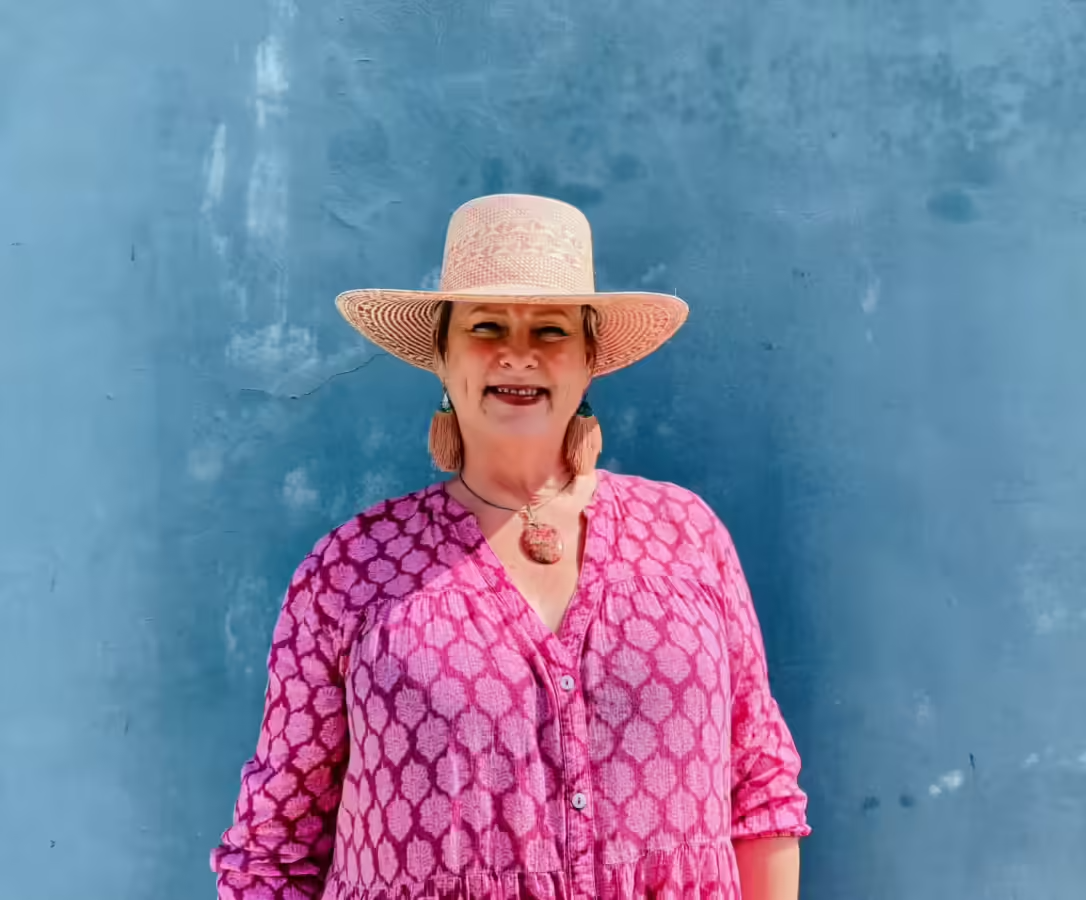
Merida ambassador Amy Jones on adapting to local manners in Mexico and what life in Merida actually costs.
Listen on Spotify →Featured in this episode
In this episode
Jen Barnett and Stephanie talk about cultural adaptation, and about being OK with embarrassing yourself while you learn. Jen gets glared at for dashing onto an elevator. Stephanie mangles her Portuguese. Then Amy Jones, the Merida ambassador for Expatsi, explains how she ended up in Merida, Mexico, and what newcomers there get wrong.
Amy covers the heat, safety, local greetings and a two-stage budget for new arrivals. She also explains why so many expats leave. It ends with a listener question about buying property in Merida. Jen's answer: network, meet people in person and don't send money to people you don't know.
Key takeaways
- Only 4% of Mexican nationals speak English, and they're mostly on the coasts. In Merida, open in Spanish, then ask whether the person speaks English.
- Don't get straight to the point. Say buenos días first, then ask how the person and their family are doing. Skipping that is considered extremely rude.
- Budget $2,500 to $3,500 US for two people when you first arrive. That covers rent, electricity, transportation and entertainment. Once you're settled, living more like a local can shave $1,000 or more off that.
- From April to the end of September, Merida feels like being under the broiler. You can get heat exhaustion without realizing it.
- Merida's culture forces you to slow down. Don't stop in the middle of a passageway, and ask for the bill at restaurants, because nobody brings it automatically.
- About 60% of expats who move to Merida leave within two to three years.
- Be wary of Facebook group recommendations, because shills can flood a thread. Pre-sale properties sometimes never get finished, and buyers lose money.
- Amy rented a bare-bones casita for two months and lasted 7 days. It took her about five years to really live like a local.
Chapters
Show notes
This week's episode is all about cultural adaptation. Amy Jones is the Merida Ambassador. We discuss Amy's life in Merida, Mexico, getting used to different cultural customs, and how learning a language sometimes leads to a big misstep when trying to say the word "bread!"
To begin your journey abroad take our FREE quiz!
This episode is general information, not legal, tax or financial advice. Talk to a professional about your own situation.
Questions from this episode
How hot is Merida?
Hotter than the numbers suggest. Merida is close to the Tropic of Cancer. From April to the end of September it feels like being under the broiler, even when the temperature and humidity match places like Miami or New Orleans. You can get heat exhaustion without knowing it, so be careful.
How do I vet a realtor or landlord in Mexico?
Network, and meet people in person. These industries aren't regulated the same way, and scams happen. Pre-sale properties sometimes never get finished. Facebook groups are an option, but shills can pile into a thread to recommend someone. Use someone who comes recommended, and ask several people how the process works so you can spot an outlier. Don't send large sums to people you don't know.
Do people in Merida speak English?
Mostly not. Only 4% of Mexican nationals speak English, and they're found mostly on the coasts. Merida's main tourists are Mexican nationals, and a large population there speaks Mayan rather than Spanish. Start in Spanish, then ask whether the person speaks English.
How much should two people budget to live in Merida?
Plan on $2,500 to $3,500 US when you first arrive. That covers rent, electricity, transportation, entertainment and everything else a new expat wants or needs, in a house with air conditioning and hot water. Once you're comfortable, you can shave $1,000 US or more off that by living more like a local. That means shopping at local markets and running the AC only in the room you're in. Getting there can take years.
Go deeper
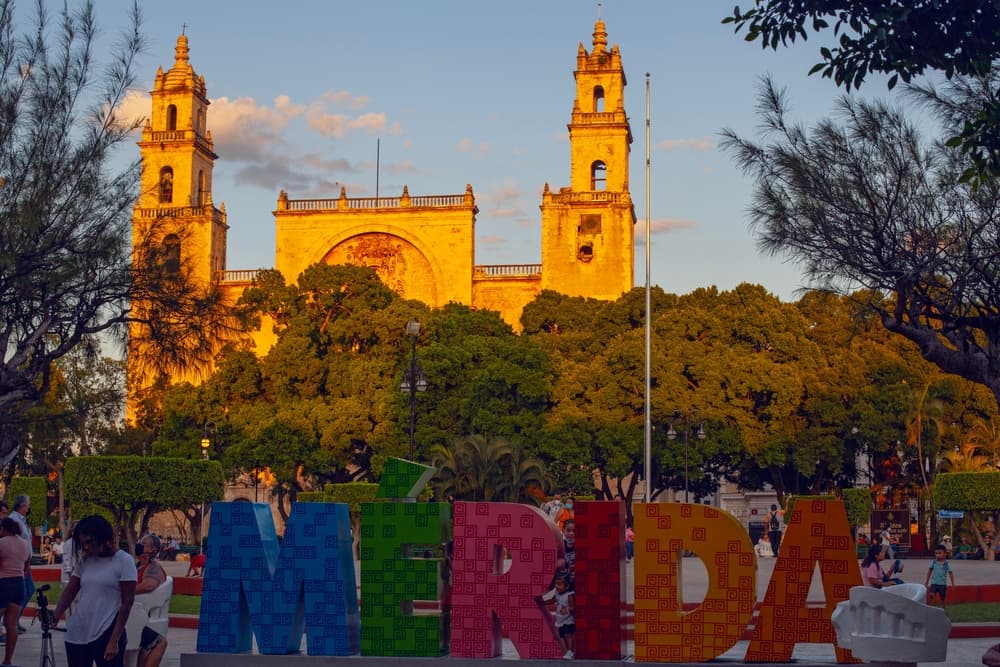
Living in Mérida: Cost, Safety, Retiring
Amy Jones has lived in Merida since 2019 and covers its heat, safety and monthly costs in this episode.
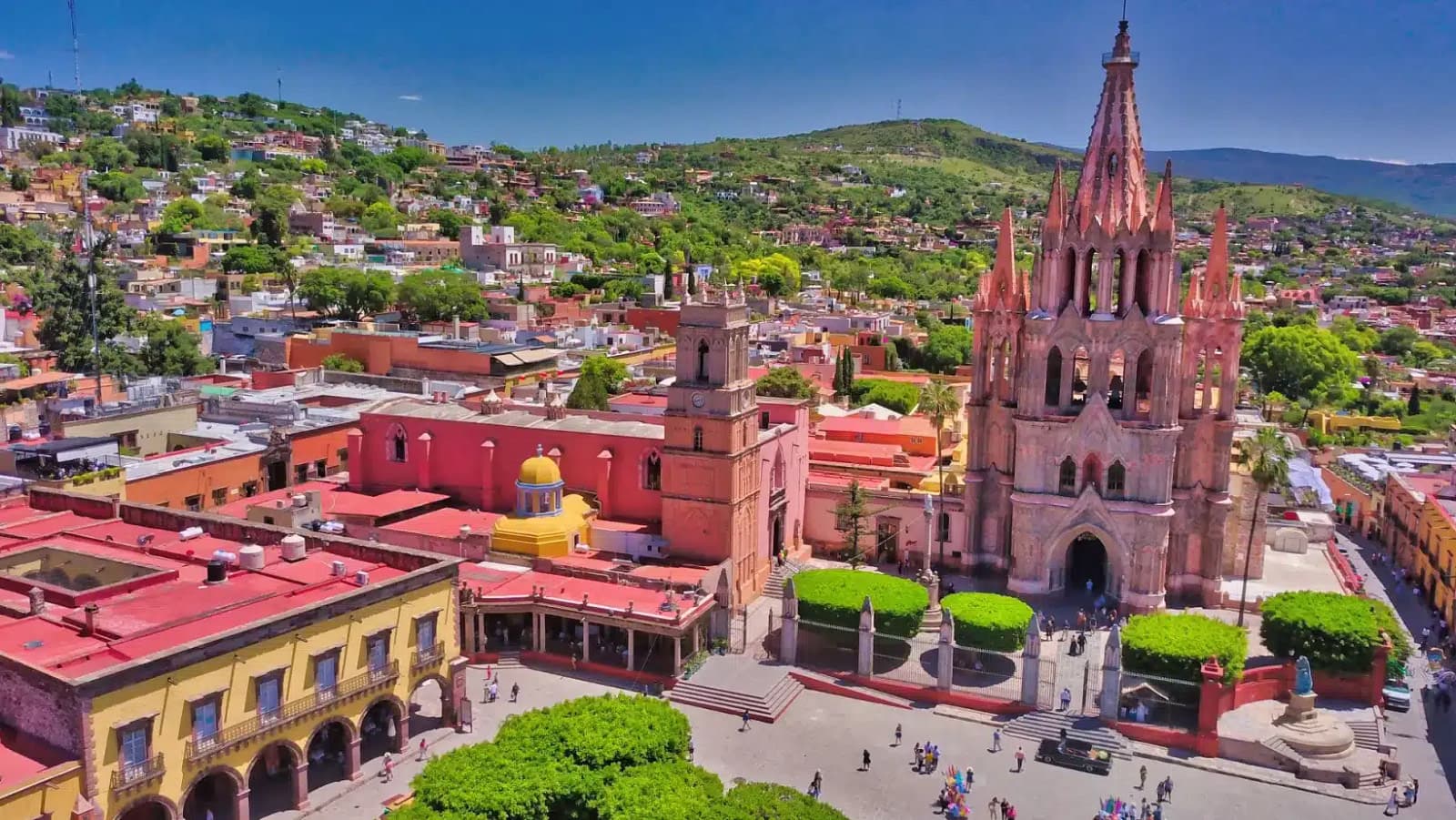
So you want to move to Mexico
Jen and Amy both live in Mexico, and this episode is about adapting to daily life there.
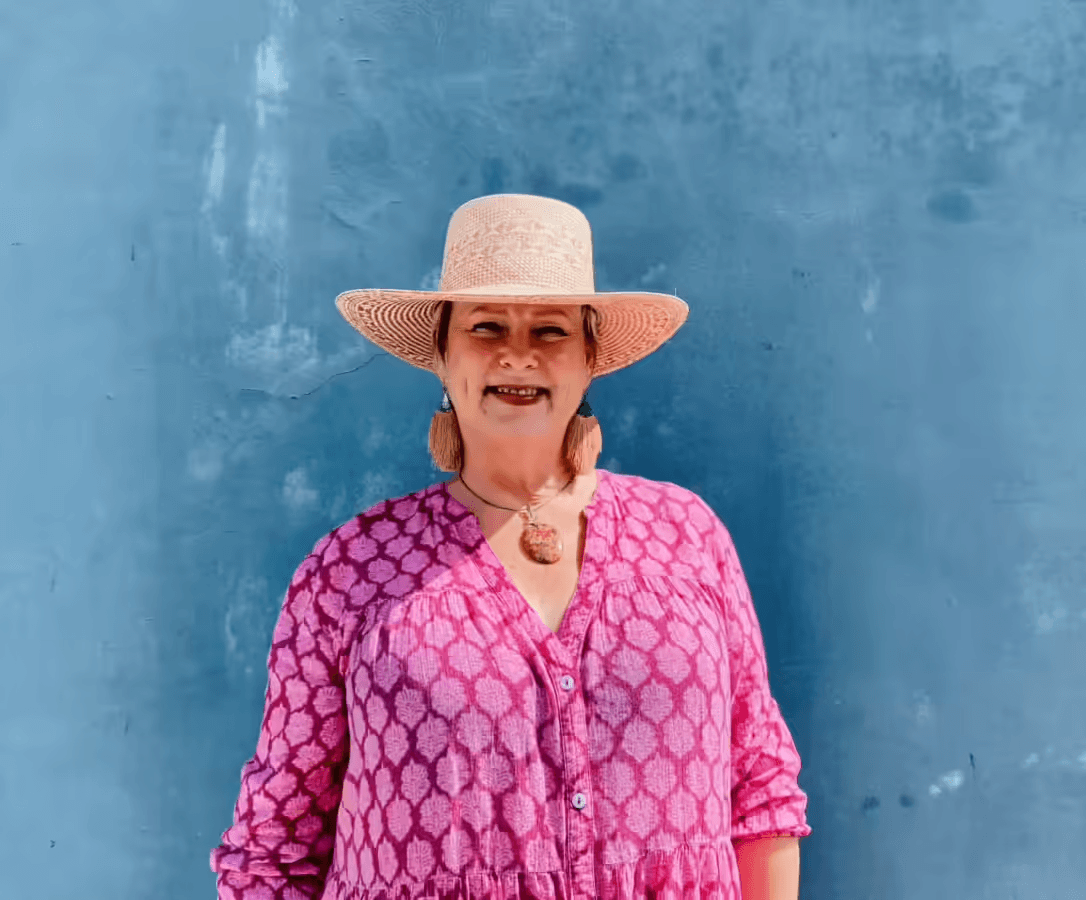
Life in Merida
Life in Merida, the Merida relocation partner linked in this episode's show notes.

Guide to Renting, Buying, or Building a Home in Mexico
A listener asked about buying property in Merida, and Jen warned against relying on Facebook group recommendations.

How to Learn Spanish Before You Move to LATAM
Only 4% of Mexicans speak English, so Amy says to start every conversation in Spanish.

How to Deal with Relocation Culture Shock
Jen and Stephanie share their own cultural blunders, and Amy says about 60% of Merida expats leave within three years.
Transcript
Transcript is auto-generated and lightly corrected; it may contain errors.
Read the full transcript(7,194 words)
English speakers are still a novelty here. And of course, I had two cats who basically destroyed their carriers on days one and three. There was a lot of discussion to make sure that we were aligned and that we were doing it for for similar. Reasons. What are the visa paths? Are you running towards something or are you running away from something?
And then what? I can't believe we're finally here. This is Americans Abroad. Welcome to this weeks episode of Americans Abroad. Today we are joined by Amy Jones, our expert in Merida and talking a little bit about a cultural adaptation. So Amy is talking about all the things you need to know to like, get along in Mexico. And it made me realize something that I did wrong this week that has just been weighing on me.
And I couldn't necessarily put it together. But it just occurred to me while I was talking to her that I've actually made them this mistake twice. And now that I've connected those two dots, I think I know what I did wrong. So, OK, on a couple days a week, Brett and I go to the gym and then after that we go to Pilates. And Pilates is in a, they're in two separate malls that are next door.
They're not that far apart. But of course, we're always sprinting to Pilates because we get out of here late because we don't want to, right? We don't want to go do cardio and then go to Pilates. So we have to drag ourselves and then we love it and we're happy to have done it. But so and then it's also like there are a couple little things we have to do because I need to refill my water.
And then in at the gym we wear sneakers. But at Pilates we wear socks with grippies, but we can't wear the socks with grippies inside the sneakers. So, you know, just a little change over thing. Yeah, so we were dashing over and there was, there's a, it's a super fancy mall and there was an elevator that two women were on. And I dashed over to catch it.
And when we got on, I smiled at the ladies and people. There were two, like I said, 2 ladies on. And people in Mexico were typically incredibly smiley and happy and you talk to each other and it's really common. And so I always do. And they were like, first of all, I noticed they did not hold the door for us at all or make any attempt like, you know, you would normally do, like in the US, like, I think it's expected that you at least have to pretend like you were rushed. Of acknowledgement, yeah.
Yeah, like, like even if you don't, but they just like glared. And then Brett, because he is, I mean, talk about cannot read the room. He sees someone like way out and he goes to hold the door for them. And I was like, and I was and he was like, what? I was like, they got to get to work. And so later I told him I was like, listen, they don't want us on the elevator.
They definitely didn't want whoever you were. But Brett, like that's how Brett. Yeah, he he is super chivalrous, conscientious to a fault. So. But I remembered that on Valentine's Day, we were at the mall and there was another elevator. And I don't feel like we necessarily kept them, but we also dashed onto that elevator and they glared at me. And now I am realizing that you're not supposed to do that. And it had just never occurred to me in my life. But that seems to be a real sticking point because almost the only two times anyone has
not been super friendly with me are those two times that I dashed onto the elevator. So I think I have learned a lesson which is wait for the next one. Yeah, that if you know, you know, when you when you get there in a normal pace, that's, that's the pace that you are on. That is the that is the timeline that you have subscribed to is whatever happens when your normal walking pace.
I think, you know, when you're adapting to something new and especially a new culture, you have to just be OK embarrassing yourself a little bit in order to, to get it right. For me, for me, it's been language that that, you know, that's my big thing is like, can I, can I interject a new, a new phrase? Can I add an extra word that I wasn't using last week? I'll tell you a story.
I, you know, I'm used to my, you know, Hola fondia, Bothar, the but, but no, you know. Hello. Good morning. Good evening. But I couldn't figure out how to maneuver out of a conversation because it felt weird to say, you know, good morning and then leave and go. Good morning. It's like I Yeah, you know, I guess I could say like, you know, some sort of goodbye, but it it I wanted to be like, because I'm used to, you know, America.
Hi, you know. Hello. How's your day going? Good. Cool. Have a good day. So I was like. How do I say have a good day in Portuguese? Because that's how you start. That's, that's how I that's how I start or have, you know, have a good what something along the lines. I wanted something more than just another bum dia after my bum day out right? So I was like, OK, Google Translate, don't fail me now. And so I looked it up on Google Translate and I, I learned how to say have a good day.
But girl, Portuguese pronunciation is going to be the death of me. Even when somebody corrects me on pronunciation, I'm like I don't hear the difference between the two words. So you. Will. I will get there. So this day that I was like, have a good day, great. Today's going to be my have a good day and I'm going to go to the grocery store. I'm going to go here and I'm going to tell everybody to have a good day.
And So what I ended up saying, not because of the words were wrong, but because my pronunciation of the words were wrong, wasn't have a good day. It was I'm having a good day. I'm having a good day. And I'm sure these people were like, lady, we don't really care, but good for you. And when I came back and realized what I was actually saying, like my soul left my body.
I'm like, I can't go to the grocery store ever again in my life. And it'd be in front of that checker because this is the lady who just wants me to know that she's having a good day. This weird American girl, but you know, it's OK to get it wrong because if you, if you don't get it wrong, you know, you're, you're never going to get it right if you don't put yourself out there and at least make an attempt. And, you know, and thankfully everyone has been either humoring me or at least somewhat delighted in my attempts for, for Portuguese, you know, in my
attempts of, you know, navigating and adding in these new phrases and stuff. But at some point you just have to be OK getting it wrong once in a while and you know it. It does get better the more that you practice or the more that you learn these cultural norms. What's Portuguese? First, smell you later. Deuces what is Portuguese for for for deuces, I'm sure yeah, it's and that's the other thing like cultural slang is something that oh.
God, are you getting in Mexico? Oh, I can, I can only imagine because the number of like living in South Texas and just like Tex Mex, you know, South Texas Mexican border town, Mexican slang. So different than learning Spanish on Duolingo. Like they don't have all the way on Duolingo. So just learning even just the you know, the mannerisms and you know, the, the little nuances can be, can be challenging and a little bit stressful, but I'm, I'm trying to just let myself have fun with the embarrassments of. Adapting.
No, I'm proud of you. I'm proud of you. You know, when we interview Amy, I talk about the fact that I'm cooking sweet potatoes, which are called quemothes here. There are a couple of different words depending on where you are, but they're called quemothes. And I was talking to the women at the nail salon and they were teasing me about Thanksgiving, you know, back before Thanksgiving. And was I going to eat Pavo because which means Turkey, because the whole freaking world knows about Thanksgiving. And I was like, yeah, and come up days. And they thought that was the
funniest thing. I guess it is slang I can't even figure out. I think it's because it means like sort of nuts or silly. But they thought it was so funny and they would not tell me why. And I don't know if it's a slur, the idea, but now I'm like, I am very hesitant to talk about sweep a day. Yeah, depending on who, depending on the day may mean something very different.
The the other Portuguese word that I every time I say it, I am so hyper aware, is the word for bread. The word for bread in Portuguese is BA. It's a very nasally sound. And if we come back talking about Portuguese pronunciation, if you drop the nasally, call it BA, it is something inappropriate. It is the the eggplant emoji. So you could ask a little Portuguese lady lady for pow and get a lovely big treat or pow and she's going to fade right on the spot.
So yeah, again, let yourself be embarrassed. It's totally OK ask. For for, yeah, one day at a time, poco poco. OK, so we're so excited today because Amy Jones is here. She is the Merida ambassador, and she had a huge influence on my decision to move to Merida. So we are so excited to have her today. Amy. How did you decide to move abroad? Well, I fell in love with Mexico on a spring break trip. You know, so many come to spring break in Mexico, Puerto Vallarta actually, and I just couldn't get it out of my system. So I felt like eventually I
would end up in Mexico because it just really, really pulled on my heartstrings. That's so cool to have traveled abroad. Were you in high school or in college? I was in college, so I was in in my final year of college. You know, it's that time of life where you're like, what do I do? What direction do I go into?
So I visited Puerto Vallarta and then I was going to London for an internship after that. So I was like, OK, you know, I've got some cool opportunities. And even though Mexico wasn't was on the radar to visit, it wasn't on the radar for living at that point in time. So you mentioned that you'd visited Puerto Vallarta.
So what drew you to Merida? So I Fast forward about 15 years after my first trip, I had the opportunity to work in Riviera Maya for a real estate developer. I was with re/max International at the time and during my time in Riviera Maya, people would say, have you visited Merida and their face would like light up like it was Christmas like Merida. It was this magical like place you have to go. And we were so busy at that time that I never got an opportunity to visit.
But that's I was introduced to Merida by the locals at that time. That was in 2006, 2007. When you went to visit Merida, what was that thing that really drew you in and made you say, okay, I could potentially live here? So this, this is so weird. And I think Jen can identify with this people when people visit and I have chills like talking about it right now.
And I still feel this way. So when I came literally on my third day here, I was like, Oh my gosh, what is this feeling I'm feeling for this place? It is absolutely incredible. And I went and stood in Santa Lucia Park, which is one of the very popular parks here under these two humongous trees. And I close my eyes and I felt like my feet were growing roots.
And my intuition said, you have to move, move as quick as you can. I was on this kind of two year scouting trip journey, Mehdi. That was my first stop. But my intuition was like started shouting at me there. It's like, are you not listening to me? You need to move as soon as possible. So that's kind of it in a nutshell.
I just feel it and people come to Merida and they feel it or they don't. It's just that simple and it's really indescribable. Well, you fell in love with the city, but you also fell in love here, so will you tell us about that? Oh my gosh, my cute little waiter. So for I was I was a sworn single. I, you know, have been married.
I have two kids that were fully grown and my my very good friend that's a therapist. I said you're a really bad guy picker. You probably just need to stay single for the rest of your life. So I was just a sworn Bachelorette when I arrived, but the universe put this really cute waiter in front of me four days after I arrived and now we're married.
So yeah, I, I fell in love with a guy that checked all the boxes of I do not want. But I let the universe just kind of guide me and, you know, literally he, he's all the deal Breakers. We're a great match. So that that that is giving up the control, which is what I've had to do while I'm here. Just go with the flow.
That's really good advice. I love that too. And he is such a doll. So for people who were watching on YouTube, Amy is sitting in front of a map of the Yucatan Peninsula. So will you point to where Merida is on the map? Right up there. So if you've ever been to Cancun or Playa del Carmen or any need the vacation hotspots, you can see that we're just on the other side of the peninsula from there.
So people I know, you know this, that everybody asks, is it as hot as everyone says? I know the answer to this of course, but everyone wants to know if it's as hot as they say. It's actually hotter. So, so, so here's the challenge. The challenge is I moved from Dallas and we have, you know, we have clients that come in from New Orleans and Miami and, and places that are really, really hot and the numbers can look the same. So the temperature is the same, the heat index, the humidity is the same.
The problem is, is that we're close to the Tropic of cancer. So literally when you were out in the, in the hot months, literally from April until the end of September, if feels like you're under the broiler in the oven. That's, that's how intense it is. And you don't know, you don't know how hot it is until you're here. And then you have a really high likelihood of getting heat exhaustion without even knowing it. So you do have to be really, really careful. So it's actually hotter.
It's actually hotter than people. The Tropic of skin cancer. Oh, that's exactly right. And I don't like to sweat, so you know. Amy, you're in the wrong place. I. Don't I don't like sweat. I don't like to sweat and I don't like mosquitoes. And so I'm like, you know. If you chose well. I, I fell into the big, you know, Hall of Love and you know, it's my spot, so you learn how to deal with it. Well, that's the thing that just goes to show how much people love living here is that we just sort of do tolerate it. It's like, yeah, that's not my
favorite part, but but I love living here so much that it's worth it. Yeah, absolutely. Yeah, you're, you're 100°. You know, I lived in San Antonio, TX, You know, we would have 30 days of temperature above 100 and you know, wasn't the greatest, but we dealt with it. So when I came down to Merida and I had a chance to visit you and your partner and stay with Jen, I was like, this is this is not the 100°.
Is there a conversion rate that I'm not accounting for? What is this to the point to where I had a little bit of a nervous breakdown in a bakery at like 2 in the afternoon. I'm like, I can't, I can't do any. I was about to myself a hotel room with the Sheridan by myself just for four hours to be in air conditioning.
So for adapting to it. But you're right. I mean, there is so much charm there that you know, you you deal with the weather and there are some folks who arrive in that weather. Our tours manager idea? I think if you could pop her in her 20° weather, she would be in her happy place for forever and ever.
And so when so that feeling, Stephanie, I can't tell you how many like anxiety attacks and and like, I was like, Oh my God, I have to have some kind of air movement. I would scream it on hell to start the car so at least I could have hot air blowing on me, you know? But it, it's like I was already plugged.
Then I had, I said that I was going to give Merida two years before I made a different decision. So I was like, I'm still in my 2 years. I still have to give my time to adapt because I felt it. So at the end of the two years it was much, much better because I learned little tips and tricks on how to deal with it, like getting into the pool. Yeah.
So one of the questions we get asked a lot with our Mexico destinations is, is it safe? So can you talk to us about your sense of safety living in Merida specifically? Sure. So this, this is such a crazy question. You know, I, I think that you can look at any city that you're in and it's going to be kind of the similar type of situation. So I moved from Dallas.
There were parts of Dallas that I wouldn't go into. I felt safe. You know, we, I live by the Galleria in North Dallas, kind of close to Addison. So I felt completely safe in my area, but there was no way I was going down to South Oak Cliff in the in the South part of the city. If you look at any large city where a population of 1.4 million, you are going to have areas of the city that are not safe.
But just because many that is the number one safest city in Mexico and North America, it doesn't mean that you can let your guard down. You still have to be aware. You still have to use your common sense. You still have to be aware that that you know if you're not in the right place at at a wrong time, something could happen to you. So it's, it's unfortunately, I think there's been so much fake news around Mexico that if you look at, I tell people look at it like this.
Mexico is a huge tourism destination. If, if so, if it was so dangerous, why would so many tourists still be coming here? Medi the their number one tourism is from Mexican nationals. So if it wasn't safe, why would Mexican nationals come here? So. So you really have to experience it for yourself and not pay attention to fake news or, you know, fears from our family. You just have to experience it for yourself. For example, I would never go to Baltimore. I know that that's not a safe city, but if I want to visit Baltimore, I would make sure
that I'm in in a safe area. So it's the same exact thing. Do you think more Americans are starting to learn about Merida and moving? Here. Yes, I do. When I moved in 2019, it was still kind of one of these hidden gems. You know, Fast forward now, seven years, it's still a hidden gem, but it is getting more, I would say notoriety, more people are learning about Merida, but I think that there's still there's still things that people are unable to adapt to here.
So we have a very high level of say transient expats that move here and then 60% move away within the first two to three years. So even though it's getting more notoriety, we do have a lot of this kind of revolving door expat community, if you will. Yeah, I see that there's like attrition. By the way, I have emo days in the Instant Pot, so I'm watching to make sure that when the when the. Position.
I can spill them, I'll be right over. That they're mute 4th. Guest on this podcast is Jensen. It's always lunch time. I know, right? But not, but not for us. I mean, this is breakfast for us right now. We're not going to eat lunch for two or three more hours. Oh yeah, no, I'm not that girl. Here it goes. Now hold on.
So you you mentioned this revolving door of or a population of, of expats, you know, being part of this revolving door. What are some of the things that Americans get wrong when they are moving to many though or planning their move? What are some of the mistakes that you see them make? I I think the biggest mistake is they think because we are a tourism destination that everyone speaks English here. So like I said before, we do have a large amount of tourism from the US, Canada and other countries, but our main tourism is from Mexican nationals.
So they come here and they automatically expect people to speak English. For Mexico. In general, only 4% of Mexican national speak English. And that's usually found on the coasts. So, for example, like Puerto Vallarta, Cancun, Baja California, and places like that, they come kind of inland to where we are, and they get here and they're just shocked that locals don't speak English. That's number one.
And then #2I, I like to call it conversational foreplay. So you have to get with the culture. You have to say Buenos DS, Buenos datodes, Buenos noches. And then you kind of slide gently into the conversation, right, Jen? It's like, como esta como estudo de familia. How are you? How's your family? What are you doing for vacation?
You cannot get straight to the point because it's considered extremely rude. So, So learning a a little bit about the culture beforehand, people don't expect that. And then I think the the last thing is, is this culture forces you to slow down. There are lines everywhere. You have to wait for things. You have to ask for your like ticket or bill at the restaurants.
They don't automatically bring it to you. So those are really kind of the the top things that people, I think people get wrong because they expect something different and don't take time to learn in advance kind of what to expect, if you will. So you work with a lot of people who are planning their move to Mexico and doing scouting trips, you know, especially with our Expatsi clients.
So what are some of the things that you do on the trips that help heighten the culture and the cultural differences so people can kind of get an idea of what you mean by, you know, sliding into the culture and sliding into those conversations? Sure. So one of the things I do is tell people, no matter if you're greeted first or not, we're the visitor.
So it's up to us to make the locals feel more comfortable. So we're, we as a, as a general population of expats and future expats, it's our job to make sure that we are respectful of the culture. And one of those ways is to is to say the greeting first. Never, ever be in a hurry. Don't walk fast. Like when we go through the markets, I tell people walk slow.
Be super conscientious of where you are and who's around you. Don't stop in the middle of the of the road or the street or the OR the passageway. It's considered rude. So just be aware of your surroundings and always be aware, even if you're a, if you're a tourist, if you're a resident or a citizen, we're still the visitor.
So it's up to us to make sure that the local field comfortable. One example that I always give is don't, don't immediately start with English. You need to start with Spanish. And then you can again ease into the conversation and you can just gently ask habla espanol, habla English, you know, do you speak Spanish? Do you speak English? There's a huge population here that speaks Mayan. They don't even speak Spanish.
So it's, it's learning in advance, you know, through the examples we give of slowing down, being conscientious, being aware and always with the understanding that we, we are, it's our responsibility to make the local feel more comfortable and not the other way around. I think it is really good practice though. I mean, I am a inveterate get to the point person in e-mail and everything else.
And I heard that the very first week we were here, our Airbnb owner said you need to stop putting things on Front Street. And I was like, and I didn't feel like I was, but it was really good practice. And I think it's been good for me as well to take the time to do the ritual and do the dance.
And of course we do in a lot of countries. It's not just Mexico, it's also Portugal and Spain and Ecuador and so on. And I find that it adds civility and a connection that I have lost in the US because we just have to get to the point and like, did you read the report? You know, bottom line it for me and so on.
And so it's nice to to do it. I think. What is the cost of living like? People have these wild ideas of what it costs to live in Mexico. And I'm curious as to what you would say the cost of living is like in Merida or rent for housing, for food, whatever? So what we did was we broke it down into two different ways. I, I learned myself the hard way because everyone says they want to live like a local.
When I first moved here, I was not ready to live like a local. It was way too local. I was, I was like, ah, what's happening? I already had culture shock. So we've broken it down to two different ways to to budget and use the cost of living. First is your primary months or first year here that is living in a comfortable manner close to what you're used to. What does that mean?
That means shopping at at big box grocery stores. It means being in a house that has air conditioning and hot water and good water pressure. And then after you're here for a while, then you can kind of scale back into this local lifestyle. So it took me about five years. I'll just be totally honest, it took me about five years to come into that. Live like a local.
So the difference would be we say budget. And this is for two people. And this includes your rent, your electricity, your transportation, your entertainment, every every single thing that you could want, need or desire as a new expat. We say budget between about 2500 and 3500 US. That's when you first arrive. Then when you get more comfortable, you can literally shave $1000 US or more off of that budget and live more like a local.
And what is living like a local look like? For me, it means I have my shower doesn't have hot water. I don't need hot water, especially when it's hot in the summer. We still have ACS in every single room, but we don't run them all the time. We turn it on when we go into a room and we turn it off.
I shop at local markets for fruits and vegetables. We shop at the Canasitia, the meat market, market for our meats. I don't have the need anymore to go to a big box store like a Chedrawi where I can buy everything all at one time. So and it's OK. There's no judgement, no judgement. It's good, it's good. I I aspire to that too.
But you're right, I I came in not ready and I'm weaning myself off of conveniences. But I'm glad to know five years is a good that helps me need more patient with myself. Yes, and I and I think that's the other thing, you know, patience. Everybody is so impatient with themselves and they beat themselves up. Especially as women, you know, we like to get out the Latigo damn or the the whip of love because we expect to do it sooner rather than later. And you just have to be patient with yourself. It's a process and it's already
such a big culture shock. It's like the conversation, ease into this new life instead of just going, you know, 100, you know, 90 miles an hour. Just be patient with yourself. And it's not forever. So I, I started out in a, my gosh, I'll tell you my horrible story. I was going to live like a local when I when I moved here.
So I spent a real one week in a really nice luxury Airbnb before I kind of started my local journey. So I was still in Centro. I moved to the north and it was in a little pool House of this lady that spoke English. When I arrived, she had this two huge dogs. I had to, you know, kind of wander through this pile of poop, you know, on the way back to my casita that the door didn't work very well. It was just one room with a bathroom. I had 0 hot water.
My water pressure was like a dribble out of the shower. And she, like Mexicans do, would have parties like every weekend that were so loud it would rattle my door in the frame. And I was like, I what am I doing here? Why am I torturing myself so out of it? I rented it for two months. I lasted 7 days.
I was like no can do. I'm going back to my Princess living for now. I get that. I get that. So, Amy, is there anything that you miss about the USI? Miss my sons. I miss zero. I miss zero. You know, I say I miss my sons, but we, I don't see them any more frequently moving here than I did in Dallas because they are so busy. I was so busy.
We do a regular call, we text each other all the time. I go back to the US once a year and get together. But I, I miss nothing. 0 But I, I kind of said that I would say either standard or expectation with myself. I wanted to be fully integrated here. So on my first few few visits back, you know, I love shopping at certain stores, you know, hair and bath products or beauty products. So I would stock up, you know, when I went back and I thought, OK, I'm not doing myself any good. I need to find the the
equivalent of what I can get in Mexico and Merida. And the only thing that for me is hard to get in medi, that is shoes because I have a humongous foot, but I can run over to Cancun or there's Amazon or or there's an alternative. So I would say I really don't miss anything. I totally get that. I totally get that It's hard to miss anything that isn't people and they can always come down here if they are so back. It's it's a beautiful place.
Well, Amy, thank you so much for being here today and thank you for being on Next Patsy Go where you help people who want to move to Merida and learn more and find housing and all of these services and hosting our group scouting trips and showing people what you love about Merida so they can see it through yours and unhealth eyes. And we just appreciate you so much. Thank you so much for being here. And thank you for allowing me to be a part of Expatsi. It's really, really enhanced my journey as an ex Pat and it's been fun for Unheal, my local
husband as well. We really enjoy working with you guys. Amazing. Thanks so much. Jen, it's your favorite time again. It's time for. More questions, questions that the listener asks because although if you think about it, they can't be listener questions yet because no one has listened. This is taking. On a live, this is taking on a life of its own.
It's our this this is its own podcast. It's a music podcast on where Jen and Stephanie write a Jingle for the other podcasts. How very meta. You can tell that I just was not a theater kid. I'm a, I'm ashamed to say I was. I was a kid who like left school early so I could go work a job. I really needed more time on the theater. I was a theater kid, but I did tech theater so I didn't have to be on stage so I could I can sound mix your song, I can light your performance, but please
don't ask me to to perform anything whatsoever. OK, so this week we had. We had somebody write in, oddly enough, about Merida, Mexico. We just talked to to Amy and Merida and they're interested in moving to Merida and are looking to buy a property. Jen, what advice do you have for somebody when it comes to vetting, you know, whether it be a real estate agent or a, a, a landlord, just when navigating housing in a new place, what advice do you have on vetting people? Yeah, So it's really straightforward. You've got to take advantage of networking. You absolutely have to.
You know, this is so strange, but I know some people from back home and we found out out of the blue that they were moving here and had bought properties and they never reached out and there. And I just straight up said, what are you thinking, man? Like you don't know anybody here. Why would you? These industries are not regulated in the same way.
There are tons of scams. It doesn't mean I'm not trying to to fear monger or say that you know, every step is the wrong step and you're definitely going to lose your life savings and all that sort of thing. But it does happen that people buy properties, especially on what are called pre sales here in Mexico, which is to say, you know, ain't built yet and you get a really good deal, but then they never finish it and you end up losing money. It really does happen.
And yeah, maybe you can sue them, maybe you can't. Do you even begin to know how to start to sue someone in Mexico? I'm, I assure you, if you don't know who your realtor is, you definitely don't know how to sue someone in another country. And so they fully came in and I, you know, I hope for the best.
I hope that their properties are great and that they're well managed and everything else. But I was really shocked by that because obviously I would be happy to connect them with someone. It's not like I'm going to, you know, charge them or anything. So that is kind of the ethos behind Expatsi, right? So Expatsi is a business.
It's our business. But what it is at its core is a connection of human beings all over the world who are going to help you out. And we recommend them because we know them. Now, it doesn't mean that something crazy can't happen. Somebody changes and becomes AI don't know criminal or whatever else. But we get to know people and we get recommendations for them and, and, and we sit down and break bread together.
And, you know, that's a big part of the Expatsi philosophy, which is we're going to sit down and eat and drink together and we're going to get to know each other. And I'm going to see pictures of your babies and whatever else so that when I recommend someone, I feel like I know them. And so in this instance, there are a couple ways to go about it. Absolutely.
I recommend the very first thing you do is talk to Amy, right? She's our expert there. She's a realtor. They know property managers. They would know everyone you need. If you did not elect to use mine, that's fine, you know, but use someone who comes recommended. You can use Facebook groups, but listen, it is very easy to post in a Facebook group and then someone has shills go in and say oh we all recommend so and so and it is not uncommon here. There is a lady who has pulled so many scams here that she is is now going by a different
name. Everybody knows it. She has the scam. I'm not even kidding you. It's back to freaking Turkey. She has a scam every year where she sells Thanksgiving dinners and all the new expats go and pay 100 bucks or whatever for Thanksgiving dinners and then she just doesn't deliver them and then she just plots them all. It's so strange.
But if you, she hosts one of the biggest Facebook groups and so if you go into that group and ask for help, whatever, everybody will say, oh, Casey is the best or whatever her name is now. And so it is so important to meet people in person to have real conversations, especially in the day and age of AI and all this one is sit down and and then decide. And if you get a bad feeling, trust your gut certainly don't decide to do something because the, you know, it's too good to be true kind of a thing.
Or you're like, when when I first came down, we saw these beautiful beach homes that were about $96,000. And I was like, you know, online, online. And I was like, I'm popping, Oh my gosh, we could live like this. That's not real. Yeah. I think also when when you're vetting somebody and regardless of if it's real estate or some other, you know, packing and moving your stuff, you know, asking them questions about their process because some of the process. And we talked a little bit about cultural adaptation in our interview with Amy, about just how things are just done differently, you know, So that
way, you know, if you talk to three people and they go, OK, well, the way that you rent a property in Rome is this way. And person 2 says the same thing. Person three says the same thing. You can kind of go, okay, there's some congruency. Or if there's an outlier you can figure out that doesn't feel quite right. But then also when you're in the process, you can pick up on those red flags or green flags because like, oh, they explain to me this, this is going to be step one. Don't be surprised if it takes two weeks for them to review your application.
That's just normal how it works here. So that way you don't get freaked out mid process or assume, oh, it's a bait and switch because they've been very upfront about just what those cultural norms are. Yeah, yeah, for sure. So finding someone you can trust coming down here, don't, don't be sending great gobs of money to another country when you don't know who you're talking about. And, and you also need to know about the construction. You know, it makes a big difference. Just like anywhere else, new construction doesn't have the same properties the older construction does. And you want to know that
they're not cutting corners and things like that. And, and honestly, I will tell you, we've been in Mexico for almost 2 years now and we haven't bought and I am not intending to anytime soon because I still don't feel like I know enough. And once I do, once I feel like I know enough, then maybe we'll make that decision.
But right now we love the fact that if something happens in our house, our landlord, very grumbly and in French, fixes it. Amazing. I'm not ready to walk away from that yet. Well, if you have a question for us here at the Americans Abroad Podcast, you can e-mail podcast at expatsi.com and we may answer your question on a future episode. And please write us a Jingle.
Americans Abroad is an Expatsi production. Please like, share, subscribe and leave a review. Are you thinking about moving abroad? Start with our quiz at expatsi.com. That's EXPA tsi.com.
Not sure where you’d go?
Take the free Expatsi test to see which countries fit you, then come back and listen to the episodes about them.