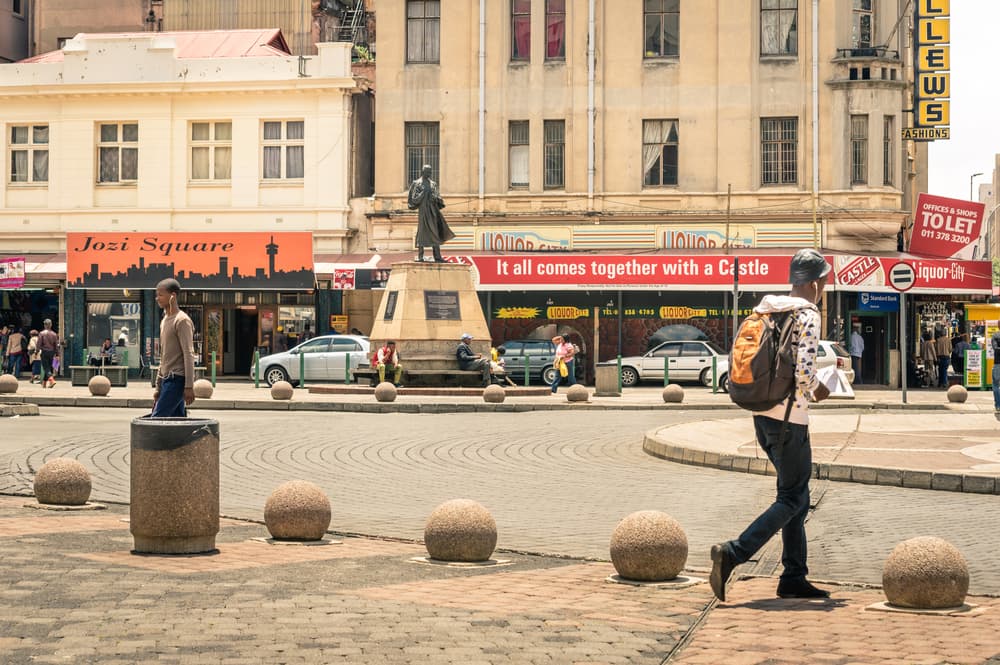
Johannesburg: South Africa's head-office city, 5,750 feet up
Sunny, dry winters, the Gautrain to Pretoria and the airport, and a security routine you'll build into daily life.
- 4,803,262
- Population (2022)
- $1,600/mo
- Monthly budget · single
- 62°F / 16°C
- Avg temperature
A single person in Johannesburg spends about $1,600 a month, and most budgets fall between $1,300 and $1,800. Couples land near $2,400, and a family of four near $3,900. A one-bedroom near the center rents for around $650 a month, or about $500 farther out, and a meal at an inexpensive restaurant runs about $7. All figures are in U.S. dollars, as of 2026.
This is the city South Africans move to for work. It suits professionals arriving with a local job offer, people who want big private hospitals close by, and anyone who likes winters that are sunny and dry. Newcomers often look at Sandton, Rosebank, Melville and Parkhurst.
It's a harder fit if you want to live without a car or stop thinking about security. The city is spread out, and the U.S. State Department warns that violent crime is more common in big-city downtowns, especially after dark. Residents treat security as a household routine: secure parking, locked car doors, and no solo walks at night.

Reviewed and updated October 8, 2026 · 4 min read
At a glance
$1,600
Monthly budget · single person
$650/mo 1-bed rent, center
32/100
Safety index
$40
Internet / month
62°Fannual average
Jul 51° · Jan 68°
Climate
4,803,262
Population (2022)
Expatsi estimates, updated Oct 2026, based on rental listings, government statistics, and local reporting.
Cost of living
What it costs to live in Johannesburg
Single person
$1,300–$1,800/mo
about 50% below Austin, TX
Couple
$2,000–$2,800/mo
about 50% below Austin, TX
Family of four
$3,000–$4,800/mo
about 50% below Austin, TX
Compared with Austin, TX (Expatsi estimate, 2026).
- $7 −65%
- Inexpensive meal
- $550–$750/mo −67%
- 1-bed rent, center
- $400–$600/mo −63%
- 1-bed rent, outside
- $40/mo −38%
- Internet
- $158/sq ft −76%
- Buy price, center
Expatsi estimates, updated Oct 2026, based on rental listings, government statistics, and local reporting.
Daily life
How Johannesburg lives
- C grade, 13th percentile among the cities we track
- Dining & cafésmodest
- B grade, 51st percentile among the cities we track
- Arts & culturetypical
- B- grade, 29th percentile among the cities we track
- Parks & outdoorstypical
- B- grade, 30th percentile among the cities we track
- Schools & educationtypical
- B- grade, 37th percentile among the cities we track
- Healthcare accesstypical
- B grade, 40th percentile among the cities we track
- Bike infrastructuretypical
- B- grade, 29th percentile among the cities we track
- Public transittypical
- A- grade, good physical accessibility
- Accessibilitygood
Graded on OpenStreetMap amenity density relative to the 298 cities we track. Accessibility is the exception: it's graded against a fixed standard (terrain steepness and sidewalk surfaces), not a curve.
Climate
Weather through the year
Annual average 62°F (16°C) · 29 in of rain a year · Source: Meteostat station normals (68368, 1991-2020)
On the ground
Scenes from Johannesburg
Getting around
Transport in Johannesburg
Most Johannesburg residents drive. Suburbs sit far apart, and day-to-day life here is built around the car.
The Gautrain is the big exception. This rapid rail line connects Park Station, Rosebank and Sandton with Midrand, Centurion and Pretoria, plus a link to O.R. Tambo International Airport. Sandton to the airport takes about 15 minutes. Fares are cashless: tap in with a Gautrain card or a contactless Visa or Mastercard. Gautrain midibuses connect stations with nearby suburbs, but on weekdays only.
Rea Vaya, the city's bus rapid transit system, links the downtown CBD and Braamfontein with Soweto. Uber and Bolt fill in the trips the train doesn't make. Drivers can't always pick up right outside Gautrain stations, so you may need to walk a short way before you request a ride.
If you drive, the State Department's advice matches what locals already do: doors locked, windows up, extra care at traffic lights and on- and off-ramps, and any traffic light that's out treated as a four-way stop.
- 7.5/sq mi
- Transit stops
- 3.3/sq mi
- Bike infrastructure
- 4.2/sq mi
- Wheelchair-accessible places
Mapped features per square mile from OpenStreetMap.
Keep exploring
Places like Johannesburg
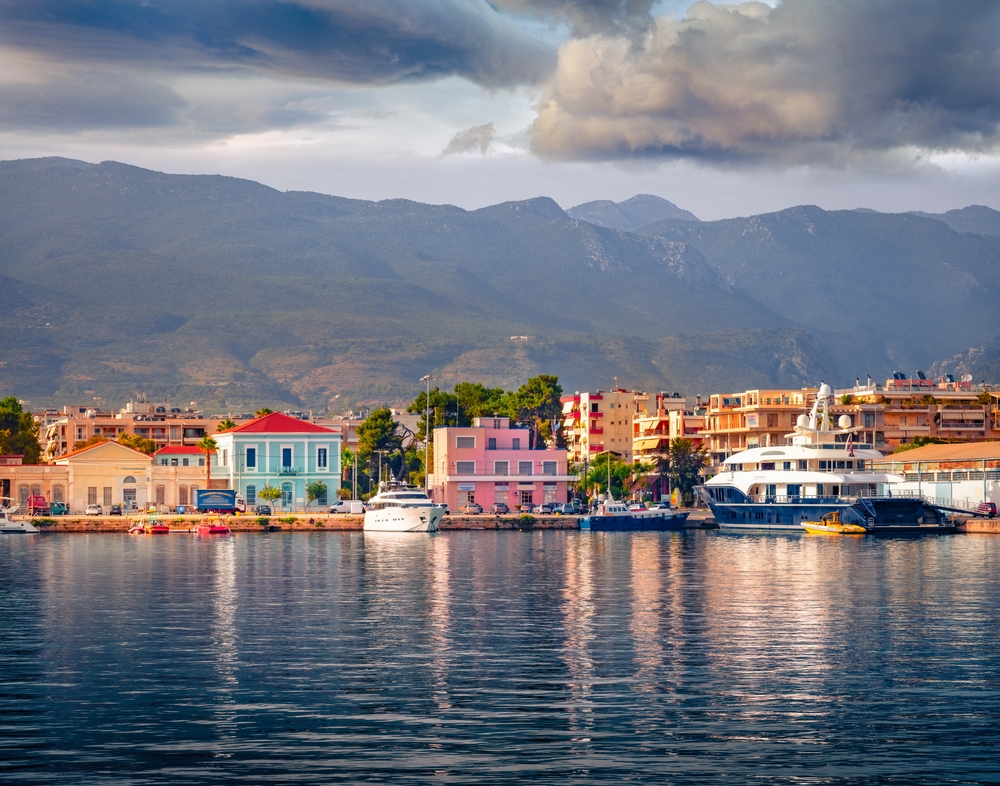
Kalamata
Greece
57.7K people · $1,600/mo
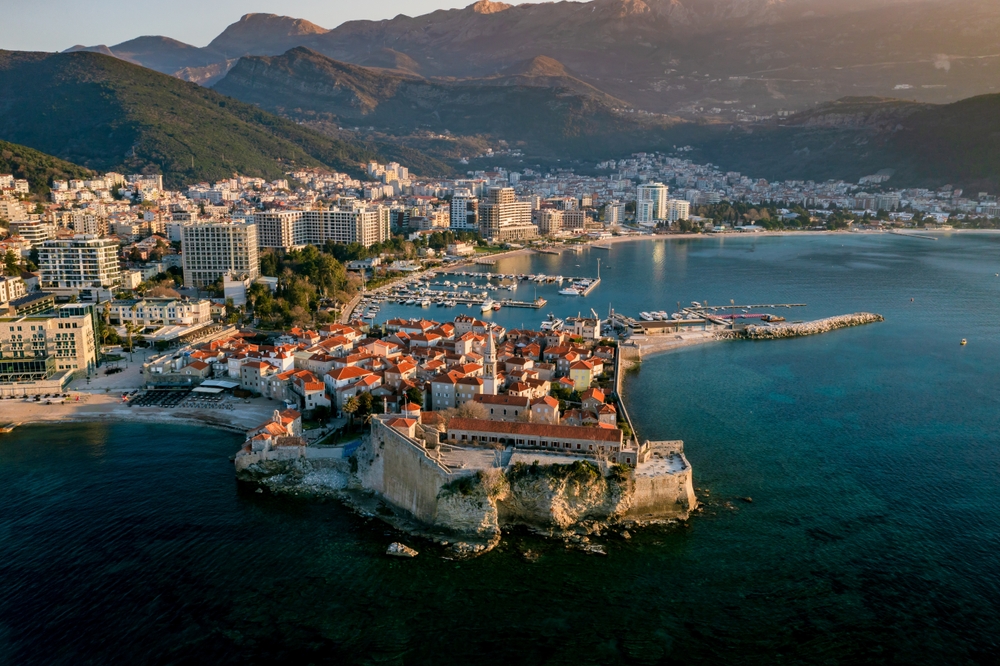
Budva
Montenegro
13.3K people · $1,800/mo
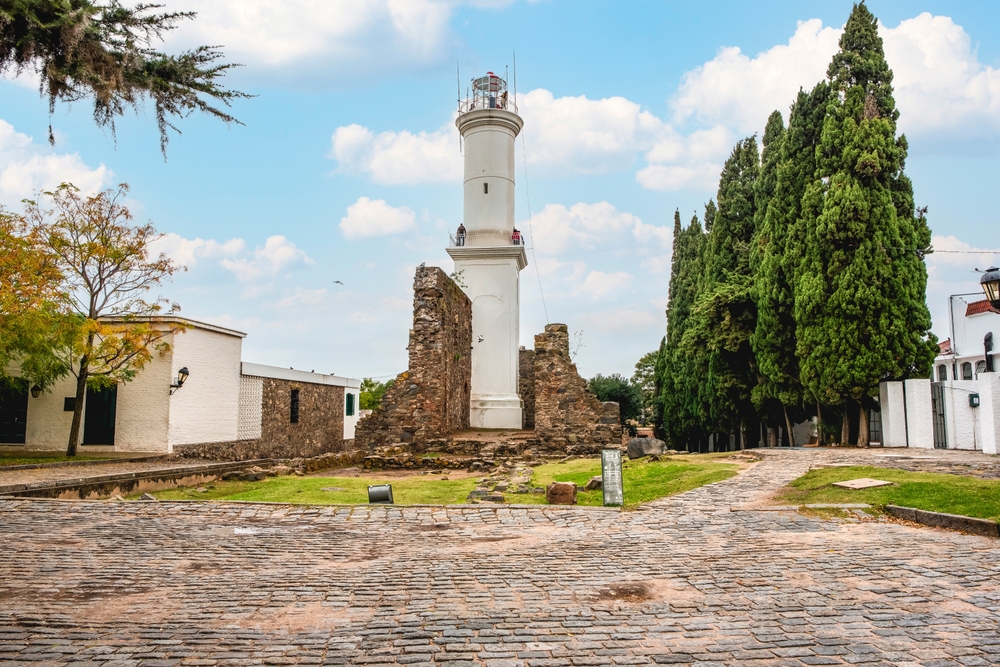
Colonia del Sacramento
Uruguay
32.2K people · $1,600/mo
Nazaré
Portugal
15.2K people · $1,900/mo
Matera
Italy
59.7K people · $1,700/mo
Gondomar
Portugal
164.3K people · $1,800/mo
Community
Community & practical notes
Black Americans: A community of African Americans has put down roots in Johannesburg. A 2024 Sunday Times report described Daze House, in the suburb of Observatory, as a popular gathering spot for African American expats, and profiled Americans living near Melrose and running tour and relocation businesses for Black travelers. Many of the people in that coverage sell services to this market, so talk to a few residents directly before you decide.
LGBTQ expats: South Africa's constitution bars discrimination based on sexual orientation, and same-sex marriage has been legal since 2006. Johannesburg held the country's first Pride march in October 1990 and still hosts Pride each year. The law is strong, but attitudes vary by community, and violent attacks on lesbians, including so-called corrective rape, are well documented.
Healthcare: Most people who can afford it use private care, and expat guides call medical aid (a local health plan) essential. Private hospitals include Wits Donald Gordon Medical Centre in Parktown and Netcare Linkwood Hospital in Linksfield West, and private hospitals run 24/7 emergency ambulance services. One American living here told Expat Arrivals that a private clinic visit is quick to book and costs much less than in the U.S.
Remote work: Home internet runs about $40 a month. Workshop17 has two coworking spaces in Rosebank, The Bank and The Firestation, a few hundred yards apart, and The Bank is a short walk from the Gautrain. Johannesburg is six to seven hours ahead of Eastern, by season, so a U.S. East Coast workday lands in your afternoon and evening. In April 2026, the power utility Eskom forecast no load shedding (scheduled power cuts) for winter, but some areas still face separate load reduction cuts. Ask a landlord about backup power before you sign.
Limited mobility: Mixed. The Gautrain is the strong point: stations have elevators and wider gates, trains board level with the platform, and every second Gautrain bus has a wheelchair ramp. Away from the rail line, the spread-out layout means most trips depend on a car or ride-hailing. Before signing a lease, check the route from your door to the nearest station and ask whether the building's elevators run during power cuts.
Retirement: Johannesburg can work for retirees who want dry, sunny winters and large private hospitals, and who are happy to drive. July averages highs near 63°F and lows near 39°F, while summer afternoons average highs near 78°F and bring most of the year's rain. South Africa's retired person visa is the route built for pension and retirement income. Compare it with other countries on our retirement visa page, and see the full picture in our South Africa guide.
Housing
Renting and buying
- 1-bed rent (center)
- $550–$750/mo
- 1-bed rent (outside center)
- $400–$600/mo
- Buy price (center)
- $158/sq ft
- Buy price (outside center)
- $102/sq ft
Expatsi estimates, based on rental listings, government statistics, and local reporting.
Good to know
Frequently asked questions
Can Americans retire in Johannesburg?
Yes. South Africa offers a retired person visa for people living on a pension or other retirement income. Retirees in Johannesburg usually rely on private hospitals and a local medical aid plan, and most drive. The city suits people who want a large city with sunny, dry winters.
Is Johannesburg safe for Americans?
It's manageable with planning, but not carefree. The U.S. State Department rates South Africa Level 2, "exercise increased caution," and says violent crime such as carjacking and robbery is common, especially in big-city downtowns after dark. It also warns that some crime victims have been followed home from O.R. Tambo Airport. Residents choose homes with secure parking, keep car doors locked, avoid walking alone at night, and keep expensive watches and jewelry out of sight.
Does Johannesburg still have load shedding?
South Africa's scheduled power cuts eased in 2025 and 2026. In April 2026, the power utility Eskom forecast no load shedding for the winter, though some areas still faced separate load reduction cuts. Before you rent, ask whether the home has backup power such as solar, batteries or an inverter.
Is Johannesburg LGBTQ-friendly?
Legally, yes. South Africa's constitution bars discrimination based on sexual orientation, same-sex marriage has been legal since 2006, and Johannesburg hosts a Pride event each year. Social attitudes are more mixed, and violence against LGBTQ people, especially lesbians in some communities, is a documented problem.
What is the cost of living in Johannesburg?
One person in Johannesburg typically spends between $1,300 and $1,800 a month, and a family of four between $3,000 and $4,800 (2026 figures, in U.S. dollars). Rent is the biggest variable: a one-bedroom near the center runs about $550 to $750 a month.
Do you need a car to live in Johannesburg?
For most people, yes. The city is spread out, and public transport covers only part of it. The Gautrain rail line works well if you live and work near its stations in Sandton, Rosebank or central Johannesburg, and it reaches Pretoria and O.R. Tambo Airport. Most residents still drive, or use Uber and Bolt, for everything else.
What is the weather like in Johannesburg?
Johannesburg sits about 5,750 feet above sea level, which keeps it mild. The yearly average temperature is about 62°F. Summer, from about November to February, brings warm afternoons and almost all of the city's roughly 29 inches of annual rain. Winter, from June to August, is dry and sunny, with chilly nights.
See how Johannesburg fits your life
Take the free Expatsi Test and compare South Africa to over 100 countries on what actually matters: cost, healthcare, climate, and safety. About five minutes.
Why not you?