These 10 Cities Have The Best Public Transportation


January 2, 2025 · Updated October 31, 2025 · 4 min read
Are you an explorer who needs help touring across the country? Let’s dig deep into top cities with the perfect public transit wonders delivering comfortability, cleanliness, and efficiency with top-notch quality. From convenient subway systems to well-connected buses and cabs, these cities redefine the whole concept of convenience.
1. Berlin, Germany

Photo Credit: Shutterstock.
Are you searching for comfortable, safe, and always on-time transport? Public transport in Berlin is a delight. Berliners praised their city’s transport network, with the locals and travelers making the most of the U-Bahn, S-Bahn, and buses for decades – even when the city was divided in two during the Cold War. A massive 175 stations across nine lines might sound imposing, but the U-Bahn is magnificently simple to navigate.
2. Prague, Czech Republic
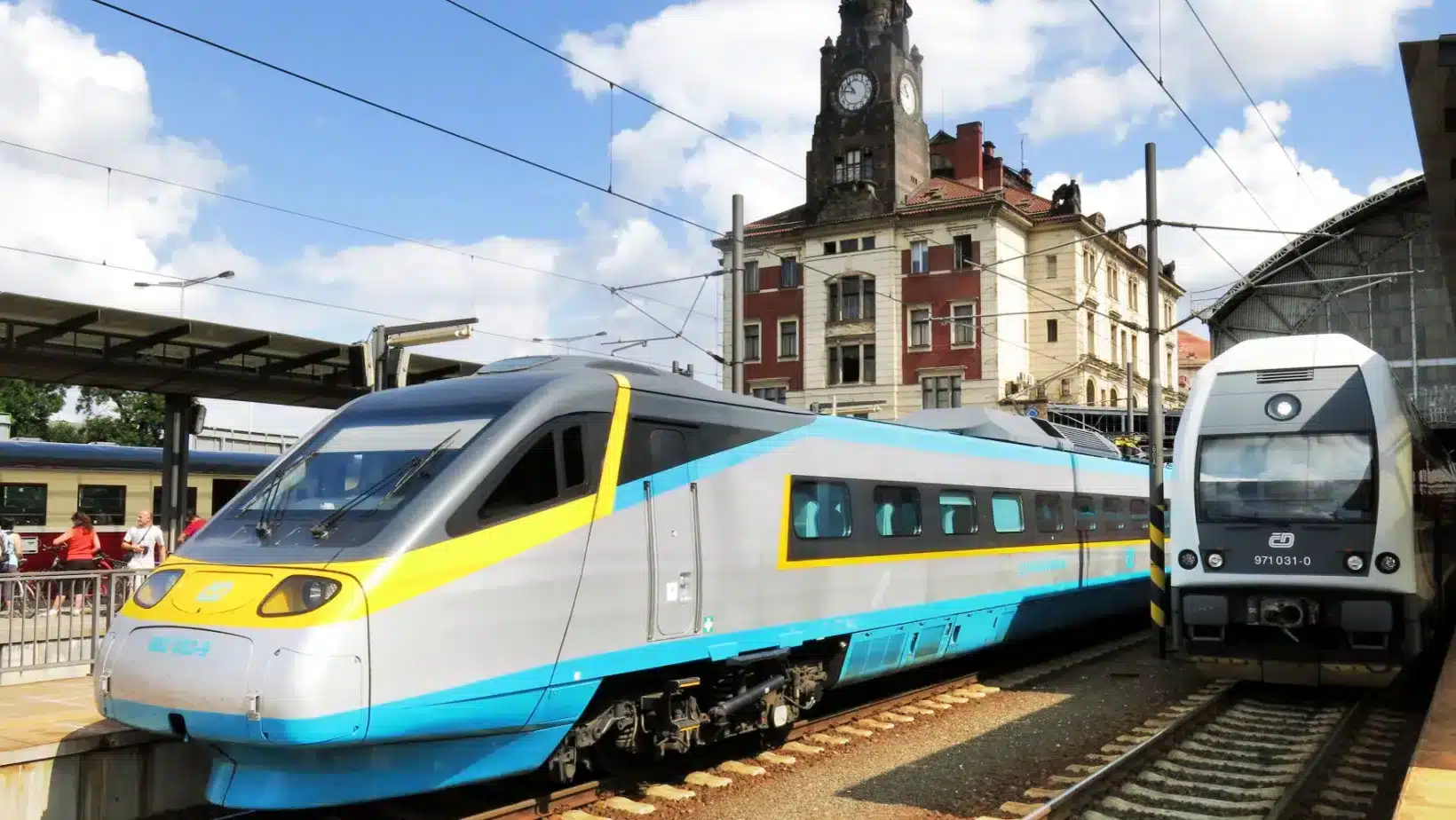
Photo Credit: Shutterstock.
The Czech capital is one of the most beautiful cities in Europe, and its public transport network only adds to that. Many Prague locals said their city was easy to get around by public transport. And it’s not just convenient. It’s pretty spectacular, too. Prague wouldn’t be Prague without the sight of a tram dashing in front of a Gothic church or Renaissance stunner. What’s your opinion?
3. Tokyo, Japan
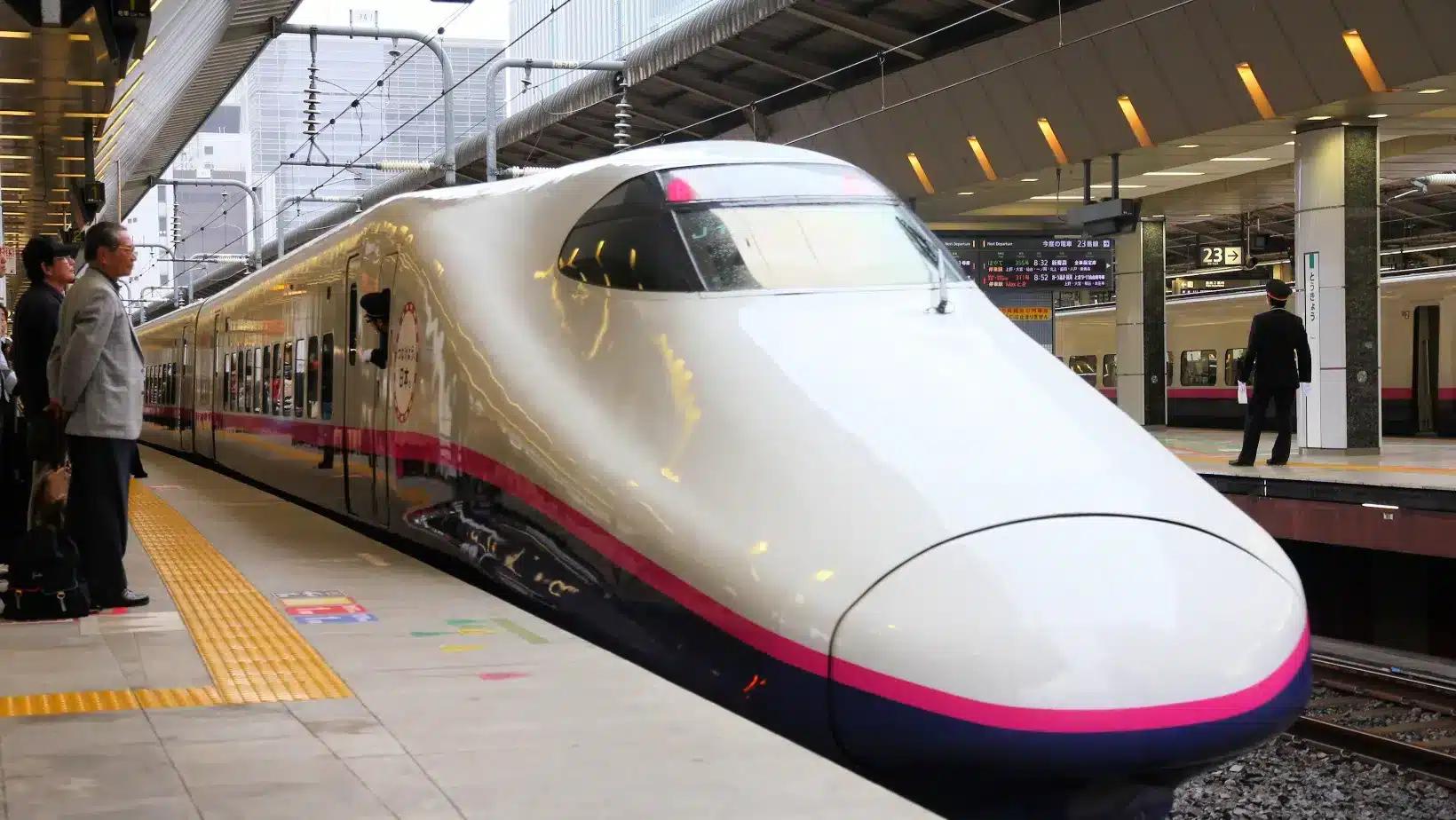
Photo Credit: Shutterstock.
Japan always sets the bar high regarding technological advancements and efficiency. While New York gets the lead with the most stations and, on the other hand, Shanghai has the most track distance, but no public transport on the Earth serves as many people as the one found in Tokyo. Tokyo’s public transport is brilliantly maintained and easy to use for locals and travelers, 94 percent of whom said the city was easy to navigate by public transport. But, Might be best to avoid rush hour, though.
4. Copenhagen, Denmark
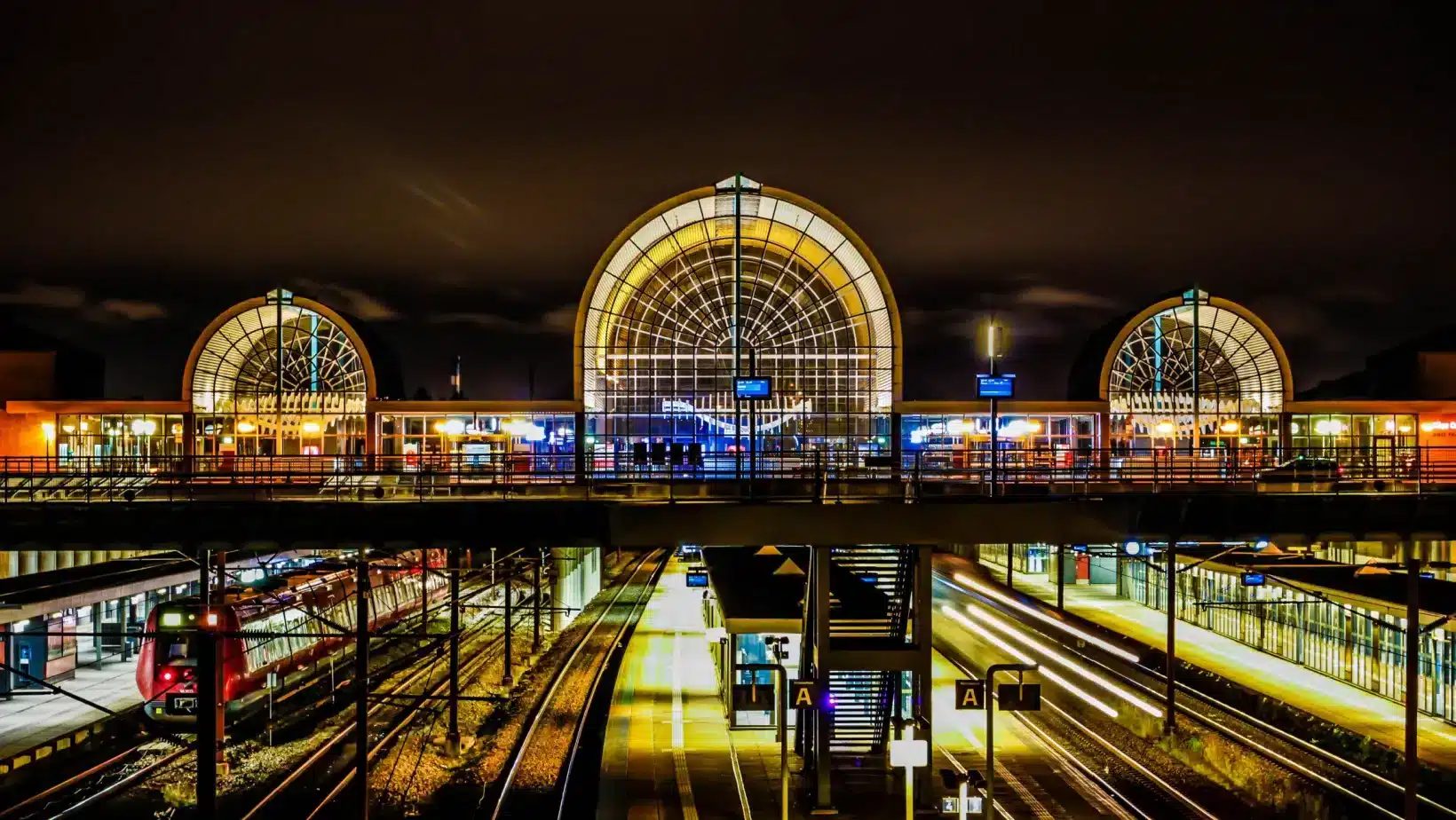
Photo Credit: Shutterstock.
You can pay for everything with one ticket: the Copenhagen Card covers public transport across the entire city. No wonder many locals said it was easy to get around. It’s not hard to mount an argument for Copenhagen as the greatest city on the planet. Public transport in Copenhagen holds up its end of the bargain, with a reliable system of trains, buses, and water buses whizzing folks around all day long.
5. Stockholm, Sweden
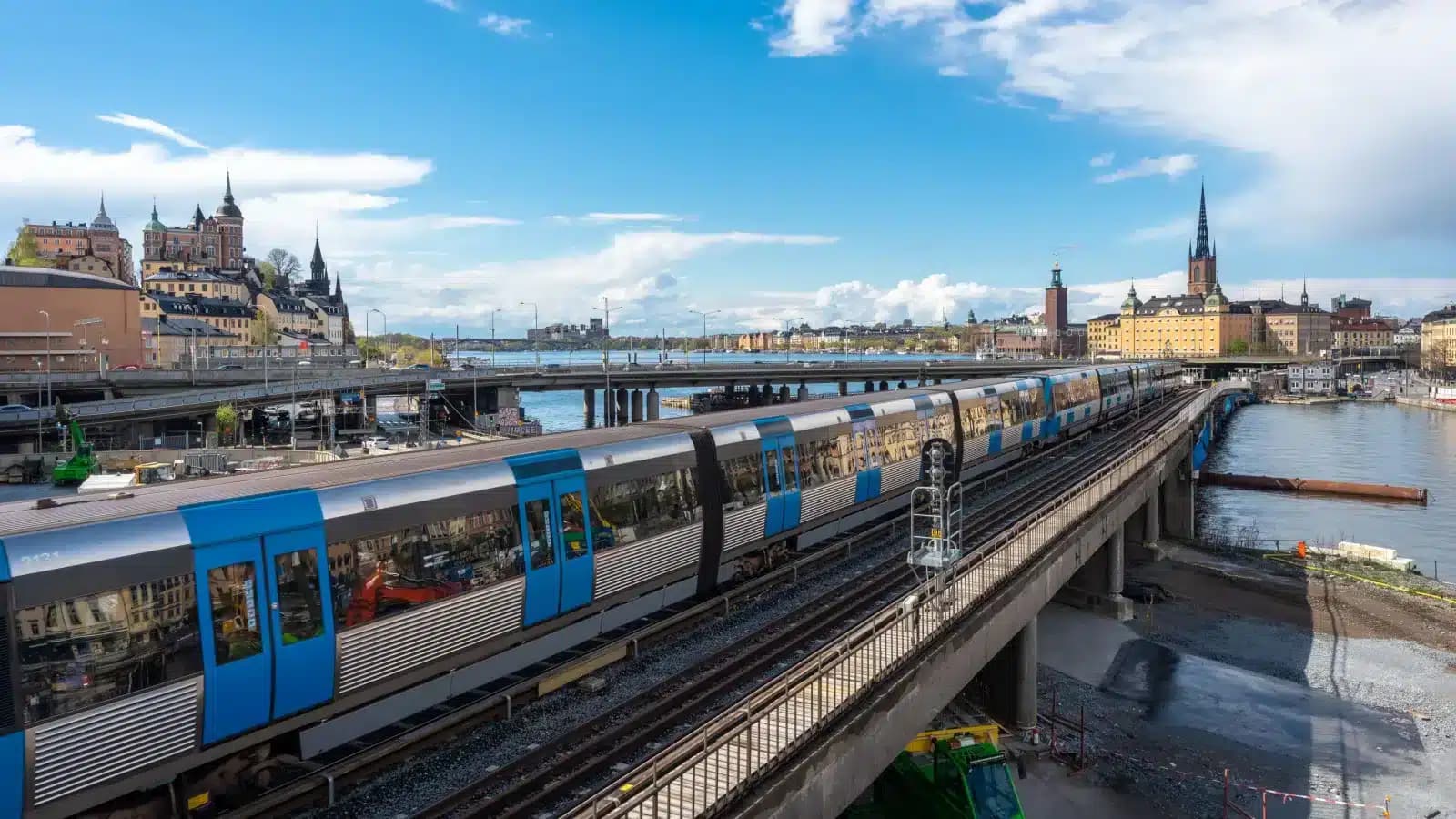
Photo Credit: Shutterstock.
Aesthetics are just part of the package: public transport in Stockholm, including trams, buses, and ferries, is every bit as efficient as it is engaging with many globetrotters who agree that it’s easy to get around the city. Stockholm’s metro is as stylish as it gets. They don’t call it the world’s longest art gallery without good reason.
6. Singapore
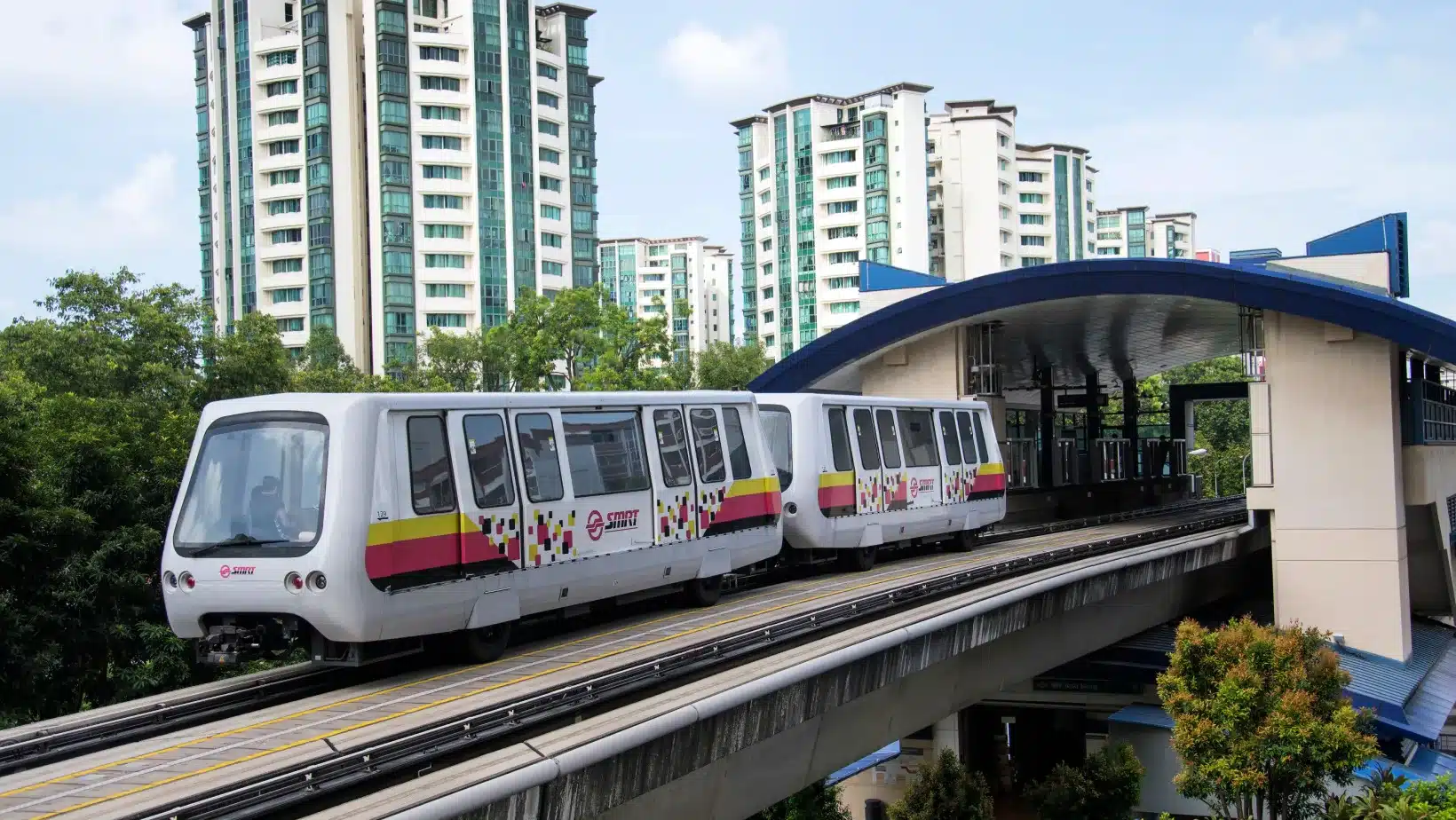
Photo Credit: Shutterstock.
Do you know that all buses in Singapore are wheelchair-accessible and strollers are allowed? Singapore never fails to deliver top quality to its residents, and the public transport bar is set high and praised by millions of regular users as well as tourists. It shouldn’t be a shock to hear that public transport in Singapore is very much on the cutting edge of the modern world. Innovation is standard here, and the city’s buses and mass rapid transit (MRT) leave no stone unturned in their quest for excellence.
7. Hong Kong
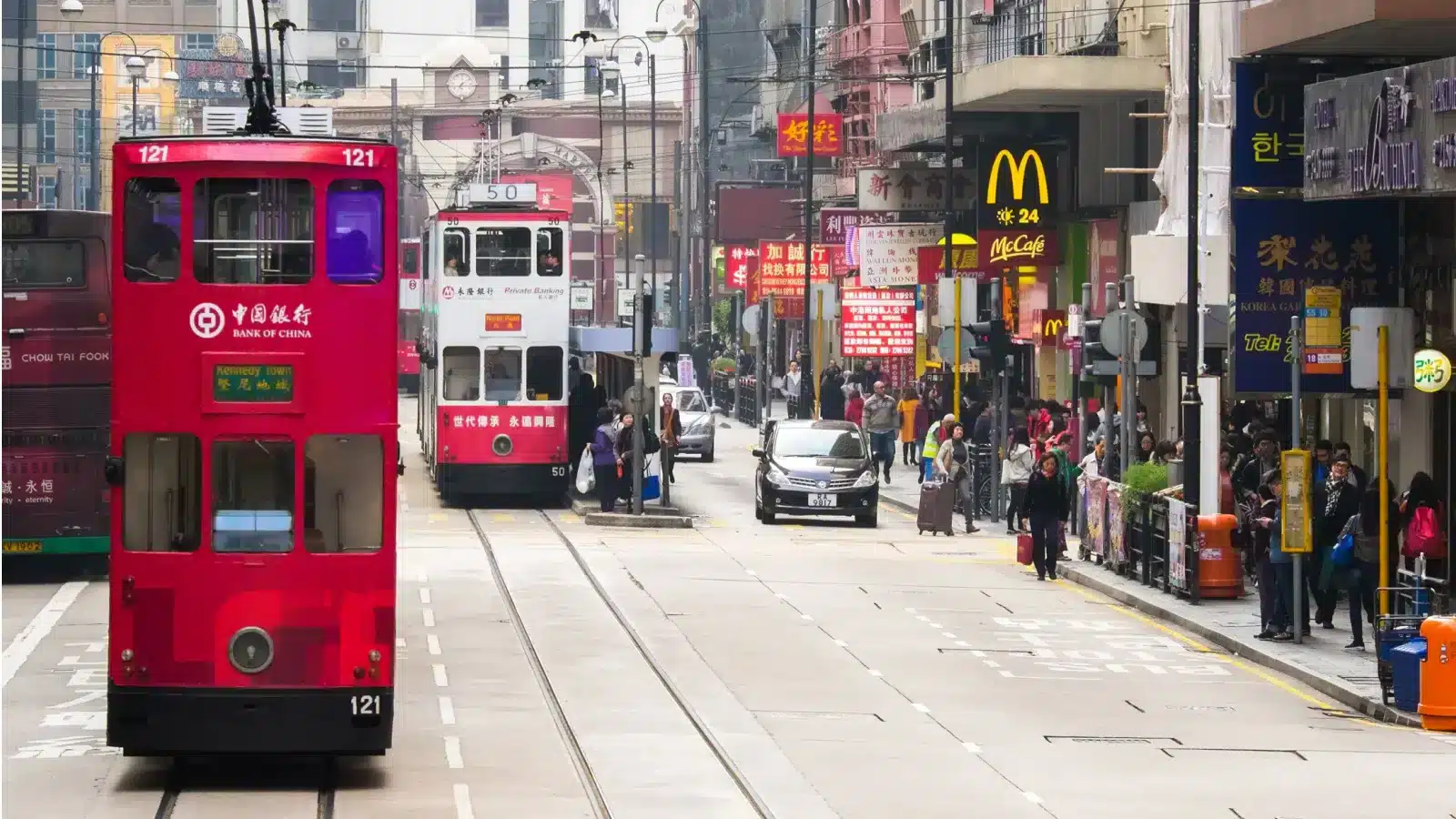
Photo Credit: Shutterstock.
Hong Kong residents absolutely praise their city’s transit system, and why not? The whole system is efficient, clean, and comfortable, and the public transport in Hong Kong routinely ranks high among the best in the world for obvious reasons. The network is diverse, to say the least, and the city is proud of the fact that 75 percent of the population lives within one kilometer of a metro station – that’s less than a 15-minute’ walk.
8. Taipei, Taiwan
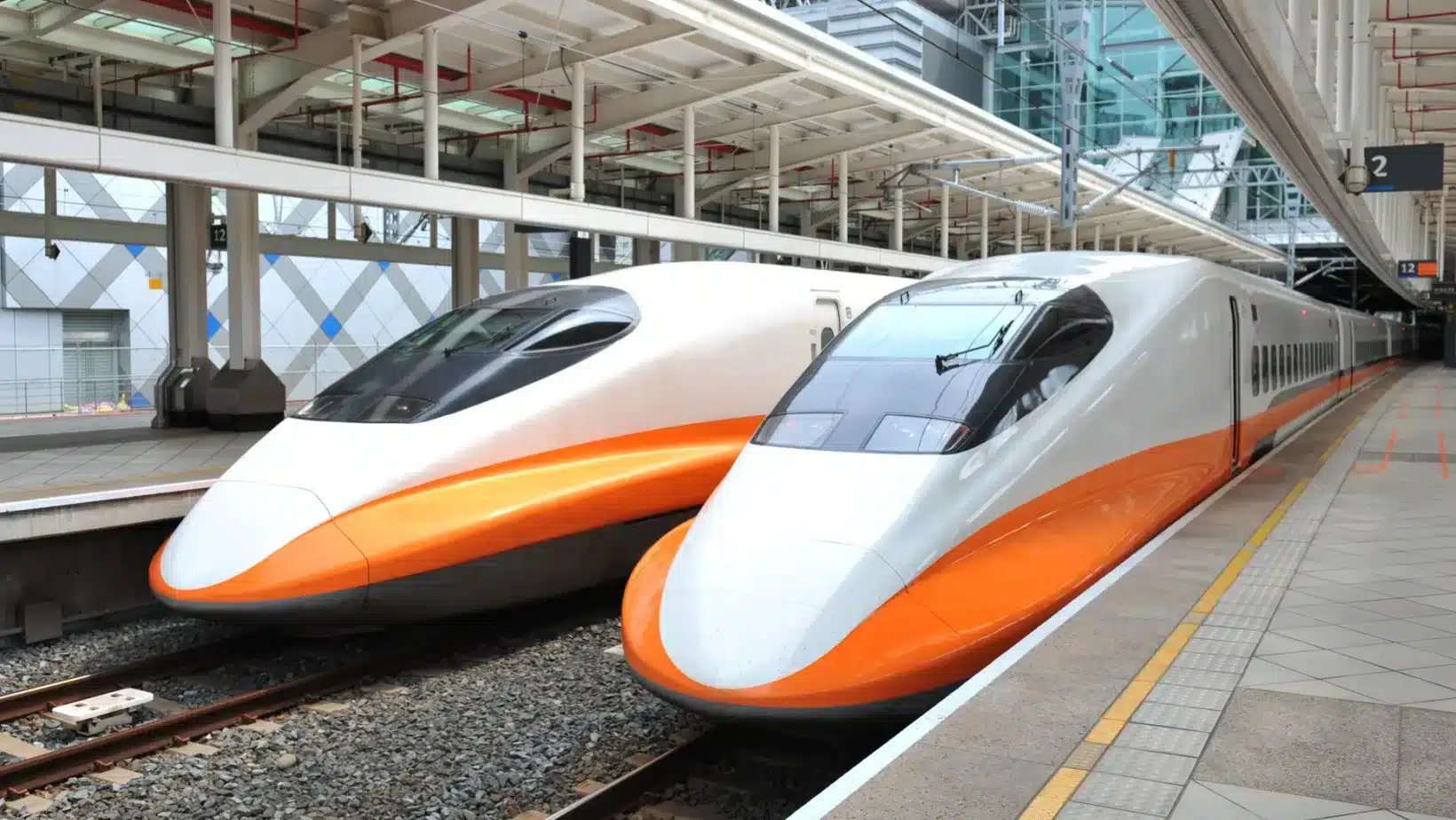
Photo Credit: Shutterstock.
Natives rate their public transport system positively, and the elevated stations give visiting customers a welcoming look into everyday street life. The capital of Taiwan is one of the most livable cities in the world, and for good reasons. Its marvelous public transport system is one major and primary reason why. The Taipei Metro is one of the busiest light-rail systems in the world, but not a single drop of efficiency has been sacrificed in the process. Pretty astonishing, Right?
9. Shanghai, China
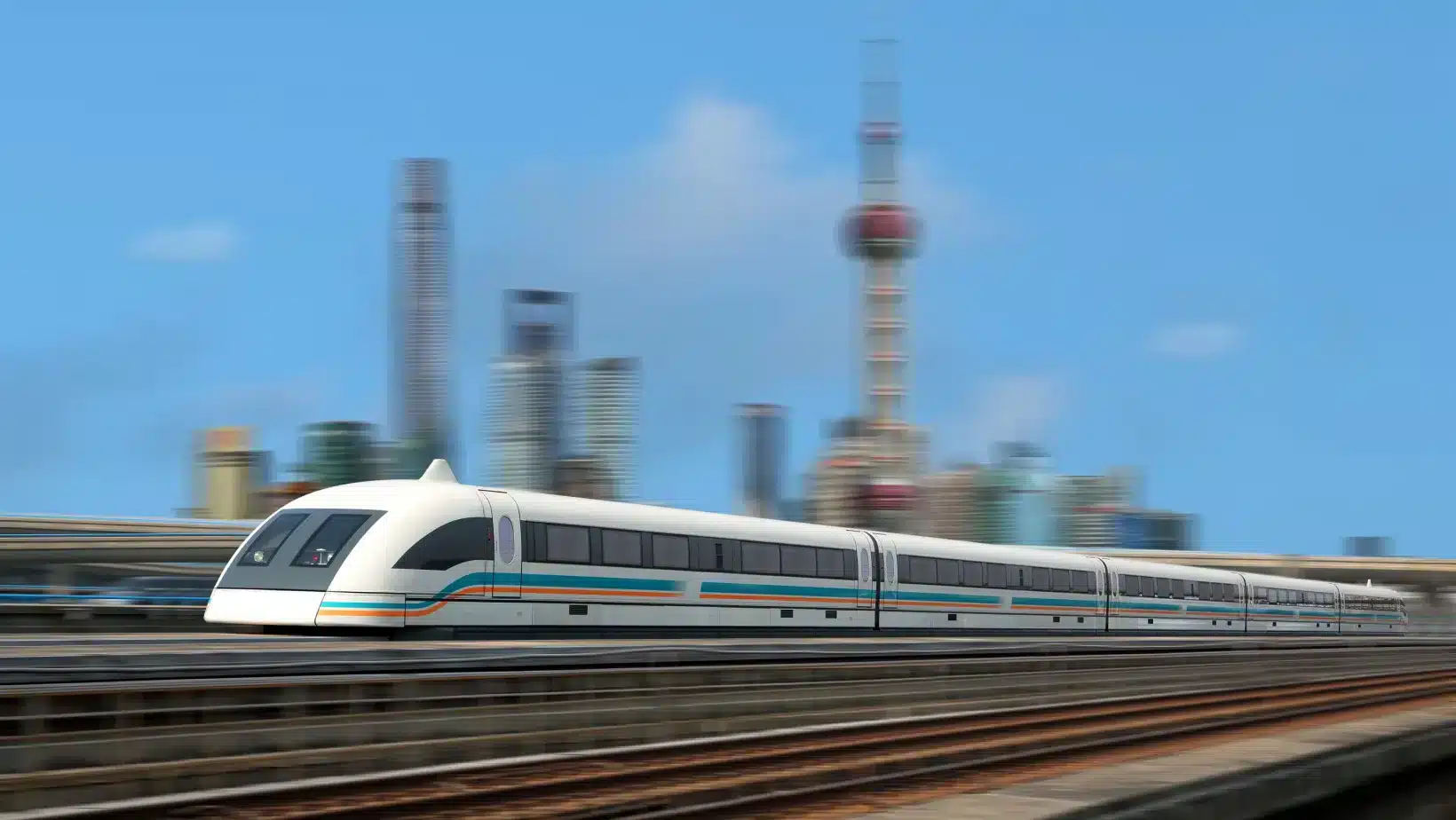
Photo Credit: Shutterstock.
Well, The Transit system in Shanghai is second only to New York by the number of stations. Shanghai’s metro is the largest in the world if you’re talking about the distance it covers. Alongside the trains, Shanghai’s buses, maglevs, taxis, and ferry systems can be paid for using the Shanghai Public Transportation Card. Shanghai residents are certainly satisfied as they term their tour very comfortable and easy around the city.
10. Amsterdam, Netherlands
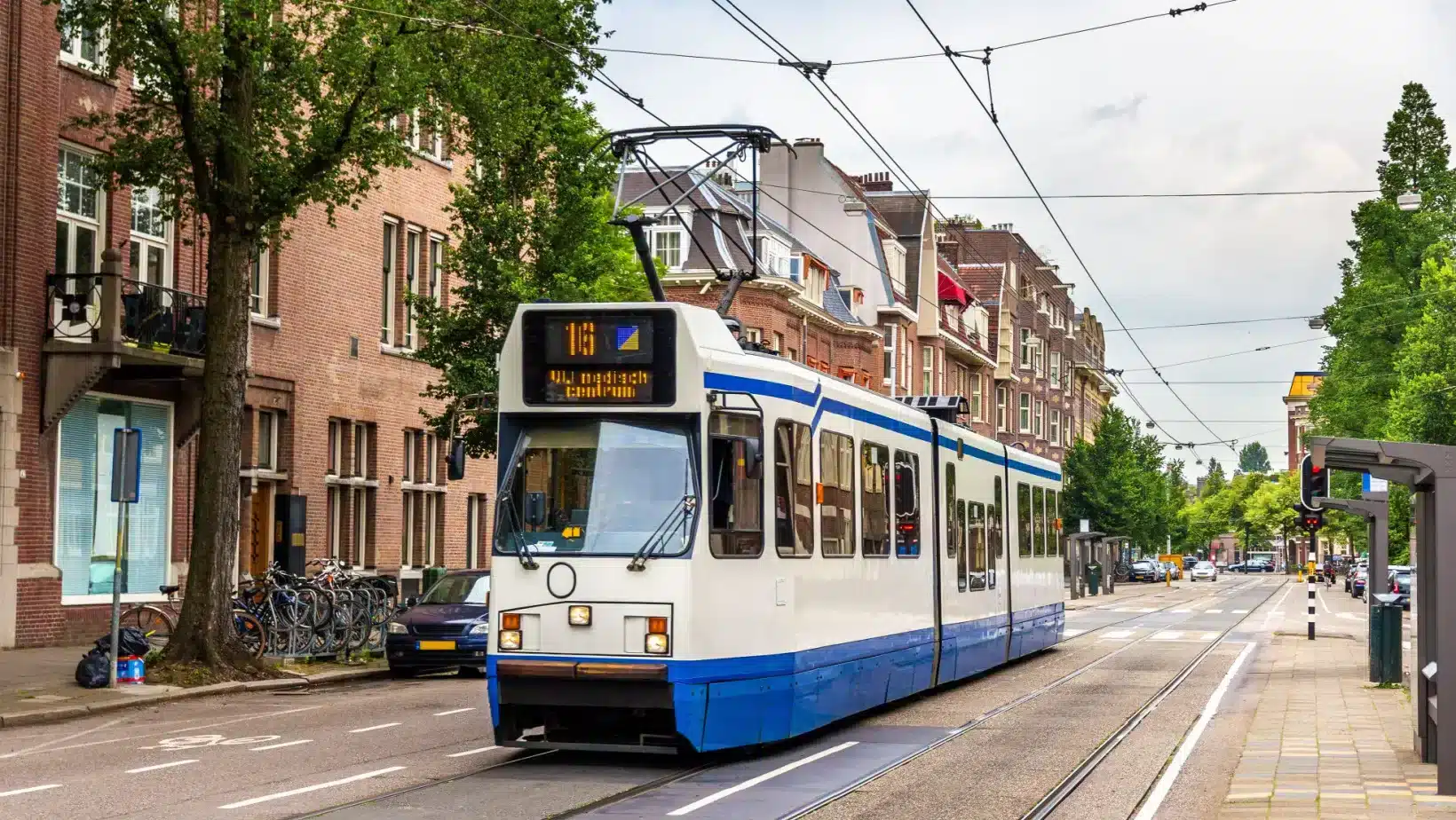
Photo Credit: Shutterstock.
Amsterdam definitely has hordes of bicycles zooming across the Dutch capital, but you don’t have to commit to two wheels here. Amsterdam’s public transport covers plenty of ground. The city’s network of trains, trams, ferries, and buses does a sterling job, and the whole thing is a tremendous value for money. Adventurers praise the city’s public transport system for obvious reasons.
Guide to Getting Around Mexico

You know how you’re immigrating to Mexico, but not sure how you’ll get around once you’re there?
Guide to Getting Around Panama

If you’re thinking about moving to and getting around Panama, you may be curious about how people travel around cities or from town to town.
How Americans Move Abroad: 13 Secrets Revealed

Photo Credit: Shutterstock.
While there’s no one-size-fits-all option in the world, Americans do have plenty of paths open to them. Here’s how Americans move abroad: