Norway's permit for church workers, performers and Fulbright grantees
A real offer or a recognized program gets you in. The years just won't count toward staying for good.
This permit covers people coming to Norway for a specific mission or cultural job: a church or charity post, an orchestra or stage contract, a Fulbright grant, a foreign-press assignment. Most tracks need a Norwegian offer in hand before you file.

The numbers that decide it
NOK 341,373
Yearly pay floor for musicians and circus performers
about $35,900, pre-tax
4 years
Longest stay for church and charity staff
granted one year at a time
Up to 6 months
Processing time reported by Fulbright Norway
as of April 2026
0
Years that count toward permanent residence
on every track below
Pick your track
Five ways in, five sets of rules
Norway files several permits under one heading, and each has its own test.
Church, charity and nonprofit staff
You need a concrete offer of full-time work from an established organization whose purpose is nonprofit, humanitarian or religious. Pay can't be below what's normal for that job locally. If it's low or unpaid, the organization must cover free board and lodging. Permits run one year at a time, four years max.
Musicians, performers and artists
You need a concrete offer, normally full-time (37.5 hours a week). Musicians, circus performers and their support staff must earn at least NOK 341,373 a year before tax, about $35,900. Permits last up to a year at a time.
Fulbright, Erasmus+ and other cultural stays
No job offer needed. You show money to live on (UDI's guideline sets it at 2.5 times Norway's basic amount, about NOK 341,370 since May 2026), a place to live and, for cultural work, proof of past work in culture or sport. You can work part-time and during holidays. Two years total.
Journalists for U.S. media
Posted to Norway for more than three months by a foreign outlet? You'll need a place to live, and permits run up to two years at a time.
Pastors and religious teachers
Religious leaders and teachers usually go through a separate skilled-worker route that, as a rule, asks for a master's-level degree in religion or education. Unlike everything above, that permit counts toward permanent residence.
Exchange/Cultural/Organizational Work Permit
For participants in exchange programs, cultural exchanges, or work with NGOs/religious organizations. Application must be submitted in person.
- Government cost
- $650
- Processing time
- ~30 days
- Timeline
- Duration of program (typically 1 year)
- Difficulty
- Moderate
About that data card
Our data lists "Invitation from a Norwegian organization" as the main requirement. For church, nonprofit and performer jobs, UDI wants a concrete job offer, not an invitation; only the Fulbright-style cultural track runs on savings plus housing. The 30-day processing figure is also optimistic: Fulbright Norway reported waits of up to six months for this category in April 2026.
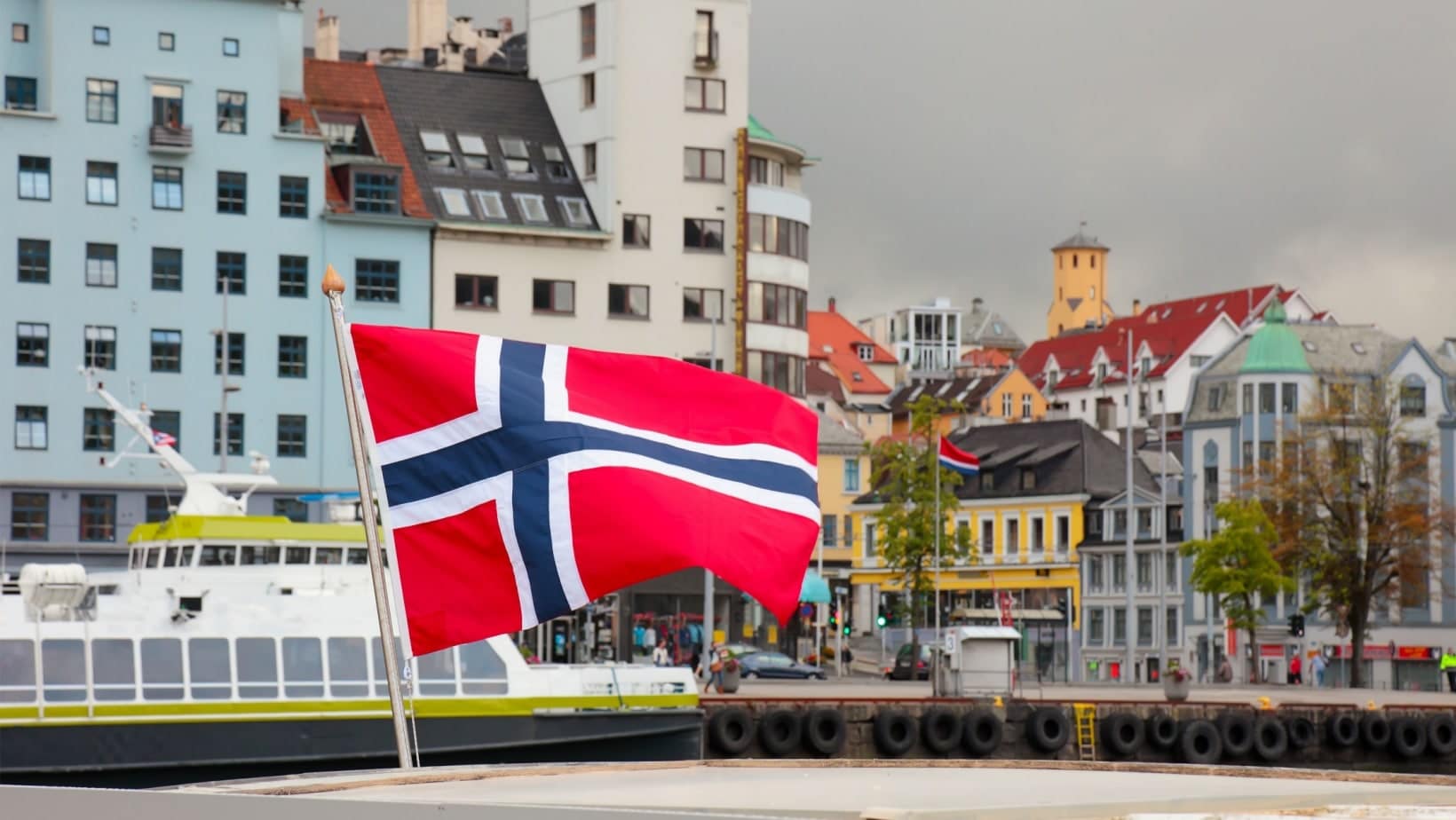
Applying from the U.S.
Online first, then a VFS appointment
- Create an account on UDI's portal, fill in the form and pay the fee online.
- Book a VFS appointment in San Francisco, Houston, Chicago, Washington, D.C. or New York. Go in person with your passport to be photographed and fingerprinted.
- VFS sends your passport and file to the Consulate General in New York. Nothing moves until the passport arrives.
- Once you're approved, book a police appointment in Norway for your residence card.
As a rule, you can't start the job before UDI decides. To renew, file online at least a month before your permit ends so you keep your rights while you wait.
What trips people up
The clock doesn't run
Time on these permits doesn't count toward permanent residence, which takes three continuous years on a qualifying permit. If you want to stay long term, plan a switch to a permit that counts.
Your U.S. side gig counts as work
The Local reports that UDI treats remote work done from Norway as work in Norway, wherever the client is. Freelancing for American clients has to fit your permit's work rules.
Short tours may not need a permit
Performers, musicians and their crew can play Norway for up to 14 days per calendar year without a residence permit.
Two tracks aren't open to Americans
Norec exchanges run with countries eligible for Norwegian development aid, and the U.S. isn't on UDI's working holiday list.

Life on the permit
Family, doctors and two tax systems
Family
Your spouse or partner and children can usually apply to join you. Family members over 18 can work without a separate permit.
Healthcare
Moving for at least 12 months? You join Norway's National Insurance Scheme from the day you arrive, and once you're registered as living in Norway you're entitled to a GP. Out-of-pocket fees are capped at NOK 3,278 (about $345) for 2026.
Taxes
Most workers need a Norwegian tax deduction card and a D number. Newcomers earning up to NOK 725,050 (about $76,300) in 2026 may qualify for the PAYE flat rate of 25% of salary. You still file U.S. returns, and the U.S.-Norway totalization agreement means you generally pay into Norway's social security for that job, not both.
People who can help with the move

MyExpatTaxes
U.S. Expat Tax Service
MyExpatTaxes prepares U.S. tax returns for Americans living overseas, including foreign income exclusion and credit filings.

Hunter Schultz
Healthcare Coach
Hunter Schultz is a healthcare coach who helps Americans understand how care and coverage work in a new country.

ExpatInsure
Global Health Insurance
ExpatInsure offers global health insurance plans for people living outside the U.S.
Questions Americans ask
How much does a musician need to earn for a Norwegian work permit?
Musicians, circus performers and their support staff need a salary of at least NOK 341,373 a year before tax, about $35,900 at September 2026 exchange rates. The offer should normally be full-time, which UDI defines as 37.5 hours a week.
Does time on Norway's cultural work permit count toward permanent residence?
No. UDI says time on the organization-worker, artist, journalist and other cultural permits doesn't count toward permanent residence. Religious leaders and teachers are different: they apply on a separate skilled-worker route, usually with a master's-level degree, and that permit does count.
Can Americans get Norway's permit for cultural and organizational work?
Yes. Americans qualify with a concrete job offer from an established nonprofit, humanitarian or religious organization, a concrete offer as a performer, musician or artist, a foreign-media posting longer than three months, or a program such as Fulbright or Erasmus+. Two related tracks, Norec exchanges and working holiday permits, aren't open to U.S. citizens.
How long does UDI take to decide a cultural or organizational work permit?
Fulbright Norway reported processing of up to six months for this category as of April 2026. UDI gives estimates through a tool on its site. As a rule, first-time applicants can't start working in Norway until the permit is granted.
Can my spouse come to Norway and work?
Usually, yes. UDI says spouses, cohabitants and children of permit holders can usually apply to live in Norway, and family members over 18 can work without a separate work permit.
Do I need a residence permit for a short concert tour in Norway?
Not for short runs. Performers, artists, musicians and their support staff can perform in Norway for up to 14 days per calendar year without a residence permit.
Where do Americans hand in a Norwegian residence permit application?
You apply online through UDI, pay the fee, then appear in person at a VFS center in San Francisco, Houston, Chicago, Washington, D.C. or New York with your passport. VFS sends the file to Norway's Consulate General in New York, and processing starts once your passport arrives.
Do I still pay U.S. taxes while working in Norway?
You still file a U.S. return every year. For 2026 the foreign earned income exclusion is $132,900, and the U.S.-Norway totalization agreement generally means you pay social security to Norway, not both countries, for work done there.
Not sure this is your route to Norway?
The Expatsi Test matches your work, money and plans to the countries and visas that fit.
Why not you?