The French student visa, and what a degree costs now
A public master's runs about $4,563 a year for Americans in 2026, you have to show $1,014 a month in the bank, and the permit lets you work 964 hours a year.
France spent years letting almost every foreign student pay its rock bottom public tuition. For 2026-27 that mostly ended, and an American now pays the non-EU rate, still under $5,000 a year at a public university. The visa fee is small. The order of operations is what trips people up.

The price change
Cheap tuition just stopped being automatic
French public universities have been allowed to charge non-EU students more since 2019, and nearly all of them waived it anyway. A decree signed on May 19, 2026 closed that door. Each one can now excuse at most 30 percent of its international fee payers, falling to 25 percent next year and 20 percent after, so most Americans starting now pay the published rate.
What you pay
About $3,352 a year for a bachelor's and $4,563 for a master's, which the ministry sets at 2,902 and 3,950 euros. French and EU students pay $206 and $295 for the same seat. Everyone also owes the CVEC campus contribution, about $121.
The doctorate escaped
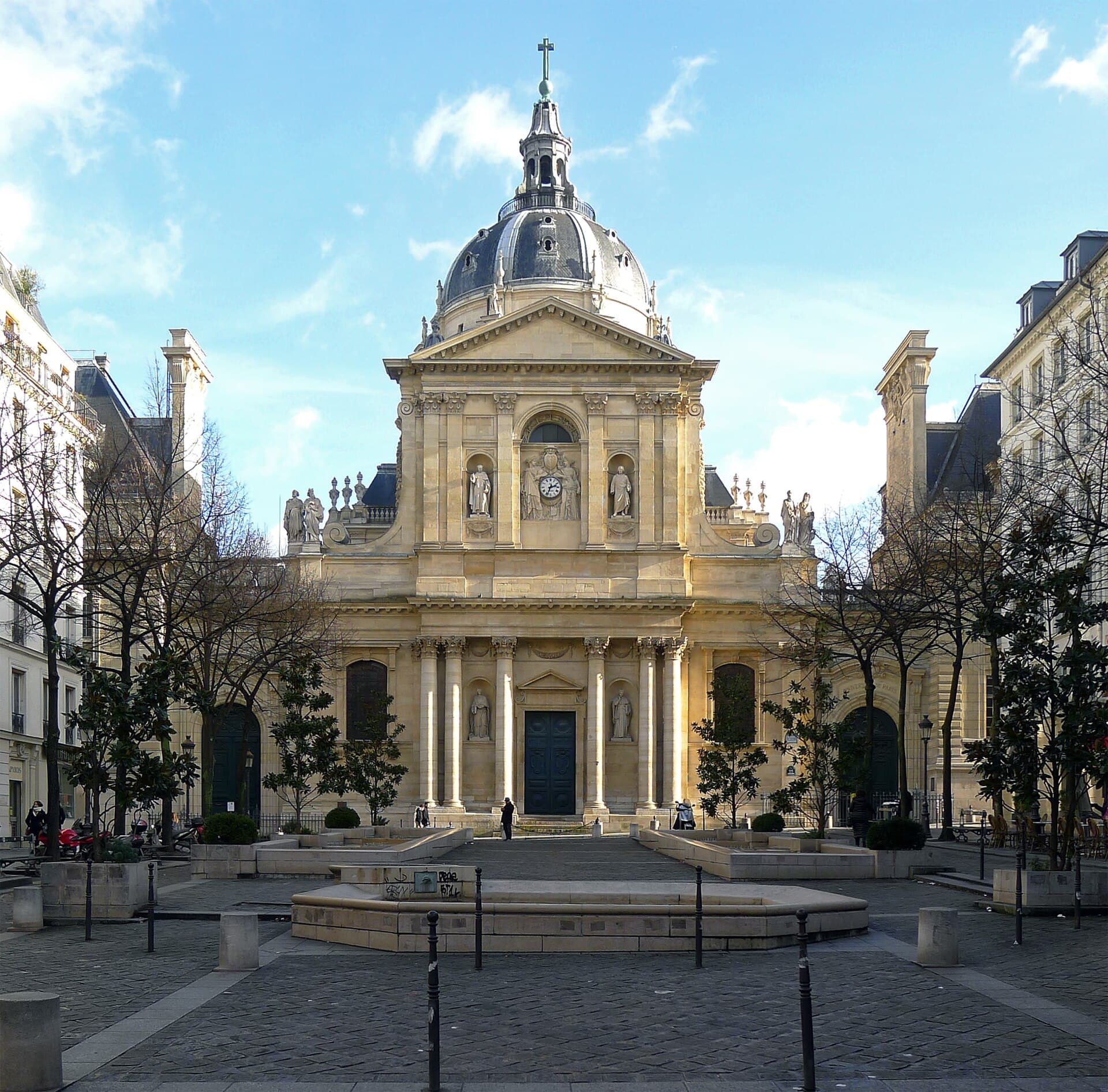
Differentiated fees do not touch PhDs, so a non-EU doctoral student pays the same $460 a year as a French one. The public medical faculty in Montpellier, pictured, is where a change like this actually lands.
The four numbers to plan around
$4,563
Public master's tuition, per year
3,950 euros, set by decree for 2026-27
$1,014
Money you show, per month of study
877.50 euros, up 43 percent on August 1
964 hours
Paid work allowed per year
about 20 hours a week in term
$58
Consular visa fee
50 euros, the Campus France rate
Student Visa
For US citizens enrolling in a study program in France lasting more than 90 days. Application is submitted online, followed by an in-person appointment at a French consulate.
- Government cost
- $99
- Processing time
- ~15 days
- Timeline
- Duration of study program
- Difficulty
- Moderate
Key requirements
- Valid US passport
- Letter of acceptance from a French educational institution
- Proof of financial means
- Proof of accommodation
- Travel insurance
- Completed visa application form
- Additional documents as required
About that data card
Three lines above need work, and we have asked for all three. The $99 fee belongs to applicants outside the Campus France system. Americans are inside it, so the consulate charges about $58 (50 euros), while the real bill is the $270 Campus France review plus a 220-euro appointment fee, waived for degree students. The requirements list also skips the document no U.S. applicant can do without: the Campus France confirmation email. And 15 days is hopeful: Campus France says about three weeks from the appointment. Dollar figures on this page use the euro's mid-September 2026 value of about $1.16.
Proof of funds
The money bar jumped on August 1
The figure had not moved since 2002. A decree signed on June 22, 2026 raised it to $1,014 a month, or 877.50 euros, for every application filed from August 1 - a jump of 43 percent on the old 615 euro floor. It is now pegged to 47 percent of the French minimum wage and reset at least yearly, so read the live number the week you file.
It sits on top of tuition
Campus France is blunt here. The money has to be free and clear after every tuition, admin and program fee on both sides of the Atlantic is paid. A ten month program means about $10,136 untouched, or 8,775 euros.
Three ways to show it
Three months of statements from your own account, a notarized guarantee form signed by a sponsor with their statements attached, or a university letter confirming scholarship or loan money above all fees. A balance that landed last week invites questions.
What the file needs
A Campus France file first
Reviewed in the US before any consulate looks at you.
A real acceptance
Your enrollment letter, whose dates become your visa dates.
Funds after fees
$1,014 a month, clear of tuition and travel.
Three months of housing
A lease, a residence booking, or your first week plus a letter.
Cover for the gap
Private insurance until French social security takes over, free to join.
An in-person appointment
Ten US visa centers take the file and hold your passport.
While you're there
Your 964 hours now pay part of the rent
The student card is the work permit, and the cap is written in hours rather than shifts: 60 percent of a full French working year, or 964 hours. That means you can work light during term and bunch the rest into the summer. Internships built into your degree do not count against the total, and no employer has to file anything extra.
The rule that changed in July
Non-EU students without a means tested scholarship lost French housing benefit on July 1, 2026. The exception written into the same rule is worth knowing: students who are working, or on an apprenticeship contract, keep it. That benefit runs roughly $115 to $290 a month (100 to 250 euros), so a few paid hours a week now decide whether you collect it.
Do not sail past the cap
A prefecture can ask for your payslips at renewal, and in November 2025 a French appeals court upheld a refused renewal partly because the student went over. Remote work for your employer back home is no quiet way around the cap either, since France treats work done on French soil as work in France.
A master's in English, a bachelor's in French
Campus France counts more than 1,500 programs taught entirely in English, most at master's level. They admit on TOEFL or IELTS rather than French. A bachelor's at a public university is the harder door: non-EU applicants file through the DAP procedure on a December to February calendar and usually sit the TCF-DAP French test at B2.
The American side
Here's the catch: your federal loans may not come with you
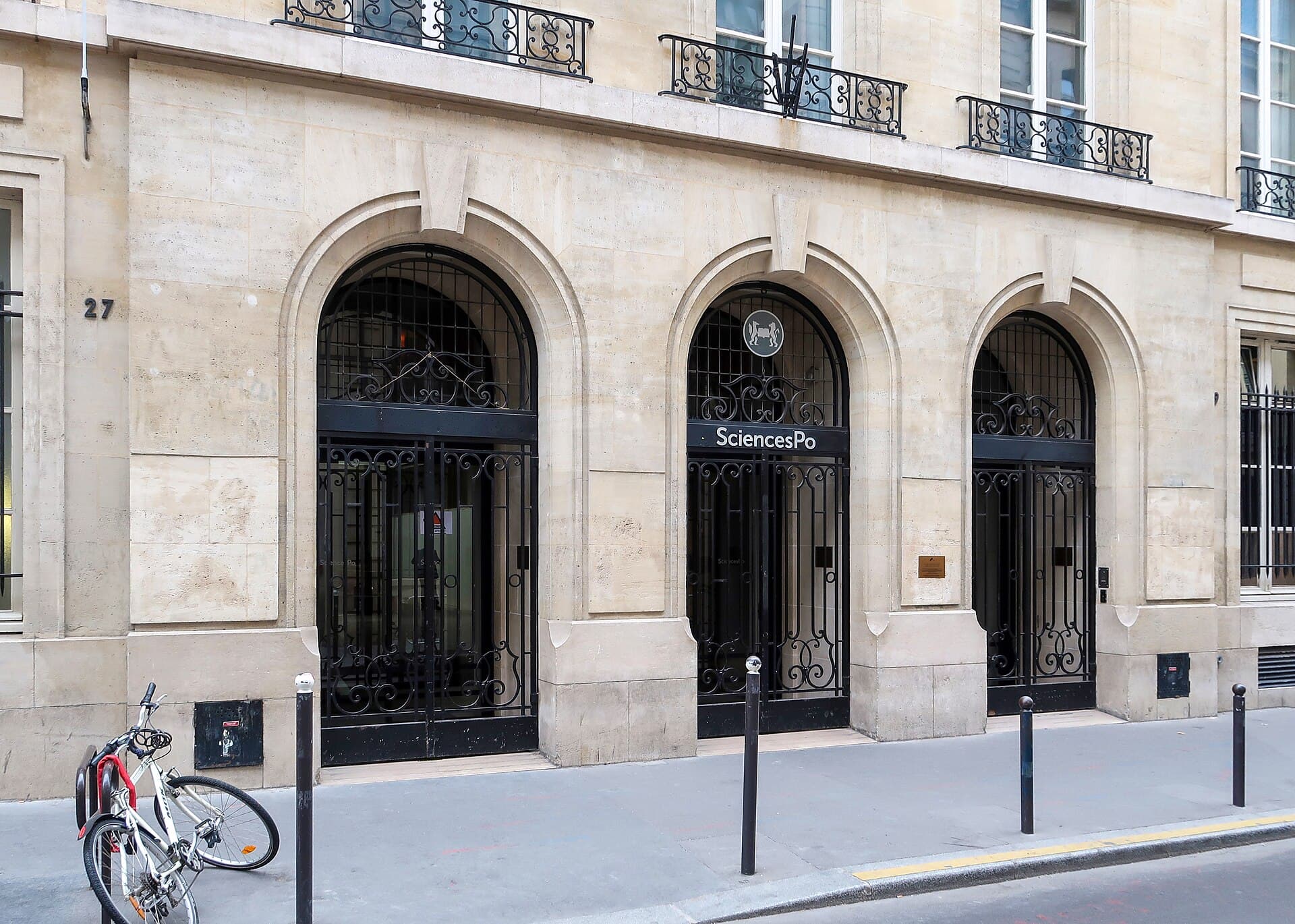
Campus France publishes which French schools hold an agreement with the U.S. Department of Education, and the pattern in it is the uncomfortable part. The schools that can disburse Direct Loans are mostly private grandes ecoles: Sciences Po (pictured), HEC Paris, ESSEC, EDHEC, INSEAD, the American University of Paris. Paris 1 Pantheon-Sorbonne and Toulouse 1 Capitole sit on the list as deferment only, which pauses payments on loans you hold and lends nothing new. Cheap tuition and American aid rarely share an address.
The squeeze is on the U.S. end
New borrowers lost Grad PLUS in July 2026, and that was the loan built to cover a full cost of attendance. Graduate study is down to $20,500 a year, $100,000 per degree and a $257,500 lifetime ceiling. Pell money has never crossed a border, and one online course can wipe out a term of Direct Loan eligibility.
Ask in writing
The federal list is refreshed quarterly, so make your aid office put in writing which loans it will certify for your program before you sign anything. A semester abroad through your U.S. university is easier because that money usually travels with you.

Skola
Studying Abroad in Europe
Skola advises Americans applying to affordable, English taught degrees across Europe, from shortlisting programs to the admission documents France asks for.
EasyStart
France Relocation Specialist
EasyStart is a French relocation specialist who runs visa files for Americans, including the online validation and prefecture steps that come after you land.

Legalize That Doc
Document Preparation
Legalize That Doc pulls vital records, FBI checks, apostilles and sworn translations, which covers much of what a French admissions office asks an American for.
Other ways into France
Employee Permit
- Valid passport
- Job offer from Albanian employer
- Health insurance
Long-Stay Visa (Type D)
- Completed visa application form
- Valid passport
- Passport-sized photos
Real Estate Owner Permit
- Valid passport
- Proof of property ownership in Albania
- Sufficient funds for living expenses
Retirement Permit
- Valid passport
- Proof of retirement income (min. €12,000/year)
- Health insurance
Self-employed Permit
- Valid passport
- Business plan or proof of self-employment activity
- Sufficient funds (approx. €5,000)
Questions Americans ask
How long does a French student visa take for Americans?
Two clocks, not one. The Campus France file is reviewed in about three weeks for the standard $270 fee, or three days for $460, and the consulate offers no expedited service. After your in-person appointment, budget about three weeks on a clean file. Start four to five months before your program begins.
How much money do you need for a French student visa?
Since August 1, 2026 you have to show about $1,014 a month, which France sets at 877.50 euros, for every month of your program. A ten month year lands near $10,136. It must be money left over after all tuition, administrative and program fees are paid, proven with your own bank statements, a notarized sponsor guarantee, or a university letter.
Can I use US federal student loans to study in France?
Only at a French school holding an agreement with the US Department of Education, and that list is short. Several schools on it are deferment only, so existing loans pause and nothing new is lent. New borrowers lost Grad PLUS in July 2026, Pell money never crosses a border, and one online course can wipe out a term of eligibility.
How much is tuition in France for American students?
At a public university in 2026-27, about $3,352 a year for a bachelor's and $4,563 for a master's, set in euros at 2,902 and 3,950. Doctoral students pay about $460. Most Americans now pay those rates, because a university may waive them for only 30 percent of its international students. Private business schools run $7,000 to $21,000 a year.
Do I need to speak French to study in France?
Not for most master's programs. Campus France counts over 1,500 degrees taught entirely in English, admitting on TOEFL or IELTS scores. A first year bachelor's at a public university is different: non-EU applicants file through the DAP procedure between December and February and normally prove B2 French with the TCF-DAP test.
Can I stay in France after I finish my degree?
A master's level French degree earns a job search and business creation permit, still widely called the APS, good for 12 months and not renewable. Apply before your student permit expires. Turning it into a work permit takes a contract paying about $3,235 a month, which France sets at one and a half times its minimum wage, or 2,800 euros gross.
Can I work in France on a student visa?
Yes, up to 964 hours a year, which is 60 percent of a full French working year, roughly 20 hours a week. Your student permit is the work authorization, so no employer application is needed, and internships that are part of your degree do not count. Going over the cap can cost you your renewal.

Is France the right country for you?
The Expatsi Test scores countries against your budget, your field and the life you want after graduation.
Why not you?