In Chile, losing the job doesn't lose the visa
You need a signed Chilean contract to get the permit. After that, the immigration service says you can change employers without even telling it.
SERMIG, Chile's immigration service, files work permits under one subcategory of temporary residency, and the whole thing hangs on a single contract with two signatures on it. The employer's goes on in Chile, in front of a notary. Yours goes on at a consulate. Then you wait, and the waiting is the part nobody plans for.
What it costs, and how long it really takes
$190
Visa fee for a U.S. citizen
set by nationality, $15 per adult dependent
6 to 8 months
What 2026 applicants actually wait
practitioner consensus, no official target
2 + 2 years
Permit length, then the extension
permanent residency opens at 24 months
$577
Legal minimum wage, per month
553,553 pesos, raised in May 2026
How it works
Three doors, and they all open on the same permit
A contract, signed in two countries
The main route is a job with a company that has an address or branch in Chile. The contract carries the file. Your employer signs it before a Chilean notary. You sign it at the consulate nearest you. The permit that follows runs up to two years and can be extended for two more.
A service contract, if you invoice instead
Specialists and contractors use the same subcategory with a contrato de prestacion de servicios, as long as the work runs longer than 90 days. That contract also has to be executed at the consulate. Without it, the immigration service won't even issue a certificate saying your permit is in process.
A job offer, on a 90-day clock
If the offer is real but the contract isn't signed, Chile can grant a 90-day permit instead. You then have 45 days from the day you land to file a notarized copy of the contract and proof that it was registered electronically, which converts the permit to a year. If the job falls through, that permit ends and you're told to leave.
Work Visa
For foreign nationals with a valid job offer from a Chilean company. Applicants must demonstrate that their skills match the job requirements and provide a notarized employment contract. Employers must also submit corporate and tax compliance documents. Processing times vary, and U.S. citizens may benefit from streamlined procedures due to bilateral agreements.
- Processing time
- ~60 days
- Timeline
- Varies, typically 2–4 months
- Difficulty
- Hard
About that data card
The card above says two to four months. Every 2026 practitioner we checked says six to eight, while Chambers puts the long end at twelve. That's why our own stat card disagrees with our own database. The description has a second problem: it says Americans may get streamlined treatment under bilateral agreements. We couldn't find one. Chile runs no fast lane for any nationality, and the US-Chile trade deal promises American professionals no numerical cap, not a shorter queue. We've hidden the requirements list, as well. It asks for a medical certificate and proof of your qualifications, but the official document set asks for neither.
The file
What you upload, and how fast each piece goes stale
Your half is short
A passport valid at least a year from the day you apply. A criminal record certificate from the US, plus one from anywhere else you've lived in the last five years. A plain photo: color, white background, no glasses, no hat. The contract. That's the whole list. No diploma, no medical exam, no Spanish test, and no salary bar beyond the legal minimum.
Your employer's half is the one that stalls
The company uploads its carpeta tributaria from the Chilean tax service, proof it can afford to hire you, and a document showing that whoever signed the contract can sign for the company. A firm that has never sponsored a foreigner will spend a week or two just finding those.
Everything has a shelf life
The criminal record is good for 60 days from the date it's issued. Papers from private parties last 30 days, papers from public bodies last 60 unless they say otherwise. Foreign documents need an apostille and go up as PDFs. A detail people miss: a translation is only required when the document is in neither Spanish nor English. Your American paperwork stays in English.
Rules nobody mentions in the job interview
The 85 percent rule
A company with more than 25 staff has to keep 85 percent of them Chilean. Specialized technical hires are left out of the count.
You file from outside Chile
Tourists can't switch to residency from inside Chile. Your permit is approved before you fly.
Changing jobs is your business
Once the permit exists you can change employer without telling the immigration service. The 90-day offer permit is the one exception.
The return ticket is optional
Guides still call the travel clause mandatory. The regulator says the two of you may agree it voluntarily.
No Spanish test, no degree check
Nothing in the file grades your Spanish. Regulated work is different: a doctor still sits the EUNACOM exam.
A 42-hour week
The legal maximum dropped from 44 hours to 42 in April 2026, on the way to 40 hours in 2028.
The market
Where the work is, and what it pays

The map isn't just Santiago
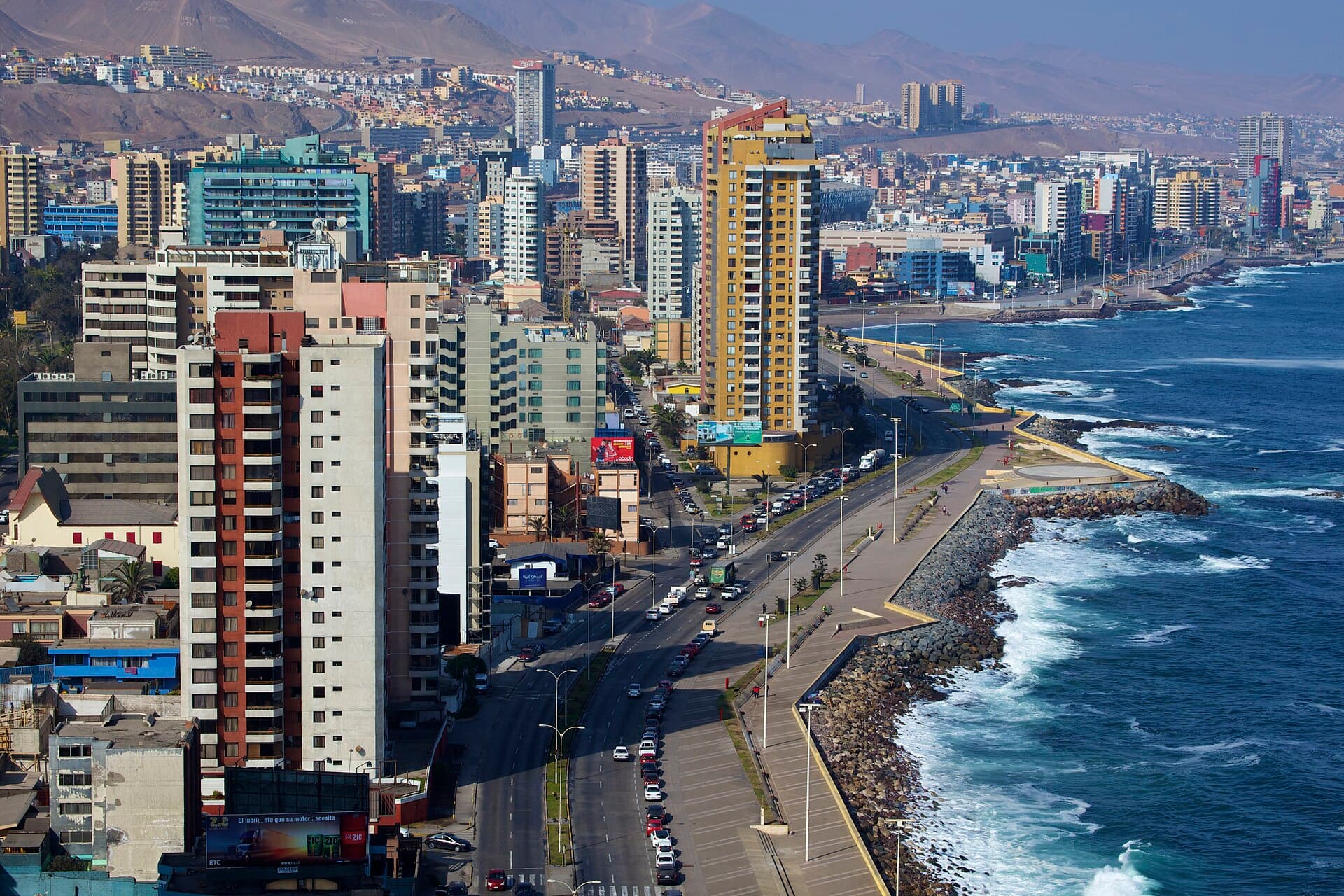
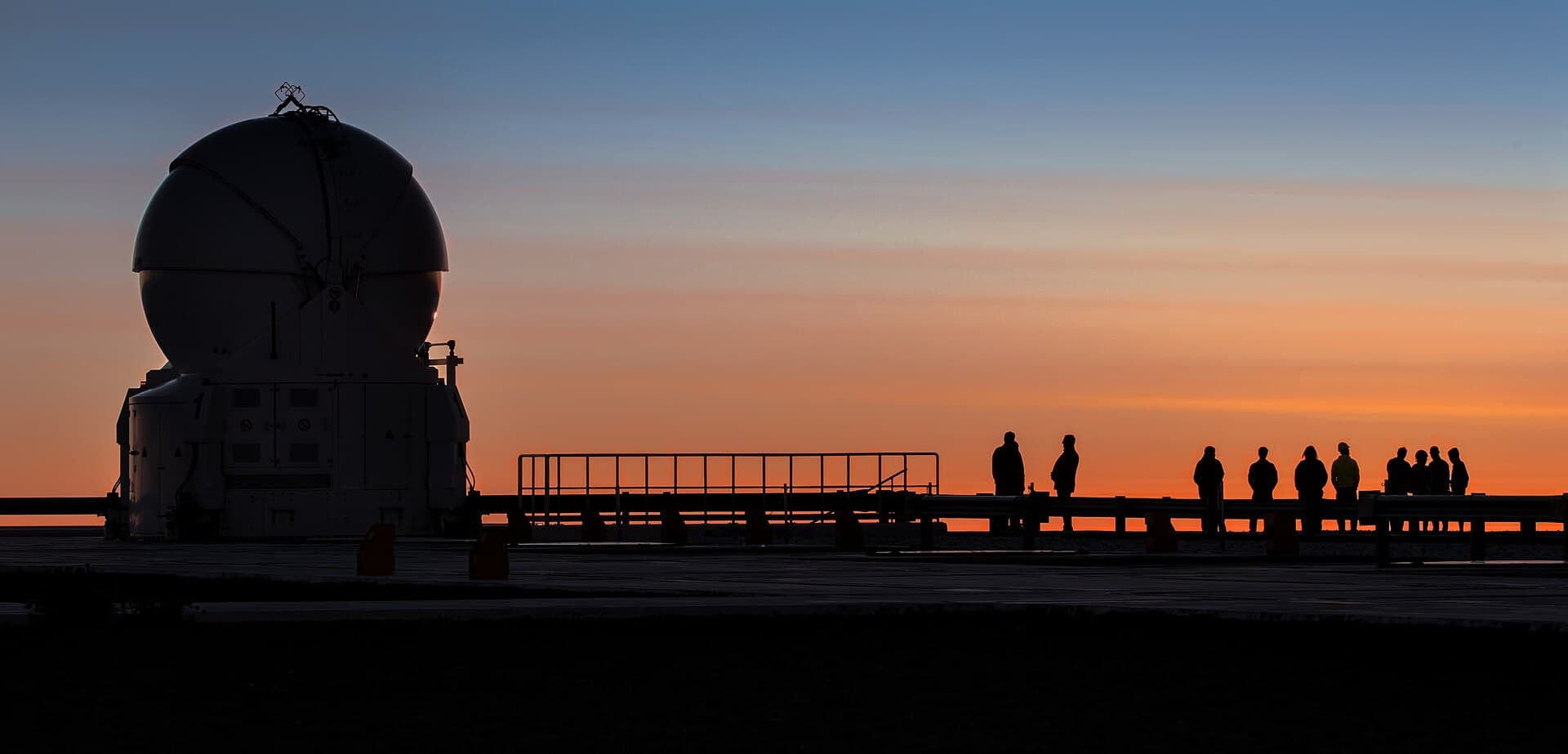
The capital holds the services, finance and tech roles, and the government's digital push keeps adding to them. Antofagasta and Atacama in the north run on mining, renewable energy and the observatories. Los Lagos in the south is aquaculture and forestry. Valparaiso and Vina del Mar are smaller markets built on shipping, tourism and universities.
The pay, in pesos
The legal floor is 553,553 pesos a month. The national average sits near a million. Foreign professionals in tech, engineering and management report 1.5 to 4 million pesos, or roughly $1,560 to $4,170 using the dollar's mid-September 2026 value of about 960 pesos. Run the rate again on the day you sign.
The honest part
Chilean employers rarely plan eight months ahead, so given the choice they hire someone who can start next month. You need something a local candidate can't offer: a niche skill, genuine English, or experience the Chilean market hasn't built yet. Those are the fields where Americans land: tech, mining and energy engineering, bilingual corporate roles, teaching.
Two legal ways to stop paying into two pension systems
About a fifth of a Chilean gross salary goes to a pension fund and health coverage. Law 18.156 lets a foreign technical or professional hire skip both. You need a social security system outside Chile covering illness, disability, old age and death, and a contract that says in writing you intend to keep it. If a U.S. employer is posting you for five years or less, the US-Chile totalization agreement does the same job with a certificate of coverage from Social Security. Neither one is free: you give up the Chilean benefits attached, so price what you're dropping first.
People who fix the parts that stall

Legalize That Doc
Document Preparation
Your FBI check needs an apostille, and so does the degree if you want the Law 18.156 exemption. Ask them to sequence it, because a record older than 60 days is dead on arrival.

Miss Rosa Spanish Lessons
Spanish Language Teacher
Your office will run in Spanish, and the Chilean version drops endings and moves fast. Lessons aimed at the accent beat generic Latin American Spanish before your first week.
MyExpatTaxes
U.S. Expat Tax Service
A Chilean salary is taxed in Chile from month one, and the IRS still wants a return every April. Ask how the foreign earned income exclusion lines up with what payroll already withheld.
Chile work visa questions
Can I change employers on this visa?
Yes, and it's the part that sets Chile apart. The immigration service states that losing the job or choosing to change employers is not by itself grounds to revoke the permit, and that you don't have to inform it. The exception is the 90-day permit issued on a job offer, which depends on that specific contract being signed.
What does my Chilean employer have to do?
Notarize the contract in Chile, register it electronically, and upload its tax folder plus evidence it can pay the salary it's offering. If it employs more than 25 people, at least 85 percent of the payroll has to be Chilean, with specialized technical hires sitting outside that math. Under 25 staff, no quota applies.
How long does a Chile work visa take in 2026?
Plan on six to eight months from a complete filing, and budget for longer. That's the 2026 practitioner consensus, and the longest estimate we found runs to twelve months. The backlog dates from the 2022 overhaul that created the current immigration service. There's no premium lane and no published target you can hold anyone to.
What does the Chile work visa cost for a US citizen?
The permit fee is US$190, set by a reciprocity table the immigration service publishes by nationality. Adult dependents pay US$15 each and residence permits for children are exempt. Budget separately for apostilles, the FBI check, notary fees in Chile and consulate signatures, which can easily cost more than the visa.
Can I come as a tourist and look for work?
You can visit, but you can't work, and a tourist stamp won't convert to residency while you're on Chilean soil, outside narrow family and humanitarian cases. Chile also has no job seeker visa, whatever a few 2026 guides say: the immigration service lists 15 residency subcategories and none of them is for job hunting.
How long until permanent residency or citizenship?
Permanent residency opens after 24 months of temporary residency, and the queue for it currently runs about 18 months on top. Naturalization opens at five years, measured from the first permit you were granted, and you have to be holding permanent residency the day you file. The US passport stays: dual nationality has been legal in Chile since 2005.
Do I pay Chilean tax and social security on the salary?
Yes. A Chilean salary is Chilean-source income and is taxed from your first payslip, with roughly a fifth of gross going to your pension fund and health plan on top. The famous three-year exemption for new arrivals covers foreign income, not the job. Americans still file a US return every year.
Find the country before you find the job
Five minutes of questions, and the Expatsi Test tells you which countries fit the life you're actually after. Chile might not be the one.
Why not you?