Let a Canadian province pick you
The Provincial Nominee Program gives eleven provinces and territories their own say over who becomes a permanent resident. A nomination is worth 600 points, and Canada set aside 91,500 spots for 2026.
Your federal points score is not the only door into Canada. Each one of those provincial governments runs its own streams and shops for different skills. Match what one of them needs and it can nominate you for permanent residence, whatever your score looks like.

How it works
A province nominates. Ottawa still decides.
A nomination isn't permanent residence. It's a province saying this person fits our labor market, and it comes in two shapes.
Through Express Entry
If you also qualify for a federal program, the province ties your nomination to your Express Entry profile and adds 600 points to your score. Nothing else in the system is worth close to that, so the invitation that follows is near automatic. Ottawa then takes about seven months.
Outside Express Entry
If you don't qualify federally, you apply to the province directly and file a separate application with Ottawa afterward. Slower, around thirteen months at the federal stage, but it reaches people who can't qualify federally.
One rule shifted in March 2026 in your favor. Provinces alone now judge whether you truly mean to live there and can support yourself; a federal officer can't overrule them on those two points.
The numbers behind a nomination
91,500
PNP spots in Canada's 2026 plan
up from 55,000 in the previous plan
+600
Points a nomination adds to a CRS score
everything else combined tops out at 600
7 months
Federal wait once you're nominated through Express Entry
about 13 months on the paper route
$1,145
Ottawa's share of the fees, per adult
billed as CAD 1,590, plus CAD 85 for biometrics

Who gets picked
Provinces are buying two things right now
Healthcare and the skilled trades. Nurses, care aides, physicians, welders, electricians, heavy equipment mechanics and construction supervisors turn up on list after list. Tech, agriculture, mining and energy come and go depending on the province.
Here's the catch. Most streams want a job offer from an employer in that province or a work history you've already built there. Ontario made that official in June 2026 when it closed all eight of its old streams and replaced them with a single employer-driven one.
Saskatchewan is the standout exception. Its Occupation In-Demand and Express Entry sub-categories nominate people with no job offer and no ties to the province at all.
- Saskatchewan holds at least half of its 4,761 spots for priority sectors
- Its language floor is CLB 4, well under the CLB 7 the Federal Skilled Worker program asks
Provincial Nominee Program (PNP)
Each province and territory has its own immigration streams targeting specific skills and labor needs. A provincial nomination can significantly boost chances for permanent residence. Canada plans to welcome 55,000 newcomers through PNPs in 2025.
- Government cost
- $1,325
- Processing time
- ~180 days
- Timeline
- 6 months or more
- Difficulty
- Hard
Key requirements
- Nomination by a Canadian province or territory
- Job offer or connection to province
- Language proficiency
- Educational credential assessment
- Proof of funds
- Clean criminal record
- Medical exam
Pick a place, not just a program
Four cities worth a look
Saskatoon
City of bridges
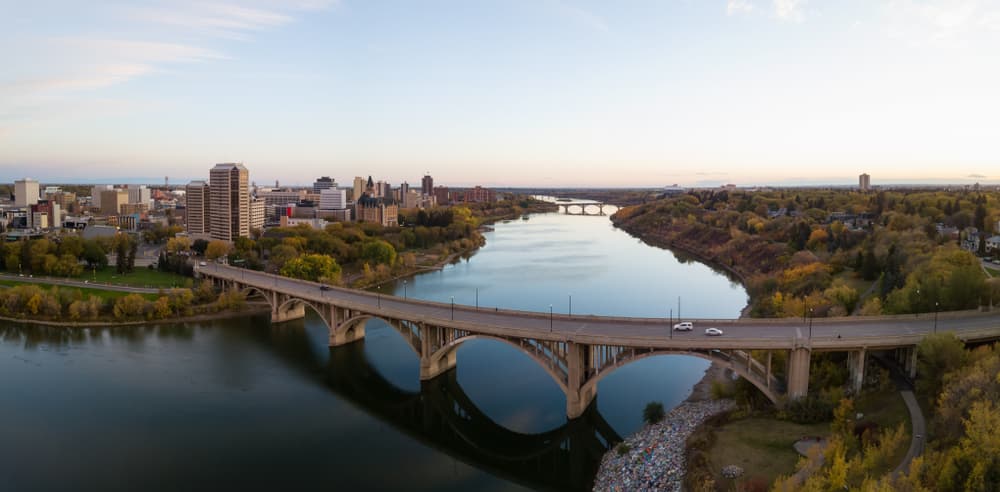
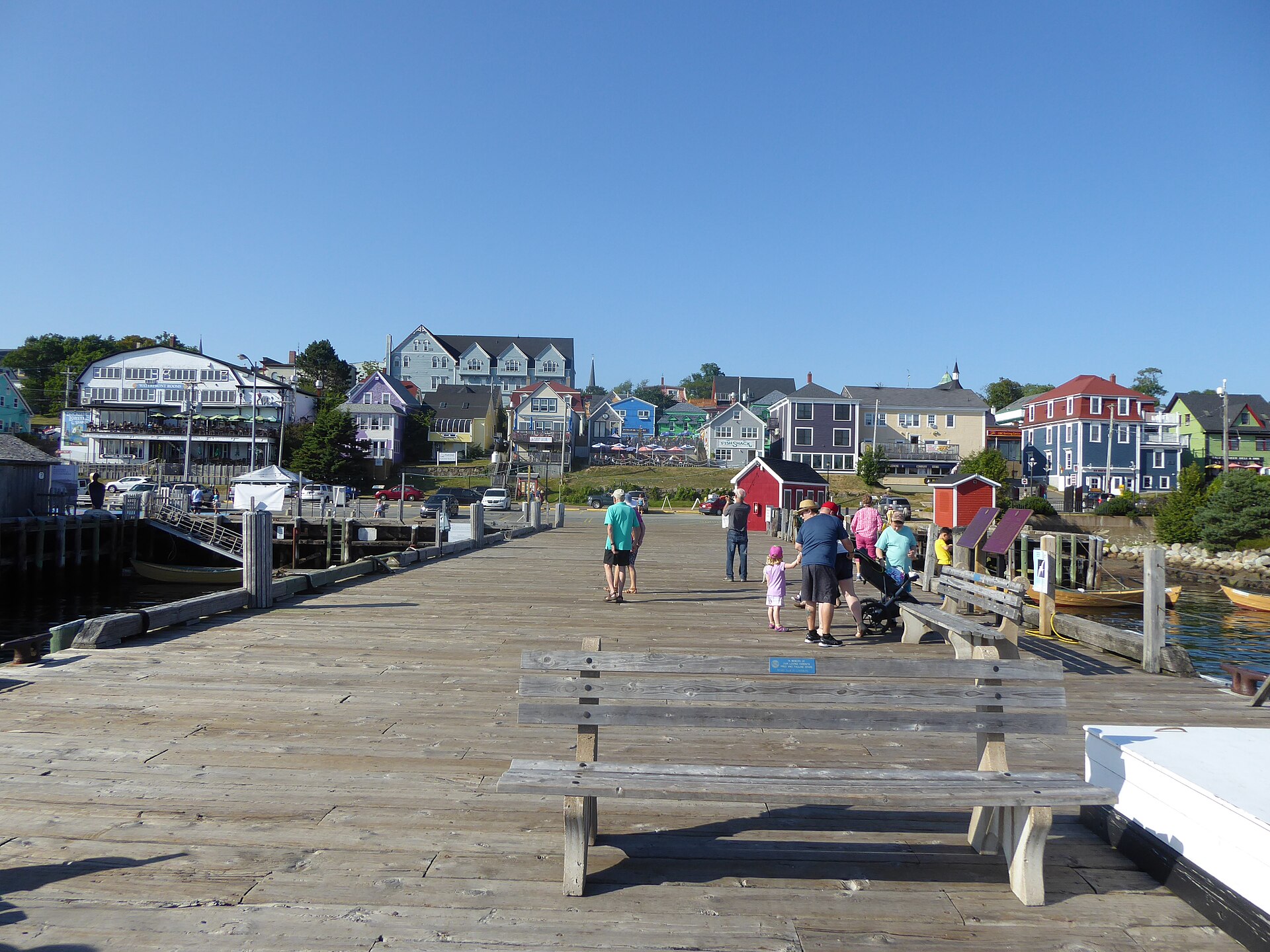
A prairie university city on the South Saskatchewan River, with seven bridges over it, a modern art gallery on the bank, and potash and farming underneath the whole economy. Summers are long and bright. Winter is the test: dry, still, and cold enough that block heaters are standard equipment.
Calgary
Gateway to the Rockies
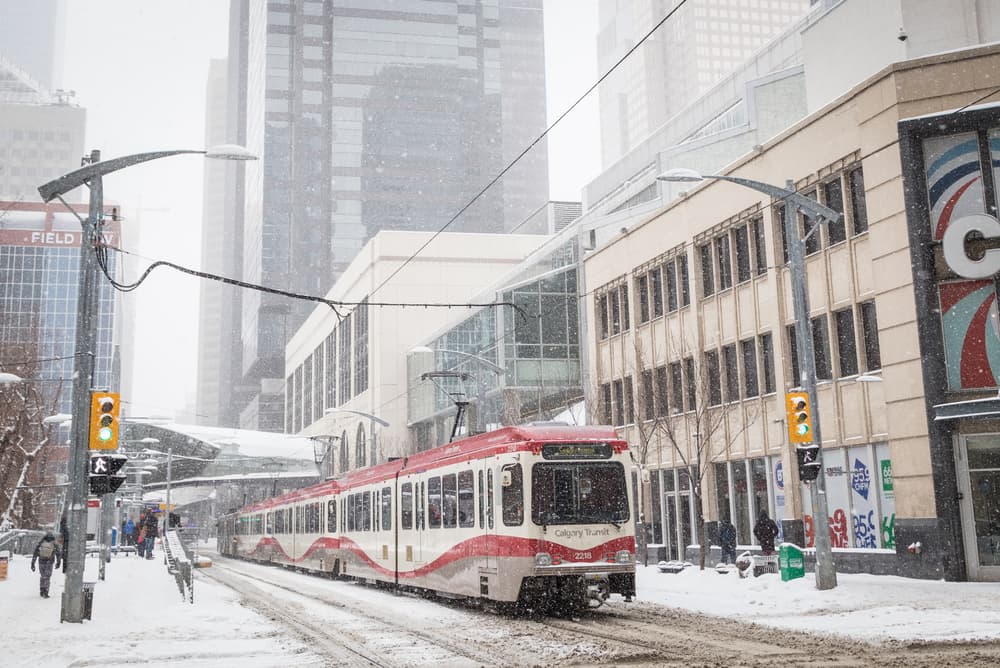
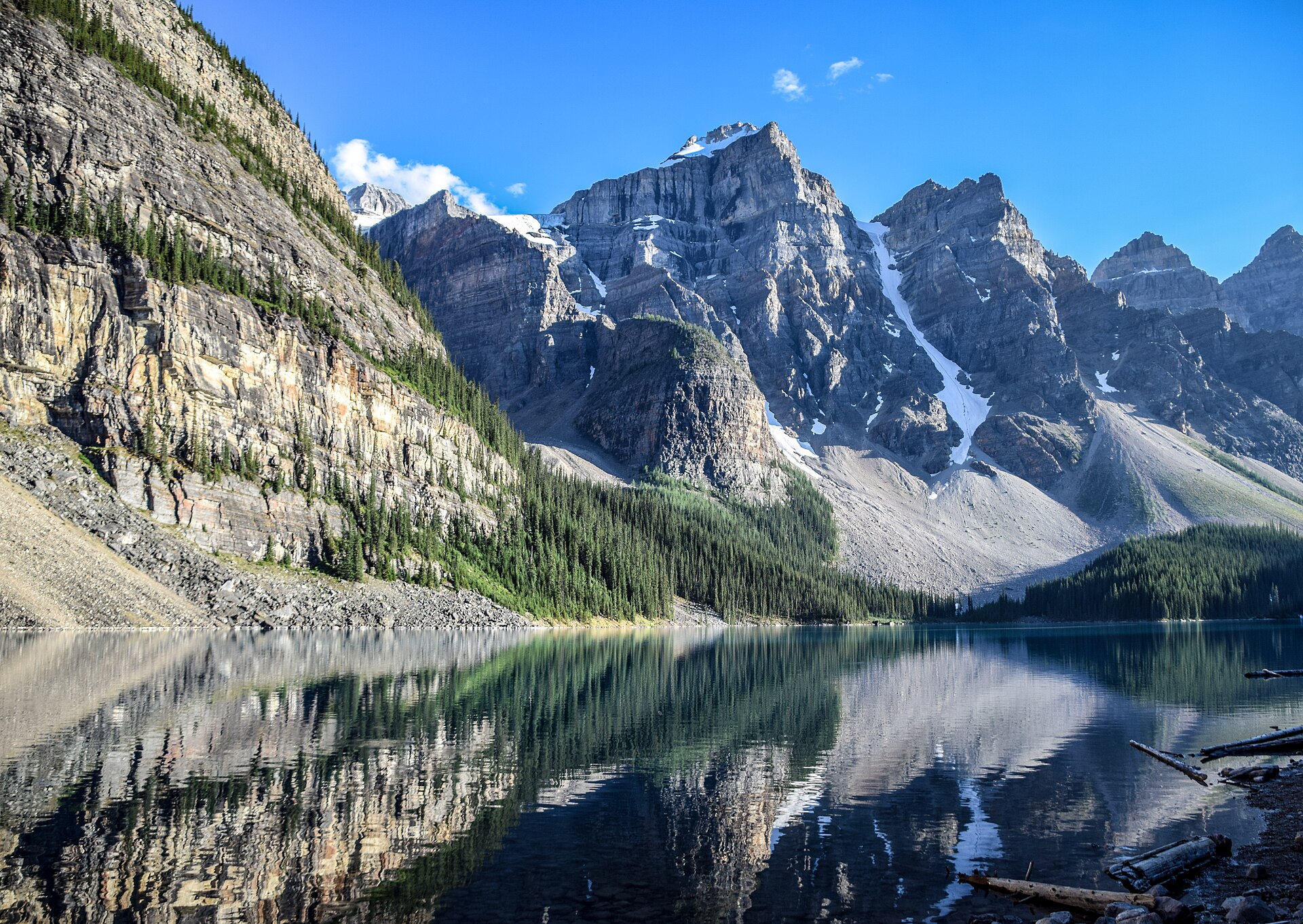
Banff is an hour west, the city is sunny and dry, and Alberta has no provincial sales tax. The economy still rises and falls with oil, and winter is long and cold, though chinook winds bring surprise thaws. Best for outdoorsy movers with a job lined up.

Winnipeg
Prairie capital
Manitoba's capital out on the prairie, with the Human Rights Museum, the market halls where the two rivers meet at the Forks, and a French quarter in St. Boniface that throws a winter festival. Housing runs a fraction of Toronto's. Winters hit thirty below, the mosquitoes are a summer legend, and crime rates are high for Canada.
Vancouver
Mountains meet the sea
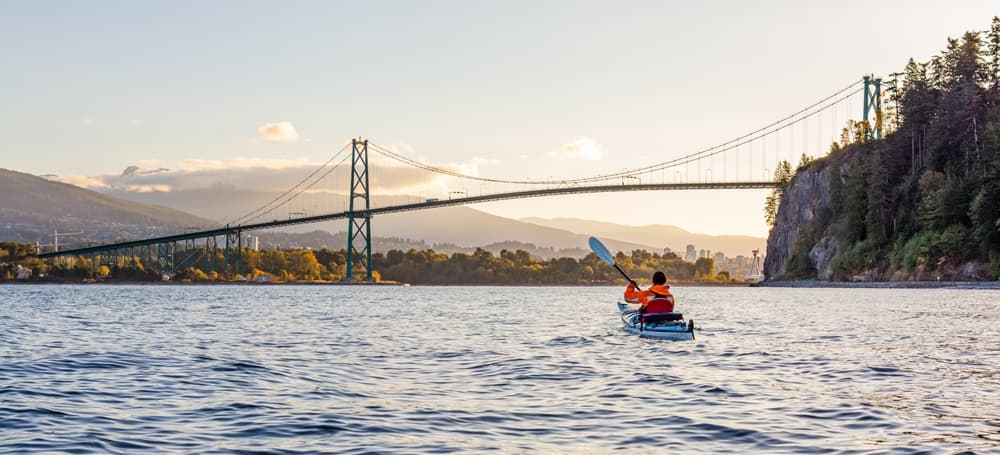
Canada's West Coast anchor, where glass towers meet snow-capped peaks and the sea. The province's job engine, strong in tech and a film industry big enough to earn the 'Hollywood North' nickname. What you pay for it is rent, which rivals Toronto's for the priciest in Canada. Winters are mild but rainy.

What it costs
Two governments, two separate bills
The province charges first, and the amounts are all over the map. Nova Scotia asks about $180, British Columbia about $1,260, and Ontario closer to $1,440. Several provinces let you sit in their pool for nothing, only billing you once they invite you to apply.
Then Ottawa charges about $1,145 per adult for the permanent residence application itself, plus about $61 a head for biometrics. Set aside more for a language test, educational credential assessment, medical exams and police certificates from every country where you've lived six months or more since you turned 18.
The dollar figures here sit on a September 2026 rate of about 72 US cents to the Canadian dollar. Governments bill in Canadian dollars, so the U.S number drifts while theirs doesn't.

Two applications, one paper trail
A nomination file and a federal file ask for much of the same proof; a mismatch between the two is what sinks applications. These partners work with Americans on both ends.

Master Immigration Services (Canada)
Canada Immigration
Master Immigration Services is a licensed Canadian firm that handles provincial nomination files and the federal permanent residence application that follows.

Legalize That Doc
Document Preparation
Legalize That Doc pulls apostilles, FBI background checks and certified translations, which is much of what a nomination file asks you to produce.

Amanda Franzoni
Canada Local Guide
Amanda Franzoni is a Canada relocation coach who helps newcomers choose a city and get set up once the paperwork clears.
Common questions
Do I need a job offer to get a Canadian provincial nomination?
Usually, yes. Most provincial streams are employer-driven, and Ontario went all the way there in June 2026 when it replaced its eight streams with one that requires a full-time permanent job offer. Saskatchewan is the main exception: its Occupation In-Demand and Express Entry sub-categories nominate skilled workers with no job offer and no ties to the province, as long as the occupation is on its list.
What does a PNP application cost?
You pay twice. Provincial application fees run from roughly $180 in Nova Scotia to about $1,260 in British Columbia and closer to $1,440 in Ontario, all set in Canadian dollars. The federal permanent residence application is about $1,145 per adult plus about $61 per person for biometrics. A language test, an educational credential assessment, medical exams and police certificates are separate.
Can I apply to more than one Canadian province at once?
Provinces run separate pools, so you can register an expression of interest in several at the same time. You can only act on one nomination, though. Once you accept one, withdraw from the others. Each province also charges its own application fee only after it invites you, so sitting in multiple pools is usually free.
Do I have to live in the province that nominates me?
You have to genuinely intend to, and since March 2026 the province is the only authority that judges that. Federal officers can no longer second-guess a province on intent to reside, which cuts one common reason applications were refused late. In practice provinces now look harder at your plan before they sign, so a real connection or a real job offer matters more than it used to.
Which Canadian province is easiest to get nominated by with no Canadian experience?
Saskatchewan, for most people. It scores you on its own 110-point grid instead of the federal CRS, needs 60 points to enter the pool, asks only CLB 4 language ability, and takes applications from abroad. It has 4,761 nominations for 2026 and holds at least half of them for health care, agriculture, skilled trades, mining, energy, manufacturing and tech.
How many points does a provincial nomination add to an Express Entry score?
600. Every other factor in the Comprehensive Ranking System combined also tops out at 600, so a nomination roughly doubles a competitive score and makes an invitation to apply near certain in the next relevant round. The catch is that only nominations issued through a province's Express Entry-aligned stream carry those points.
Is there a Provincial Nominee Program for Quebec?
No. Quebec selects its own economic immigrants under a separate agreement with Ottawa and issues a Quebec Selection Certificate rather than a nomination, with applications running through its Arrima portal and heavy weight on French. Nunavut has no nominee program either. The other eleven provinces and territories all run one.
How long does the Provincial Nominee Program take?
Two stages, and only the second one has an official clock. Getting nominated commonly takes three to nine months depending on the province and the stream. After that, Immigration, Refugees and Citizenship Canada averages about seven months on an Express Entry-linked file and about thirteen months on a paper one. Building the file first, with a language test and a credential assessment, adds a few more months.
Other ways into Canada
Citizenship by Descent
- A documented Canadian-citizen parent, grandparent, or earlier ancestor in your direct line
- Proof of that ancestor's Canadian citizenship (birth certificate, citizenship certificate, or naturalization record)
- An unbroken chain of birth/marriage/adoption records connecting you to that ancestor
Express Entry
- Eligible under Federal Skilled Worker, Canadian Experience Class, or Federal Skilled Trades
- Language proficiency (English/French)
- Educational credential assessment
Start-up Visa
- Qualifying business
- Letter of support from designated organization
- Proof of funds
Study Permit
- Letter of acceptance from a designated learning institution
- Proof of funds
- Clean criminal record
Work Permit
- Job offer from a Canadian employer
- Labor Market Impact Assessment (LMIA) in most cases
- Proof of qualifications
Which province, or which country?
Answer a few questions and see where your work, your money and your family actually fit.
Why not you?