Move to Canada as a skilled worker
Express Entry is Canada's points-based fast track to permanent residence, no job offer required to start.
It ranks skilled workers on a points score, then invites the top ones to apply for permanent residence.


One profile, several ways in
Express Entry isn't one visa. It's the overall system behind three federal programs: Federal Skilled Worker, Canadian Experience Class, and Federal Skilled Trades. You build one profile, get a score, and wait to be invited. A provincial nomination runs through it, too, and adds 600 points.
The numbers that matter
6 months
IRCC's target once you're invited
then you're a PR
+600
CRS points a provincial nomination adds
near-guaranteed invite
CRS 438
How low a 2025 healthcare draw closed
general draws topped 500
CAD 1,525
Government fees for the main applicant
before tests and medical

Home care is a fast lane
Canada is aging fast and short on skilled care workers, especially home healthcare. Express Entry holds draws just for healthcare and social services, and they close at far lower scores than the general rounds.
- Nurse aides, orderlies, and home support workers qualify
- The separate Home Care Worker pilots filled up in hours
Express Entry
A points-based system for skilled workers. Candidates create an online profile and are ranked against others. Top candidates are invited to apply for permanent residence. Canada plans to welcome 41,700 Federal High Skilled immigrants in 2025.
- Government cost
- $1,325
- Processing time
- ~180 days
- Timeline
- 6 months or more
- Difficulty
- Hard
Key requirements
- Eligible under Federal Skilled Worker, Canadian Experience Class, or Federal Skilled Trades
- Language proficiency (English/French)
- Educational credential assessment
- Proof of funds
- Clean criminal record
- Medical exam

Tech worker? Watch the provinces
Ottawa paused its federal STEM draws in 2025 and cut software and data roles from the list. So most tech workers get in another way: general draws, Canadian Experience Class, or a province's own tech stream. British Columbia, Alberta, and Ontario each run their own draws.



Get it right the first time
Canada's Express Entry is picky about paperwork. These partners help Americans line up the documents and the move.

Master Immigration Services (Canada)
Canada Immigration
Master Immigration Services handles Canadian PR files, profile through to the final application.

Legalize That Doc
Document Preparation
Legalize That Doc handles apostilles, FBI background checks, and certified translations.

Amanda Franzoni
Canada Local Guide
Amanda Franzoni, a Canada relocation coach, helps you pick a city and settle in.
Demand varies by province
Where the jobs are

Toronto
Jobs and big-city life
Canada's largest city and financial engine, and the deepest job market in the country. It's diverse, walkable in the core, and endlessly connected, but it's also the priciest place to rent, with one-bedrooms running CAD 2,200 to 3,200. Love it if your paycheck can handle it.

Calgary
Gateway to the Rockies
Banff is an hour west, the city is sunny and dry, and Alberta has no provincial sales tax. The economy still rises and falls with oil, and winter is long and cold, though chinook winds bring surprise thaws. Best for outdoorsy movers with a job lined up.

Winnipeg
Prairie capital
Manitoba's capital out on the prairie, with the Human Rights Museum, the market halls where the two rivers meet at the Forks, and a French quarter in St. Boniface that throws a winter festival. Housing runs a fraction of Toronto's. Winters hit thirty below, the mosquitoes are a summer legend, and crime rates are high for Canada.
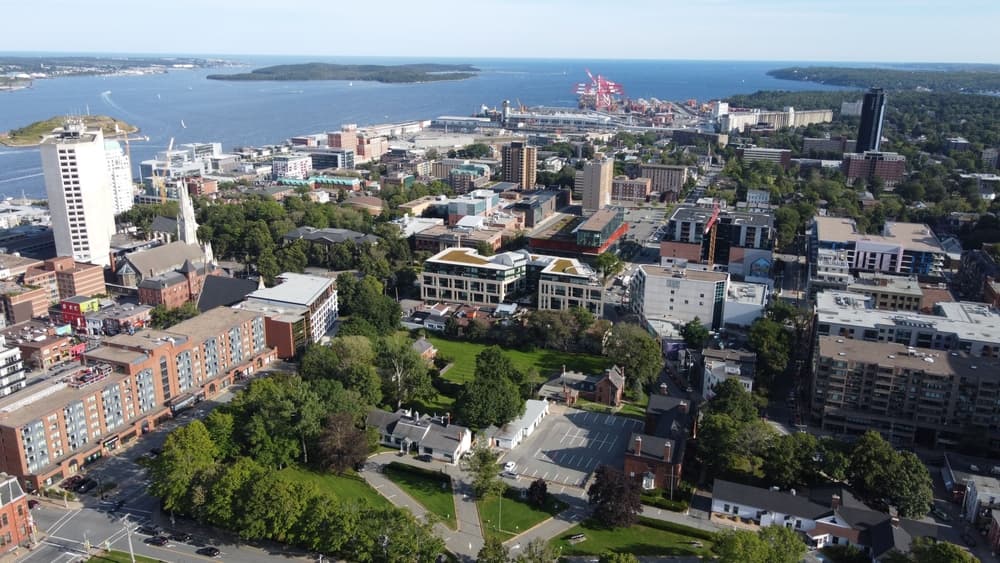
Halifax
Atlantic port city
The Maritimes' one real city, built around a working harbor, with six universities, an oyster and lobster coast, and beaches and fishing villages half an hour out. Winters are the mildest in Atlantic Canada. Housing got tight fast here, and the rest of the country is a long way west.
Common questions
I work in tech. Is there still a path?
Yes, just not a federal STEM draw right now. Ottawa paused those in 2025. Most tech workers come through general or Canadian Experience Class draws, or a provincial tech stream in British Columbia, Alberta, or Ontario. A nomination adds 600 points to your score.
Can my family come with me?
Yes, your spouse and dependent children go on the same application and become permanent residents with you. Your spouse can work in Canada, and your kids can attend public school.
How do the healthcare draws work?
IRCC filters the pool to people with recent experience in an eligible healthcare or social services job, then invites the top scorers. Nurse aides, orderlies, personal support workers, and home health aides are on the list. You'll still need a full Express Entry profile and a score above that draw's cutoff.
How long does it take?
Once you're invited and submit a complete application, IRCC aims to process it in about six months. Building your profile, sitting a language test, and getting your credentials assessed can add a few months before that.
Do I need a job offer for Express Entry?
No, you can enter the pool and get invited without one. A valid job offer can add points, but plenty of people are invited without it. Your Express Entry score is what matters most.
What does it cost?
Government fees run about CAD 1,525 for the main applicant, plus CAD 85 for biometrics. Budget more for your language test, credential assessment, and medical exam. A single applicant also has to show around CAD 15,263 in settlement funds unless you're already working in Canada.
What is a CRS score, and what do I need?
The Comprehensive Ranking System scores you on age, education, work experience, and language ability. General draws in 2025 mostly sat above 500, but category draws like healthcare have closed much lower, in the 430s to 470s.
Other Canadian visas
You might already be Canadian, eh?
A 2025 law reopened citizenship by ancestry. A Canadian parent, grandparent, or great-grandparent may be all it takes.
Let a Canadian province pick you
The Provincial Nominee Program gives eleven provinces and territories their own say over who becomes a permanent resident. A nomination is worth 600 points, and Canada set aside 91,500 spots for 2026.
Canada's Start-up Visa Is Paused
IRCC stopped taking applications on June 30, 2026 and promised a new entrepreneur pilot instead. Here is where that leaves American founders.
How Americans get a Canadian study permit
A province has to hold a seat for you before Ottawa will even look at your file. Here's what that costs, what you can earn, and what the permit turns into after you graduate.

Not sure Canada's your best move?
Speak to our onboarding team and find your visa path.
Why not you?