Retiring to Bulgaria starts with a Type D visa
Americans get 90 visa-free days. Anything longer needs a Type D from a Bulgarian consulate on US soil, and that visa is only the door. The residence card comes afterwards, inside Bulgaria.
Bulgaria has the EU's lowest cost of living and a flat 10 percent income tax, so the money math is the easy part. The paperwork is where people lose months. Here's the order it happens in.
The Type D at a glance
6 months
How long a Type D visa runs
180 days of stay inside it
100 euros
Consular fee for the long-stay visa
about $115 in September 2026
18 months
Passport validity Bulgaria asks for
plus two blank pages
1 year
Your first residence card
renewed every year after that

How it works
Two stages, and the visa is only the first
The 90 days you already have
A U.S. passport gets you in with no visa at all. Bulgaria joined Schengen in full in January 2025, so those 90 days in any 180 are now shared with the whole zone. Two months in France leaves you one in Bulgaria. Note that those days don't convert. You can't land as a visitor and upgrade from the inside.
Stage one happens on US soil
A Bulgarian consulate in the United States issues the Type D, in person, no earlier than three months before you travel. There's the embassy in Washington plus consulates general in New York, Chicago and Los Angeles. Your state decides which one is yours.
Stage two happens in Bulgaria
The visa only gets you through the door. Once you're there, register your address within five days and file with the Migration Directorate for your residence card.
Type D Visa (Long-Stay)
Required for stays longer than 90 days for work, study, or other long-term purposes.
- Government cost
- $100
- Processing time
- ~30 days
- Timeline
- Over 90 days
- Difficulty
- Moderate
Key requirements
- Completed visa application form
- Valid passport
- Passport photos
- Proof of purpose (work contract, study acceptance, etc.)
- Proof of accommodation
- Proof of financial means
- Health insurance
- Criminal background check
About that data card
The timeline line reads "Over 90 days," which isn't a length. It's the trigger, the point past which you need one. Bulgaria's foreign ministry puts the visa itself at up to six months. The fee is set in euros, at 100, so the dollar figure sits nearer $115. Nothing on the card mentions retirement because the Type D isn't one visa for one purpose. It's one visa with roughly eighteen legal grounds under it, and pensioners are ground number 10.
The pensioner ground
Three things only retirees have to prove

Retirement is a named route in Bulgarian law, Article 24(1)(10) of the Foreigners Act. The rest of the file looks like everyone else's.
Proof that you have a pension
A letter from whoever pays it. For most Americans, that means the Social Security Administration's benefit verification letter. Like every U.S. document in the folder, it needs an apostille and certified Bulgarian translation.
A Bulgarian bank account, opened first
The foreign ministry asks for a document from a bank inside Bulgaria confirming you hold an account for the pension to be paid into. Read that again. The account must exist before the visa does, and you're opening it from America.
Enough money, measured against Bulgaria's floor
There's no published minimum pension for this route. The law asks for means at least equal to Bulgaria's minimum wage or minimum pension for the length of your stay, and the visa sheet wants six months of it in the bank. At the 2026 minimum pension of 347.51 euros a month, that's about 2,085 euros, or roughly $2,400.
The rest of the folder
Insurance worth 30,000 euros
From an EU-licensed insurer, covering repatriation and emergency hospital treatment.
An address, notarized
A lease alone won't do. The owner signs a notarized declaration letting you register there.
Apostille, then translation
Every U.S. document needs an apostille and a Bulgarian translation. One without the other gets rejected.
A police clearance certificate
Issued where you live now, and generally dated within the last six months.
Five days to register
Register with the municipality after you land. Hotels handle it; a rented flat is on you.
File the renewal 30 days early
Leave it later and a gap can open in your status, resetting the residence clock.
Here's the catch
A visa is not a status
The Type D expires. Land without filing and you're out when the 180 days run down, back at a U.S. consulate starting over. Everything you actually want from Bulgaria comes from the card.
In year one you're probably buying your own coverage
Bulgaria's public health fund attaches to long-term and permanent residents. A pensioner on a first annual card usually sits outside it and carries a private policy instead. Bulgarian plans run roughly 30 to 80 euros a month, so this is an annoyance rather than a deal breaker.
The clock punishes travel
Five years of continuous residence earns permanent status, and five years after that you can apply for citizenship. But six straight months away, or ten months in total across those five years, and the count starts again. Anyone planning long American summers should run that arithmetic first.
Where your retirement income gets taxed
There's been a US-Bulgaria tax treaty in force since 2008, and its Article 17 splits retirement income in a way that catches people out. Social Security is taxable only in the United States, even once you're living in Sofia full time. A private pension or an IRA withdrawal goes the other way and lands in Bulgaria, where the rate is 10 percent. None of it starts until you're tax resident, which takes 183 days in a rolling twelve months or a life visibly based there. You file in the U.S. regardless.
If the pensioner ground isn't yours
One visa, many doors, and the door you pick decides the file. Still working for a U.S. employer? Bulgaria opened a digital nomad permit in December 2025: one year, renewable once, with the income bar pegged at 50 times the monthly minimum wage, about 31,000 euros for 2026. A job with a Bulgarian company goes through the Single Permit or the EU Blue Card instead. A spouse or child of someone already resident comes in on family reunification.
Two routes people ask about and shouldn't bank on: buying property doesn't hand you residency, and citizenship by investment was scrapped in 2022.
Weighing Bulgaria against the rest of Europe? Our retirement visa hub lines the income floors up side by side, and the Bulgaria guide covers cost of living, healthcare and the switch to the euro.
The parts worth outsourcing

ExpatInsure
Global Health Insurance
The visa wants proof before you fly and the renewal wants it again. Ask what happens in the gap between landing and getting into the Bulgarian system.

Moneycorp
Currency Exchange
Bulgaria wants the pension paid into a Bulgarian account, so this transfer is monthly and permanent. Small differences in spread add up over a retirement.

Flamingo Compliance | Tax Residency and Visa Tracker Platform
Tax Residency and Visa Tracker Platform
Tax residency turns on 183 days, and the absence rule that protects your five-year clock turns on days too. Long American summers need tracking.
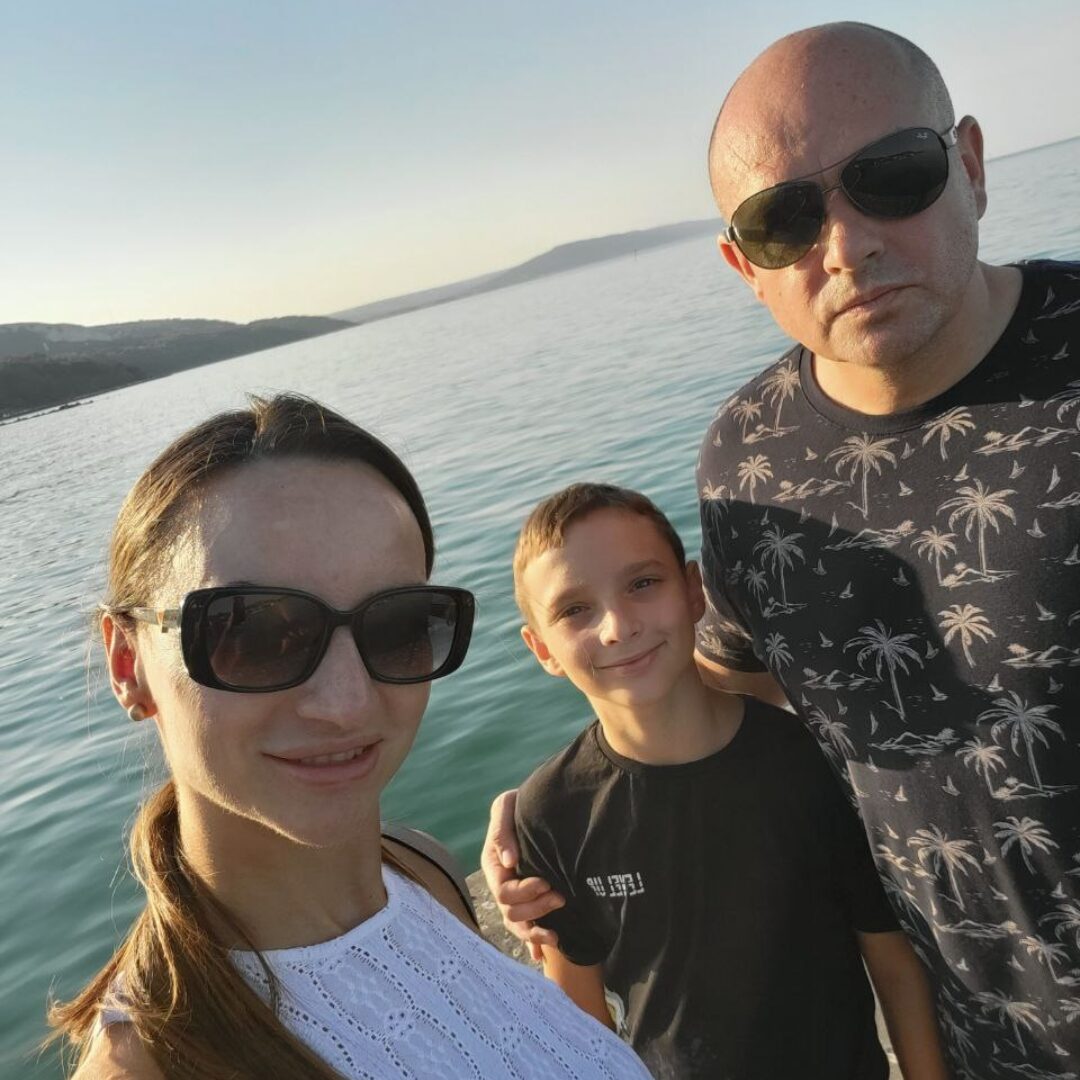
Boris Borisov
Bulgaria Local Guide
Boris is Bulgarian and renovates houses for a living, in ski towns and coastal ones. Ask him early: foreigners can own an apartment, but not land.
The awkward questions
Do Americans need a visa to retire in Bulgaria?
Yes, for anything longer than a visit. A US passport is good for 90 days in any 180 with no visa, but that allowance is shared across the Schengen area and it cannot be turned into residency once you are inside the country. Living there means a Type D visa, applied for before you fly, and then a residence card after you arrive.
How much income do I need to retire in Bulgaria?
Bulgaria publishes no pension minimum for this route. The legal standard is that your means match the country's own floor, meaning its minimum wage, or its minimum pension, for as long as you intend to stay. In practice the checklist wants six months of that already sitting in a Bulgarian account, which against the 2026 minimum pension is about 2,085 euros, roughly $2,400. Consulates weigh the whole file, so more is safer.
Am I covered by Bulgarian public healthcare in year one?
Usually not at first. The national scheme only takes you in once you hold long-term or permanent status, so a retiree holding an annual card is normally outside it. That hurts less than it sounds: the visa already demands a private policy worth 30,000 euros, and domestic Bulgarian plans are cheap by American standards. Keep one running until your status upgrades.
Can I apply for the Type D visa once I'm already in Bulgaria?
No. Only Bulgarian missions abroad issue it, so Americans file in person at whichever embassy or consulate general covers their state, and they do it before they travel. Arriving on the visa-free 90 days and trying to convert from the inside is not a route that exists.
How long does the whole process take, start to finish?
Budget three to six months. Collecting apostilles and certified translations eats several weeks on its own, the published consular window runs to 30 business days, which is about six weeks in practice, and some US posts have taken considerably longer. The residence card then adds a few more weeks after you land.
Will Bulgaria tax my Social Security?
No. Under Article 17 of the 2008 US-Bulgaria tax treaty, social security payments are taxable only in the country paying them, so American benefits stay taxable at home. Private pensions and IRA withdrawals work the other way and fall to Bulgaria's flat 10 percent once you are tax resident there. You file a US return regardless, so take this one to a cross-border preparer.
How many years before I could get a Bulgarian passport?
Ten at the earliest. Five years of continuous residence on annual cards makes you eligible for permanent residence, and five more years of that opens the door to citizenship, along with a basic Bulgarian language requirement. Long absences reset the count, so those ten years only add up if you genuinely live there.
Is Bulgaria the right place for your retirement?
Answer a few questions and see how it scores against the places you're weighing.
Why not you?