Bulgaria's EU Blue Card: an EU work permit at Bulgarian wages
One Bulgarian job offer near 2,050 euros a month buys a residence card good for up to five years, a 10% flat tax and no test of the local job market first.
If your Bulgarian salary sits half again above the national average wage, you're in the running. That's a low bar by European standards, for a plain reason: Bulgarian wages are low. So: what the card gets you, what it costs, and where it gets awkward.
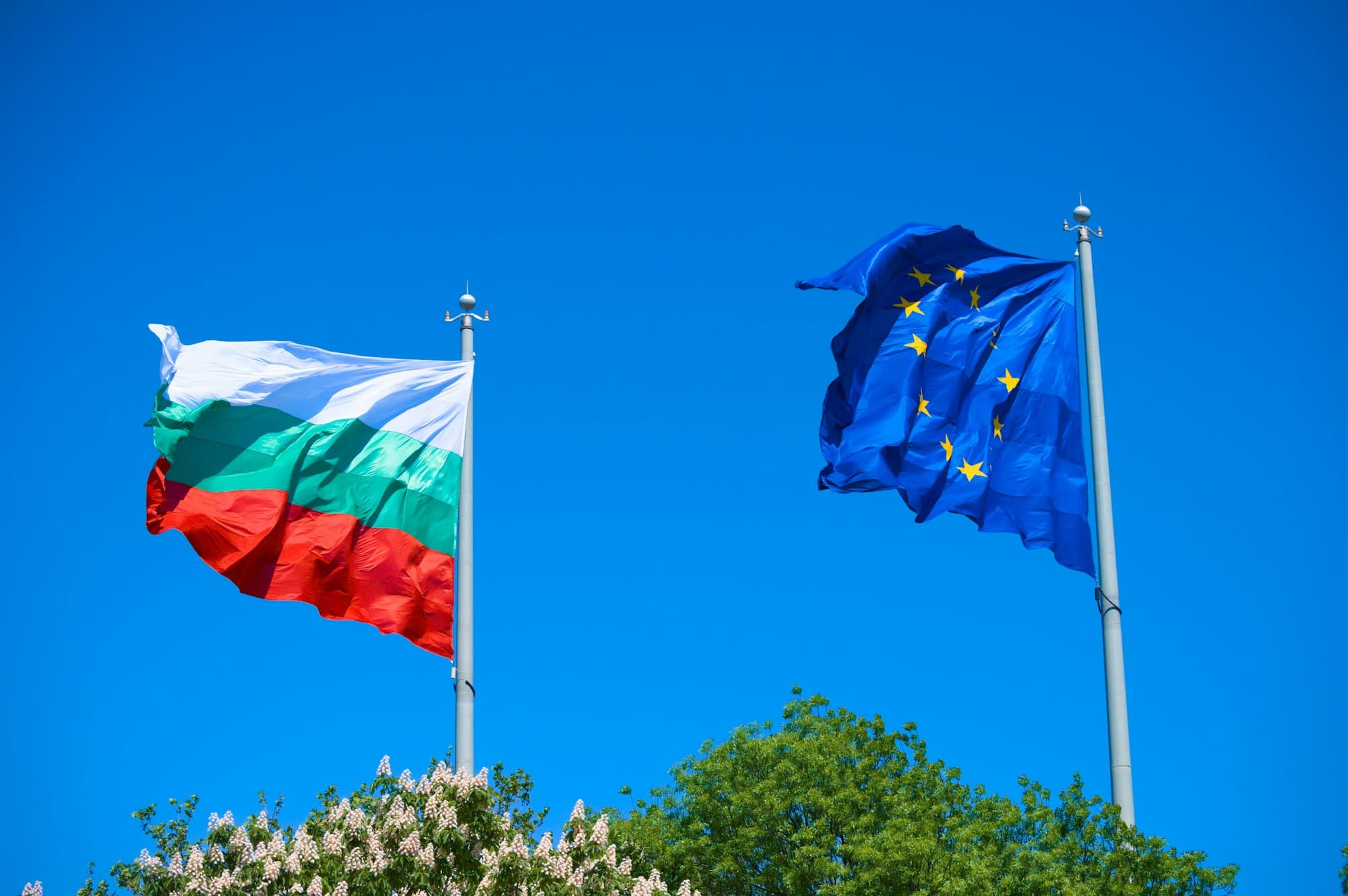
- Capital
- Sofia
- Language
- Bulgarian
- Internet speed
- 50 Mbps
- Safety index
- 65/100
What it takes
A degree, a contract, and a salary pegged to Bulgarian wages

Bulgaria sets its own terms under the Labour Migration and Labour Mobility Act.
The salary bar, and why it keeps moving
Your gross pay has to be at least 1.5 times the average gross wage in Bulgaria. Published 2026 guidance puts that near 2,050 euros a month, or about 24,650 a year. Call it $2,360 a month. It isn't fixed in law: it tracks whatever the National Statistical Institute last measured, and Bulgarian wages climbed about 13% in the year to spring 2026. Treat any figure you read, ours included, as this quarter's.
Three ways to prove you're qualified
A degree that took at least three academic years is the usual one. Bulgaria also accepts documented experience for roles on its approved list, which covers IT, and five years of comparable experience for roles that aren't on it. A self-taught engineer has a way in.
The step that eats the calendar
Your contract has to run six months or more. You'll need health insurance, a criminal record certificate and a documented address. Every American paper in that stack needs an apostille and a certified translation, which is what quietly takes a month.
Cost, clock and salary floor
$2,360
Minimum salary, a month
About 2,050 euros gross, 1.5x the national average
$63
State fee for the card
About 55 euros, and a renewal costs the same
Up to 5 years
How long the card runs
Short contracts get their own length plus three months
3 to 4 months
Offer to first day at work
Law caps the decision alone at three months
EU Blue Card
For highly skilled workers with a job offer in Bulgaria.
- Government cost
- $320
- Processing time
- ~45 days
- Timeline
- Up to 4 years (renewable)
- Difficulty
- Moderate
Key requirements
- University degree or 5 years professional experience
- Employment contract with salary at least 1.5x average
- Valid passport
- Health insurance
- Clean criminal record
About that data card
Three lines on that card are off, and we've asked for the fix. The $320 isn't the fee: Bulgaria charges about 55 euros, roughly $63, and the same to renew, though the Type D visa adds around 100 euros. Validity runs to five years, not four, since Bulgaria raised the ceiling in 2023. Last, 45 days undersells the wait because national law allows three months for the decision alone before the consulate and the plastic card.
The money you keep
Ten percent, and the line underneath it
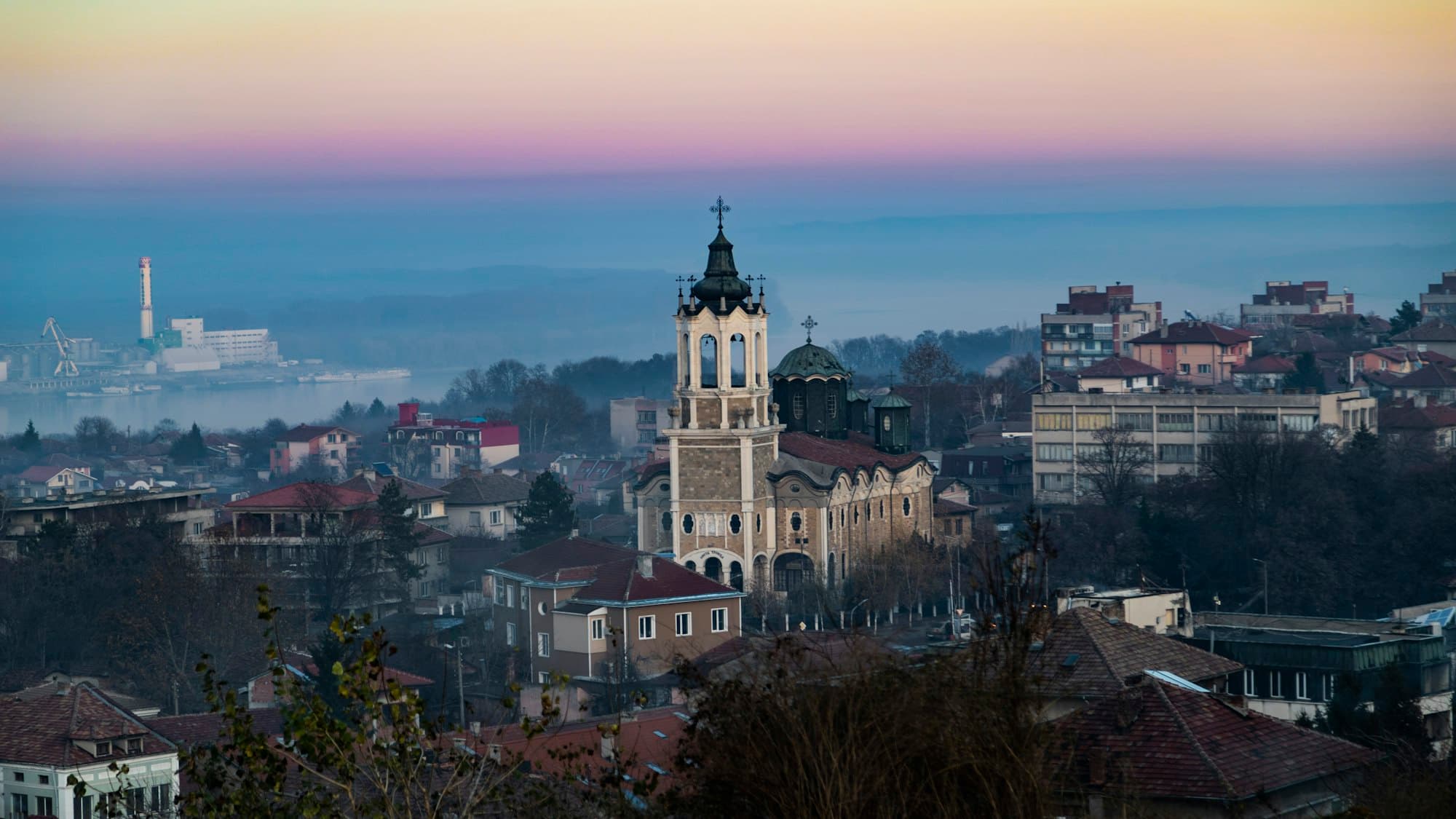
Bulgaria taxes personal income at a flat 10%, and has done since 2008. It's the joint-lowest rate in the EU, and every recruiter leads with it. It isn't your whole bill, though.
The part that comes off first
Social security and health contributions come off your gross before the 10% is worked out, and the employee share runs about 13.78%. Run that on pay sitting at the Blue Card floor and roughly 22% of it is gone. Still good. Just not ten.
Where the ceiling changes the math
Contributions stop at a capped monthly income, about 2,300 euros in the second half of 2026. The Blue Card floor sits just under that ceiling, so floor-level pay is almost all inside the contribution base. Earn past it and the extra is taxed at 10% and nothing else: someone on 5,000 euros a month keeps closer to 84%.
What Washington still wants
An income tax treaty since 2008 means the same salary won't be taxed twice. There's no Social Security agreement, though: years paying into the Bulgarian system will never count toward a U.S. record, and your American credits won't count in Sofia.
Upsides worth naming
Nobody advertises your job first
The ordinary Bulgarian work permit makes the employer post the vacancy for 15 days.
Paid in euros, not levs
Bulgaria joined the euro in January 2026, so contract and savings sit in one currency.
No border stop across the EU
Bulgaria finished joining Schengen in January 2025, so the card travels like a German one.
Public health coverage off the payslip
Blue Card holders must be in the national health fund, bought by the 8% contribution.
Family joins on a shortened track
Spouses and children come through a simplified reunification procedure.
Bulgarian years count EU-wide
Long-term EU status takes five years of EU residence, two of them Bulgarian.
Here's the catch
The bar keeps moving and the card barely does
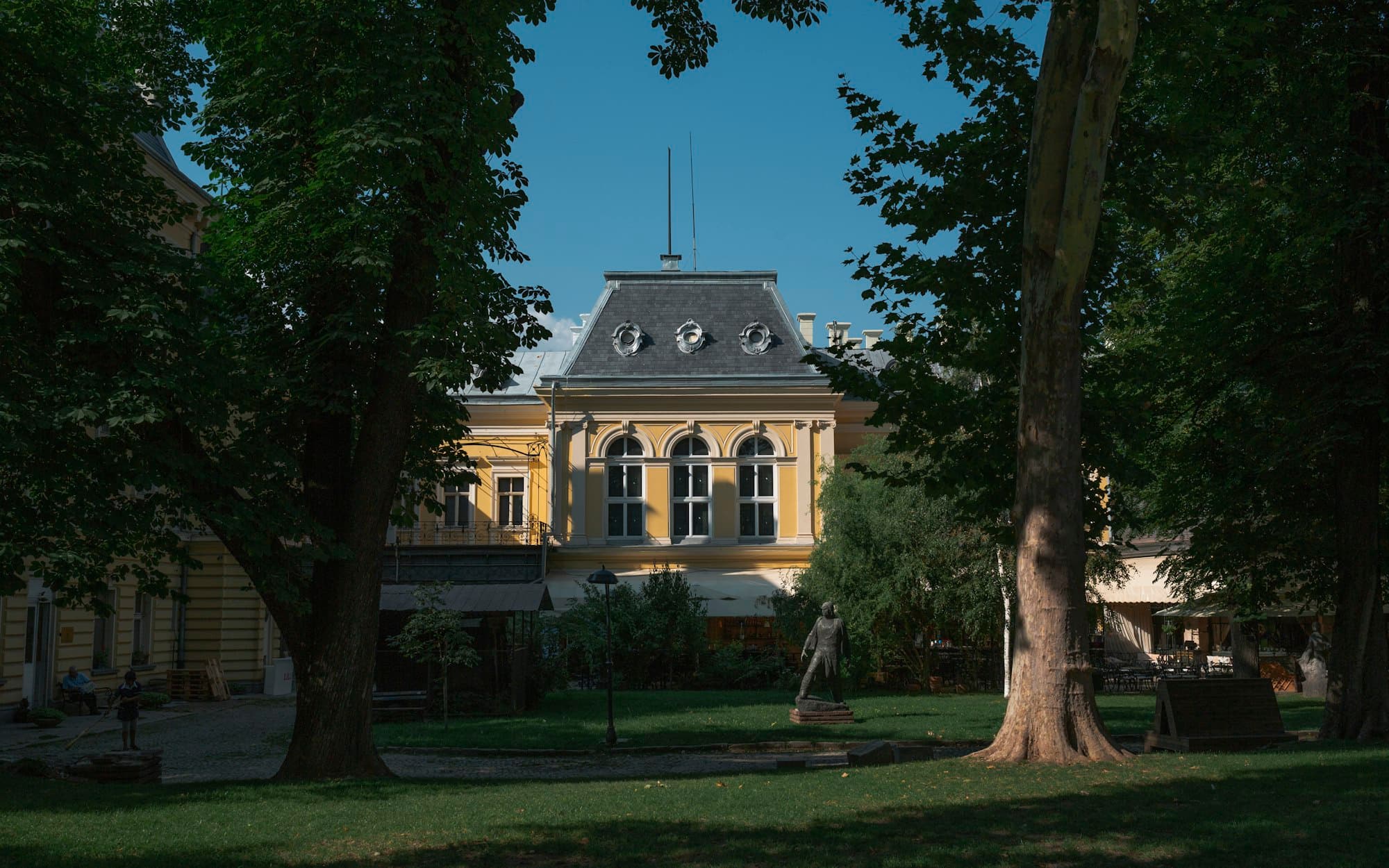
Your salary has to keep climbing
The threshold is a multiple of the national average, and that average is climbing quickly. Pay that clears the bar today can be marginal at renewal. Have that conversation before you sign, not three years later.
Switching jobs is harder than the statute sounds
For the first 12 months, you can only change employers with the Migration Directorate's permission. After that, the law says a notification will do. Fragomen, which files these for corporate clients, reported in 2026 that no working mechanism for it exists yet, so people file fresh applications and risk an employment gap. The same report says a new job title or moved office usually can't be recorded until renewal.
You can't file this one from a Sofia cafe
Your employer starts the file in Bulgaria. Once it clears, you've got a short window to book a Type D visa appointment at a Bulgarian consulate, then fly in and register within 14 days. Ninety visa-free Schengen days don't convert into anything.
Your employer is the one getting checked
This isn't really your application. The company files it, and the Employment Agency reviews the company as closely as the candidate: unpaid obligations to the revenue agency and penalties from the labor inspectorate both surface. A small firm with a messy record is a bigger threat to your start date than anything in your own paperwork.
If this isn't your route
The other doors into a Bulgarian payroll
The Blue Card only works if you already hold a qualifying offer at a qualifying salary. Our country guide covers Bulgaria's other routes properly.
The Single Permit is the ordinary employee route: work and residence in one document, up to three years, and the employer does have to advertise the job locally for 15 days first. An intra-corporate transfer moves you from a parent company abroad into a Bulgarian entity, also up to three years. Bulgaria's digital nomad permit opened in December 2025 and is a different animal: your employer or clients have to sit outside the EU, it lasts a year and renews once, and the time doesn't build toward permanent residence.
Weighing Bulgaria against other countries? Our work visa hub lines up the salary floors side by side.
Who to bring in, and when
Plan-B Outbound Migration
Multi-Country Visa Support
Multi-country visa support, run from the American end. Worth a call for the consular leg in particular: once the employer approval lands, the window to secure a Type D appointment is short.

Boris Borisov
Bulgaria Local Guide
Boris is Bulgarian, came home after years working across western Europe, and reads the housing market from inside. The card wants a documented address, and a lease the Migration Directorate accepts isn't a handshake deal.
MyExpatTaxes
U.S. Expat Tax Service
A Bulgarian payslip doesn't end your American filing. The wrinkle to sort in year one is retirement: with no Social Security agreement between the two, contributions on one side never credit the other.
What people ask before they say yes
How long before I can actually start the job?
Bulgarian law caps the decision itself at three months, and the Migration Directorate generally works inside 60 days. Add document legalization, the consular visa and the card printing, and a realistic offer-to-first-day timeline is three to four months.
How much do I need to earn for a Bulgarian EU Blue Card?
At least 1.5 times Bulgaria's average gross wage. Published 2026 guidance puts that near 2,050 euros a month, about 24,650 a year, or roughly $2,360 and $28,350. It follows National Statistical Institute data and climbs as Bulgarian wages do, so confirm the current number.
Does a Bulgarian EU Blue Card let me work in Germany or Spain?
Not straight away. After 12 months on a Bulgarian Blue Card you can apply in a second EU country under the mobility rules. Short work trips of up to 90 days in any 180 are allowed before that.
Can an American apply for a Bulgarian Blue Card from inside Bulgaria?
No. The employer files first in Bulgaria. Once that clears, the Type D long-stay visa has to be collected from a Bulgarian consulate on US soil before you fly, and the card itself is issued after you land and register. Sitting in Bulgaria on 90 visa-free Schengen days doesn't let you switch.
If I get laid off, do I have to leave Bulgaria?
Not on day one, but the clock is real, because the card is tied to qualifying employment. Your employer must tell the Migration Directorate within three days of the contract ending. Changing employers inside the first year needs the directorate's approval, and firms reported in 2026 that the post-year notification route still wasn't working.
Do I need a university degree?
Usually, and it has to be a program of at least three academic years. Bulgaria also accepts documented experience for roles on an approved list that includes IT, and five years of comparable experience for roles outside it. Diplomas need an apostille and a certified translation.
Does Bulgaria really tax income at 10%?
Ten percent is the genuine income tax rate and has been since 2008. Social security and health contributions are separate, though, and the employee share is about 13.78% of gross. On pay at the Blue Card minimum the combined bite is nearer 22%.

Weighing a Sofia offer against somewhere else?
Feed the Expatsi Test your salary, your family and your priorities, and see where the numbers land.
Why not you?