Antigua's fast permanent residency costs $20,000 a year
Show $100,000 of income, keep a home on the island, be there 30 days a year and pay a flat tax. The slower permit asks for two to four years of living there instead.
Antigua has no retirement visa. It has two permits that share one name and almost nothing else. One is a tax arrangement you buy. The other is a status you earn by living here.
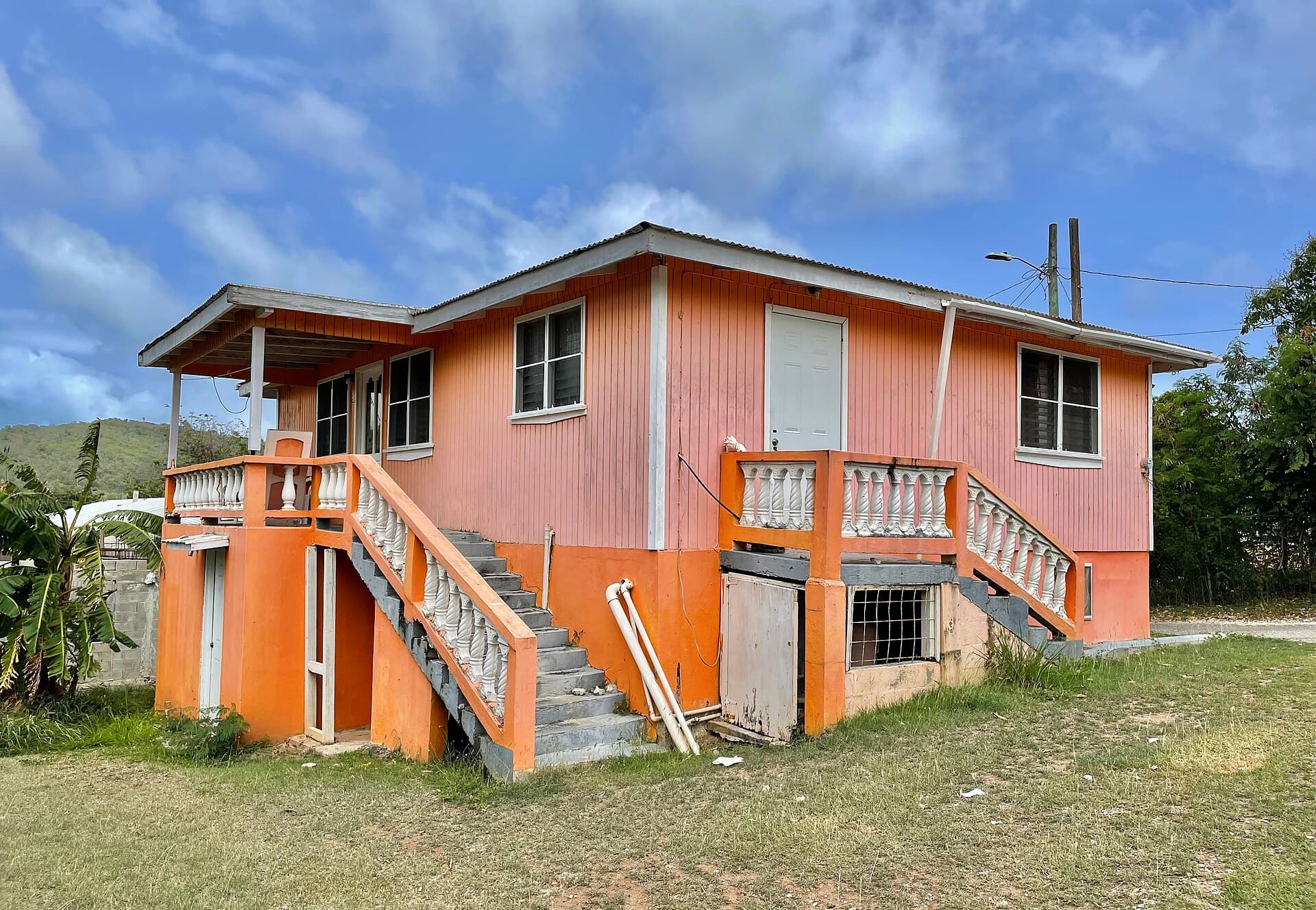
What each permit wants from you
$100,000
Income you declare for each year, on the fast route
whether a pension counts is the open question
$20,000
Flat annual tax that replaces income tax
in a country that charges none
30 days
Time on the island each year to keep the certificate
instead of the usual 183
2 to 4 years
Residence first, if you go through Immigration
two years for retirees who own a home
The difference
One name, two completely different deals
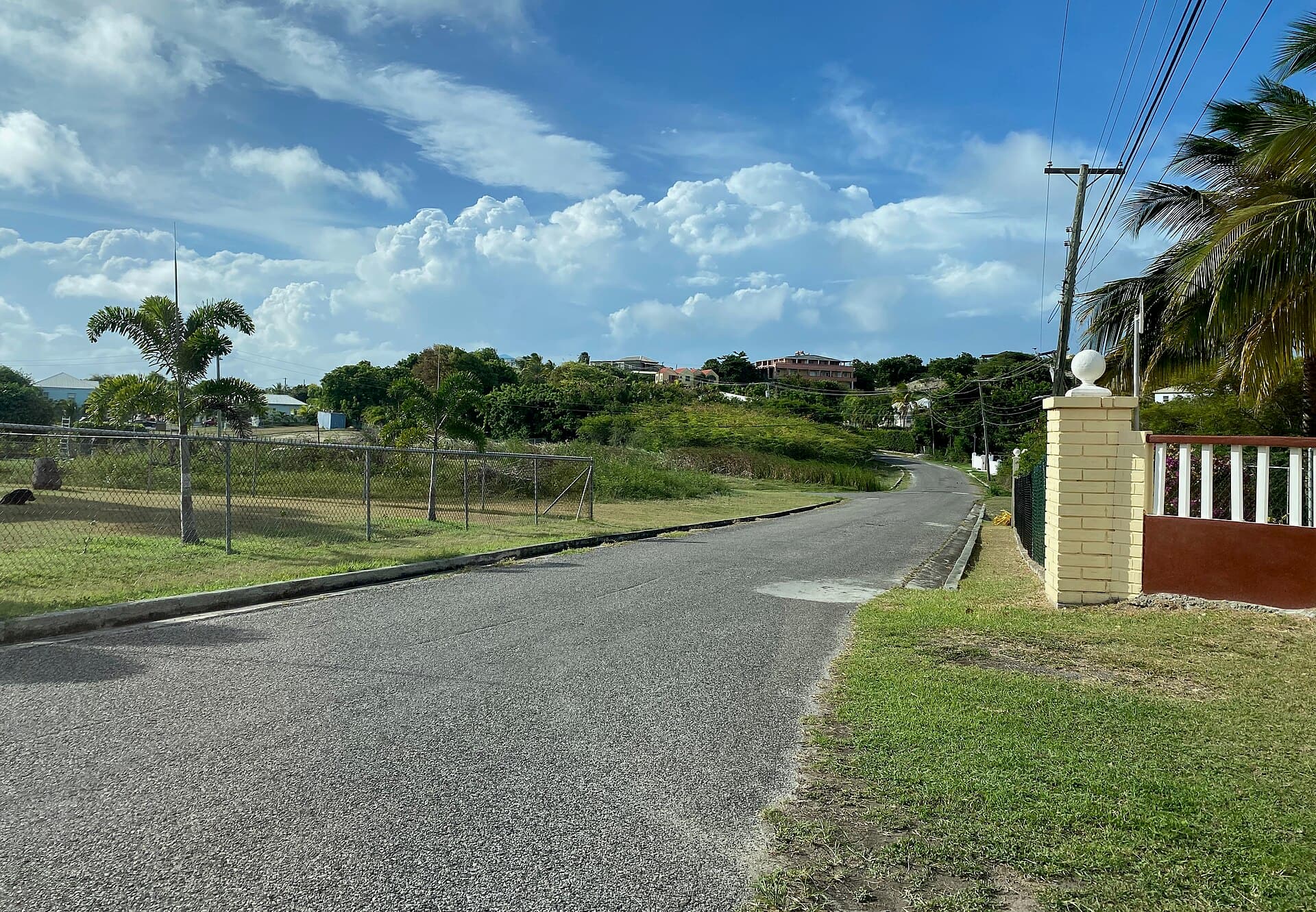
Search for Antiguan permanent residency and you get one answer that's really two, mashed together. Separating them is the whole job.
The Permanent Residency Programme
This is the fast one, running since 1995, and it's a tax arrangement first. You keep a home on the island, owned or rented, with no minimum price. Thirty days a year there is the floor. Your declared income has to reach $100,000, and the flat tax is $20,000 annually. In return, you get a permanent residence certificate and a tax number, together, in about two months. You don't need to hold any other permit first.
The Resident Permit
This is the Immigration Department's ordinary route; it runs on time served rather than money. Four years of lawful residence gets you in the door, or one year if you're married to a citizen. Retirees and home owners have their own category at two years. It's slower, far cheaper, and the route that eventually points at a passport.
Permanent Residency
Allows indefinite stay; typically pursued after initial residency or through investment. Specific requirements and processing times vary.
- Processing time
- ~60 days
- Timeline
- 2+ months
- Difficulty
- Moderate
Key requirements
- Application through local authorities
- Proof of financial means
- Clean criminal record
- Medical examination
About that data card
That card is describing both routes at once, which is the confusion this page exists to fix. The requirements listed are the Immigration Department's: its form, a police certificate, a health certificate from a practitioner it names, and proof you can support yourself. The two months is a decision window, not a queue you join on day one, because the slow route wants years of residence before anyone reviews a thing. And the price field is empty on a permit that can cost $20,000 every year.
The fast one
The flat tax is the product
Antigua stopped charging personal income tax in 2016. So the $20,000 isn't a tax bill being reduced. It's the price of a certificate that says you belong to a tax system with nothing in it, and of skipping the 183-day test everyone else has to meet.
Nobody agrees what income counts
Every source says $100,000 a year. They don't agree on what kind of income counts. One licensed agent describes it as self-employment or company earnings; others just say annual income. For a retiree living on a pension, that difference decides everything, and we couldn't settle it from published sources. Ask the Inland Revenue Department before you plan around it.
What you hand in
A passport photo and bio page, medical insurance certificate, police clearance for everyone over 16, proof of how your dependents are related to you, a signed declaration of your income, and the receipt showing the flat tax is paid. Expect a bank reference and two personal references on top.
Which one fits which retiree
If you want a Caribbean base and tax certificate while your real life stays somewhere else, the flat tax is the honest fit, and that flat tax is what it costs to not move. If you're going to live on the island full time, the Programme sells you something Immigration hands out for far less, and the Resident Permit is the cheaper road to a passport.
The long way
Class E, and the two years behind it
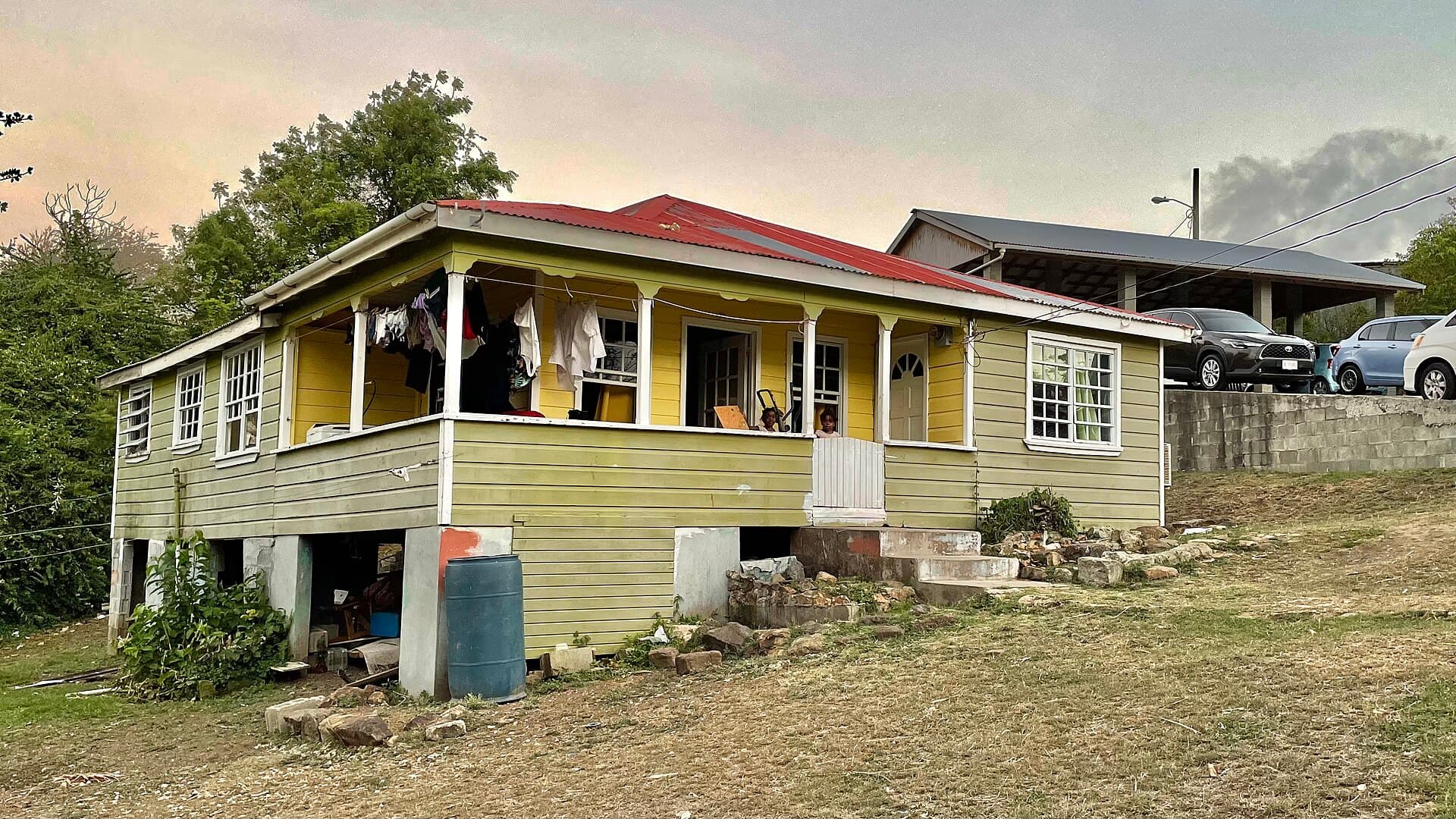
The Immigration Department sorts resident permits into classes, and it publishes the years each one needs.
Which class you'd file under
Class A is for work permit holders after four years, and you have to hold a valid work permit on the day you apply, which quietly rules out anyone who isn't working there. Class E covers home owners and retired residents at two years. Class F, persons of independent means, is listed at two years in one table on the government's own page and five years in the checklist further down. That contradiction is theirs, not ours, so get it in writing.
The rules that quietly end it
Permits run one to three years; you file for renewal three months before yours lapses. You have to be in Antigua for at least half the life of the permit. Leave for six straight months and it can be revoked. Become a charge on the public purse and it can be revoked, too. None of that is unusual, regionally. It does mean the permit tracks your life rather than sitting in a drawer.
The permit, line by line
Public health coverage
Immigration lists health care among the benefits a permit holder receives.
Work rights vary by class
Some permits carry the right to work anywhere in Antigua. A non-worker certificate does not.
A card you fly back in on
The Resident Permit Card is the proof of status, and you need it to re-enter by air or sea.
No vote, no office
Voting and running for office stay with citizens. Residency never gets you a ballot.
Six months away is the line
A continuous half year outside Antigua and Barbuda puts the permit at risk.
The passport is years past this
Naturalizing needs 12 unbroken months in Antigua plus five years out of the previous seven.
Your U.S. return
The $20,000 lands on top of your American taxes
Americans keep filing a 1040 wherever they live, and Antigua does nothing to soften that. There's no income tax treaty between the two countries and no totalization agreement either. A local bill of zero gives your preparer nothing to offset the U.S. one with.
Don't assume the flat tax is creditable
A flat payment that stands in for income tax is not obviously an income tax as the IRS defines one. Whether any of it can go on a Form 1116 is a question for a CPA before you sign up, not after your first payment. We found no source willing to say yes.
What the exclusion does and doesn't cover
The foreign earned income exclusion tops out at $132,900 per person for 2026, and it only ever touches earned income. A pension, Social Security, dividends and capital gains sit outside it completely, which is where a lot of retirement income sits. Your accounts get reported anyway, through FATCA, the Common Reporting Standard and a data-sharing deal with Washington. None of this is quiet.
Three calls worth making first

Beacon Global Advisors
Financial Planning
Beacon Global Advisors plans retirement income and IRA and 401k withdrawals. Worth an hour conversation before you commit to a five-figure annual bill for a certificate.

Hannah Moody-Goo
Disability and Pre-Existing Conditions
Hannah Moody-Goo coaches movers with disabilities and pre-existing conditions. Antigua has one full hospital, so ask her what your condition needs before you commit to an address.

Flamingo Compliance | Tax Residency and Visa Tracker Platform
Tax Residency and Visa Tracker Platform
Flamingo Compliance tracks residency days across countries. This permit runs on four separate day counts, and missing one of them is how people lose the status.
Straight answers on both permits
How much does Antigua permanent residency cost each year?
On the Permanent Residency Programme, $20,000 a year in flat tax, every year you hold it. That's on top of housing, since you have to keep a home on the island. The resident permit route through Immigration charges ordinary application fees instead, and no annual tax.
How many days a year do I have to spend in Antigua?
Thirty a year on the Permanent Residency Programme. That is its whole appeal next to the normal 183-day test. On an Immigration resident permit the expectation is heavier: you're meant to be there at least half the permit's life, and six straight months away can end it.
Can I qualify with pension income instead of a salary?
Unclear, and it matters. Sources agree the threshold is $100,000 a year, but one licensed agent describes the test as self-employment or company income while others say any annual income. If your $100,000 is a pension or Social Security, confirm it with the Inland Revenue Department first.
Does permanent residency lead to an Antiguan passport?
Eventually, and not on 30 days a year. Naturalizing asks for 12 unbroken months of residence right before you apply, plus five years inside Antigua and Barbuda during the seven before that. Immigration describes the same line as seven years of legal residence. The minister decides, and approval is never automatic.
Do permanent residents get healthcare in Antigua?
Immigration says resident permit holders receive most of the social benefits citizens do, health coverage included. The practical limit is depth, not access: there's one full hospital, and complex surgery or cancer care usually means flying to Barbados, Puerto Rico or Miami. Private cover with evacuation is standard.
Does Antigua and Barbuda have a retirement visa?
No. There's no visa built for retirees. You either buy into the Permanent Residency Programme, which wants $100,000 of income and a flat $20,000 a year, or you qualify for a resident permit through Immigration, where retirees and home owners are a category at two years of residence.
Will the $20,000 flat tax lower my US tax bill?
Don't count on it. There's no US treaty with Antigua and Barbuda, and a flat payment that substitutes for income tax may not qualify as a creditable foreign income tax. Ask a US preparer whether any of it works on a Form 1116 before you enroll, because no source we found would say it does.
Where else would $20,000 a year go further?
Bring an advisor your income and your must-haves, and find out which countries tax a retirement like yours and which ones leave it alone.
Why not you?