3 Countries With Investor Visas Under $100,000


May 12, 2026 · Updated May 20, 2026 · 3 min read
The long-held assumption that investment-based residency requires a half-million-dollar commitment has officially expired. In 2026, several nations have leaned into “entry-level” investor programs, recognizing that attracting digital professionals and small-scale entrepreneurs is just as valuable as courting the ultra-wealthy.
If you have $50,000 to $100,000 in liquid capital, you are no longer limited to “nomad” status. You can buy into long-term residency rights, often with a clear path to a second passport. These thresholds are now lower than a typical down payment on a house in most U.S. cities, making them a practical backup plan or a primary relocation strategy.
Here are three countries with real, accessible investor visa options under $100,000.
1. Paraguay: The Most Affordable Entry Point
Paraguay consistently sits at the bottom of the cost scale, making it a favorite for those who prioritize simplicity and tax efficiency. It is perhaps the most straightforward way to gain a legal foothold in South America.
- The Threshold: Don’t be confused by multiple recent updates to Paraguay’s residency-by-investment pathways: The “productive investment” SUACE route was joined by, not replaced by, three other routes. You can qualify for direct permanent residency by committing to a business investment of $70,000.
- The Tax Play: Paraguay uses a territorial tax system. This means your foreign-sourced income – like U.S. dividends or remote salary – is generally not taxed locally.
- The Reality: The process is remarkably fast, often completed in 90 days. It’s the ultimate low-friction move for those who want a permanent base without a six-figure price tag.

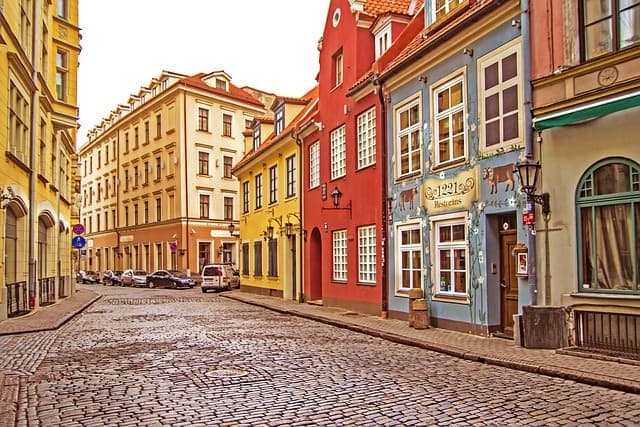
2. Latvia: The European Gateway
Latvia offers one of the last remaining “budget” doors into the European Union. While many neighboring countries have pushed their Golden Visa prices above €250,000, Latvia maintains a pathway through business investment that remains accessible.
- The Threshold: You can obtain a residence permit by investing €50,000 (roughly $54,000) into the equity capital of a Latvian company.
- The Benefits: This grants you residency and, crucially, visa-free travel throughout the Schengen Area.
- The Catch: There is an additional one-time government fee of €10,000, but even with fees, the total stays comfortably under the $100,000 mark. It’s a great choice for someone who wants to base their business operations in Europe.
3. São Tomé and Príncipe: The Direct Citizenship Route
If you aren’t just looking for residency but want a second passport for under six figures, this island nation off the coast of Africa is a unique outlier in 2026.
- The Threshold: Their national transformation fund offers a citizenship-by-investment path starting at $90,000.
- The Speed: Unlike residency programs that require years of living in the country to qualify for a passport, this is a direct contribution model. It is often processed in as little as 2–3 months.
- The Lifestyle: It’s not for everyone – it’s a remote, tropical archipelago – but for a “Plan B” passport that doesn’t require a $200,000 Caribbean donation, it is one of the most cost-effective countries with investor citizenship options left.
Before You Invest
Before committing your capital, you need to verify:
- Physical Presence: Does the visa require you to actually live there 183 days a year, or is it a “paper residency” that stays active with one visit every year or two?
- Path to Citizenship: Does this visa actually lead to a passport after 5 or 10 years, or is it just a perpetual permit?
- Exit Strategy: If you buy real estate or business shares, how easy is it to sell them later without losing your status?
If you see a future abroad that starts with a foreign investment, Expatsi has experts who can help you pick the country and visa pathway to get you there.