How a Startup Visa Can Help You Grow Your Business Elsewhere


March 24, 2025 · Updated October 31, 2025 · 4 min read
Do you have an entrepreneurial spirit, an innovative business idea, and a desire to set up shop in a different country? A startup visa might be your ticket to residency.
While the specifics of startup visa programs vary from country to country, the visas are, in effect, a way for countries to attract entrepreneurs who will build businesses and create jobs to boost the local economy. The country will allow temporary residency for the entrepreneur, subject to conditions — generally, that the startup demonstrates a degree of growth and success.
Here are 13 countries that could welcome your business idea and give you a place to grow it.
Australia

Photo Credit: Shutterstock.
Australia introduced its National Innovation Visa of 2024 as a replacement for the now-defunct Global Talent and BIIP programs. Application for the NIV is available by invitation only — you’re required to submit an expression of interest (EOI) before they’ll consider allowing you to apply. The visa program targets specific achievement levels and specific business sectors, making it an extremely difficult way to gain residency.
Canada

Photo Credit: Shutterstock.
While Canada also made some changes to its startup visa program in 2024, it was in the direction of slimming it down and focusing on efficiency, not shutting it down and replacing it. While some new limits and caps have been applied, applicants still have to obtain a Letter of Support from a Designated Organization in Canada, incorporate their business in Canada, and have adequate funds to get started.
Chile

Photo Credit: Shutterstock.
The Chile Startup Visa is part of the Start-Up Chile initiative. To get the visa, entrepreneurs have to be accepted into one of the initiative’s three programs designed for early-stage startups, acceleration, and growth, which also offer support and funding. The initial visa permits the entrepreneur to stay for one year, with an option for renewal depending on the startup’s performance.
Denmark

Photo Credit: Shutterstock.
The Denmark Startup Visa offers a two-year, renewable work and residence permit for up to three founders looking to start and grow their business in Denmark. Founders have to come from outside the EU or EEA and present a business plan deemed acceptable by the Danish Business Authority, to be evaluated on factors like innovation, scalability, and global growth potential.
Finland

Photo Credit: Shutterstock.
The Finland Startup Permit is a two-year, renewable permit to allow entrepreneurs to establish their startup within the Finnish economy. It’s available to founders with innovative business ideas that satisfy requirements for structure and financial resources.
Estonia

Photo Credit: Shutterstock.
Similar to Chile’s program, the Estonian Startup Visa is part of a larger program to help non-EU founders develop their startup in Estonia. Before founders can apply for the one-year renewable visa, they have to gain the approval of the Startup Committee to confirm that the business is technology-based, innovative, and scalable, with potential for global growth, and the founders can support themselves financially.
Italy

Photo Credit: Shutterstock.
Italy’s Startup Visa offers a one-year permit to entrepreneurs who can demonstrate the startup will be sufficiently innovative and backed by adequate funds. If approved, they can proceed to apply for the permit, which can be extended for another two years if the business performs to specific standards.
Lithuania

Photo Credit: Shutterstock.
Lithuania’s Startup Visa offers a streamlined entry process for startup founders to establish innovative businesses in Lithuania. If their business plan is approved by the evaluation committee, founders get a two-year residence permit that can be extended to five.
Netherlands
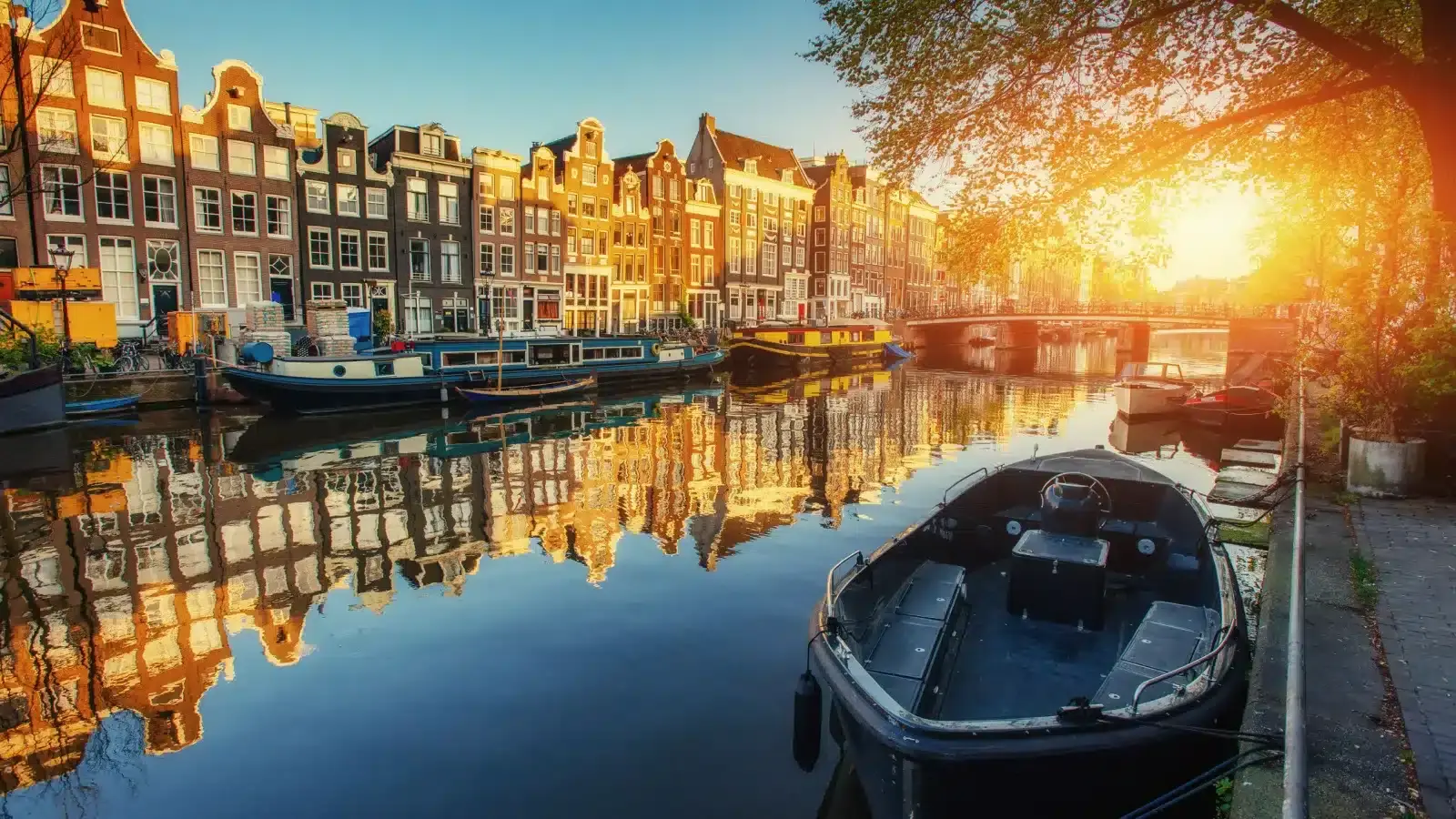
Photo Credit: Shutterstock.
The Netherlands’ Residence Permit for Startups offers entrepreneurs one year of residency to launch their business, while receiving guidance from an approved facilitator in the Netherlands. Founders have to provide a plan for an innovative business and sufficient funds to support themselves through the process.
New Zealand

Photo Credit: Shutterstock.
The New Zealand Entrepreneur Work Visa allows entrepreneurs one year to establish their startup in New Zealand, renewable for two more years with proof the business actually has been established. While there, the entrepreneur can apply for the indefinite Entrepreneur Resident Visa. Applicants have to submit a business plan that satisfies the immigration authorities, along with an initial investment of about $58,000.
Singapore

Photo Credit: Twenty20.
The Singapore Startup Visa is, as the others, designed for entrepreneurs hoping to establish their business in Singapore. Founders have to work with an incubator recognized by the Singapore authorities and commit at least $230,000 to the process, and they’ll receive a two-year visa with an option for permanent residency.
Spain

Photo Credit: Shutterstock.
Spain’s Startup Visa offers a three-year, renewable residency to establish an innovative business that uses new technologies or business models and could have an impact on Spain’s economy. They also have to outline their own professional or academic background and have about $33,000 in the bank.
United Kingdom

Photo Credit: Shutterstock.
The UK Innovator Founder Visa replaces their former Start-up Visa for entrepreneurs who want to establish an innovative business with growth potential in the UK, as approved by an officially recognized endorsing body, The three-year, renewable visa requires the founder meet at 12-month intervals with their endorsing body to demonstrate they’re making progress.