Mexico Is Safer Than You Think. Here’s Proof.


By Jen Barnett, Co-founder, Expatsi
August 6, 2024 · Updated May 11, 2026 · 6 min read
Why do Americans think Mexico is so dangerous? Despite the fact that 126 million people live there mostly without incident, Americans seem to picture a violent landscape where no one is safe. Media coverage tends to focus heavily on cartel activity, even though most cartel violence affects only members.
For example, a recent study pointed out that Mexican cartels have about 175,000 members, making them the 5th-largest employer in the country. Seems ominous, right? What wasn’t mentioned: American gangs have 1,000,000 members. By the same logic, they’d be our 3rd-largest employer. Take that, Mexico.
FarHomes.com, who helps Americans find housing in Mexico, compiled the following data to challenge our preconceived notions.
Crime is Declining
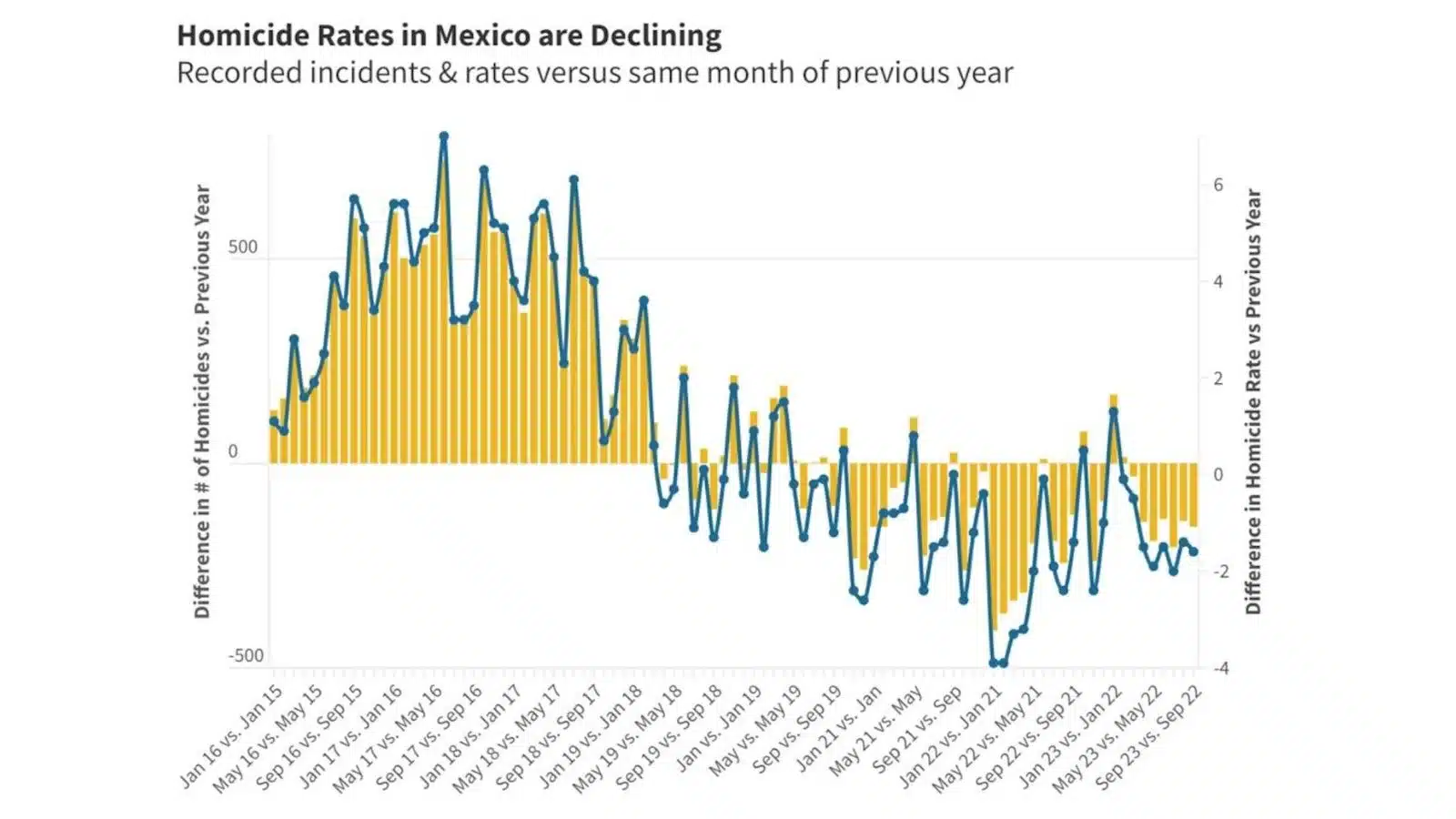
Photo Credit: FarHomes.com.
Mexico’s crime rate has been steadily decreasing since 2016, with a brief uptick during the pandemic. However, rates have since returned to pre-pandemic levels. Conversely, violent crimes in the United States have been rising since 2015.
Homicides Are Exceptionally Low for Americans in Mexico
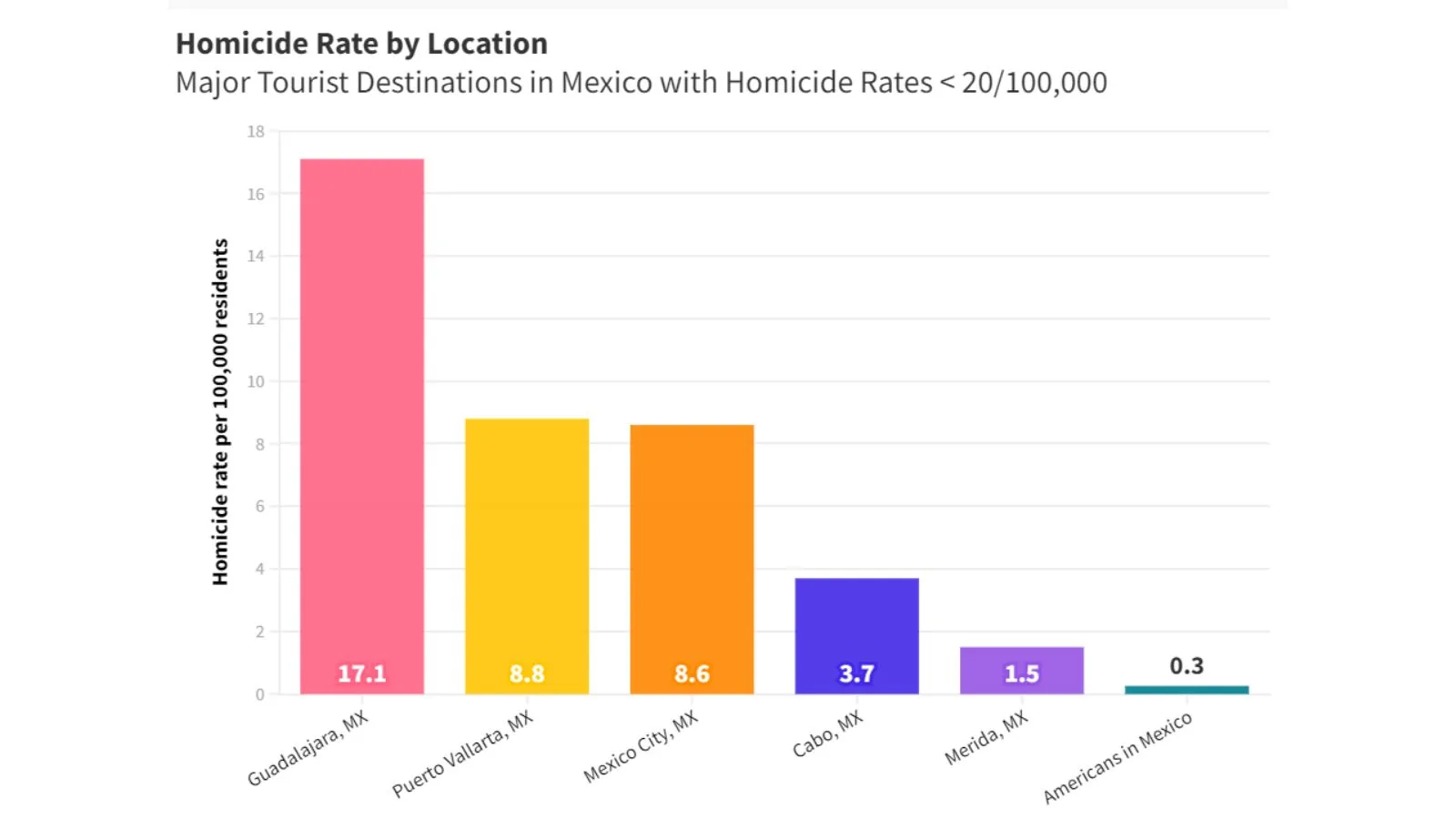
Photo Credit: FarHomes.com.
The rates in the charts above are annual homicides per 100,000 residents. As we’ve pointed out before, our home city of Birmingham, Alabama has a homicide rate of 77.7 homicides per 100,000. It is far more dangerous than any of these popular tourist destinations, and we still feel perfectly safe here.
Many American Cities Have Higher Homicide Rates
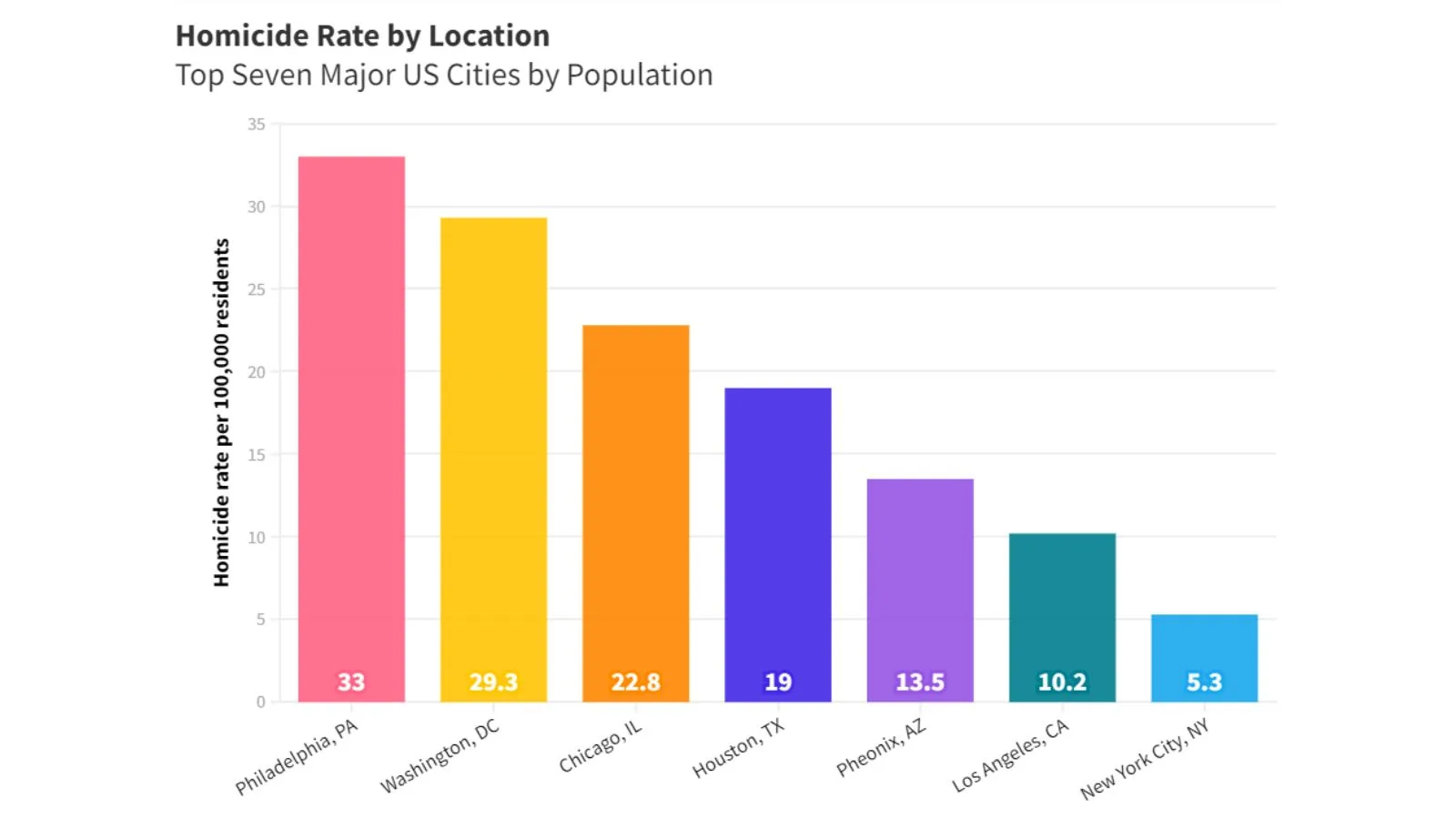
Photo Credit: FarHomes.com.
Here are some examples of the homicide rates in major U.S. cities, not including much more dangerous towns like Birmingham, Memphis, New Orleans, or St. Louis.
Safest City #1: Guadalajara
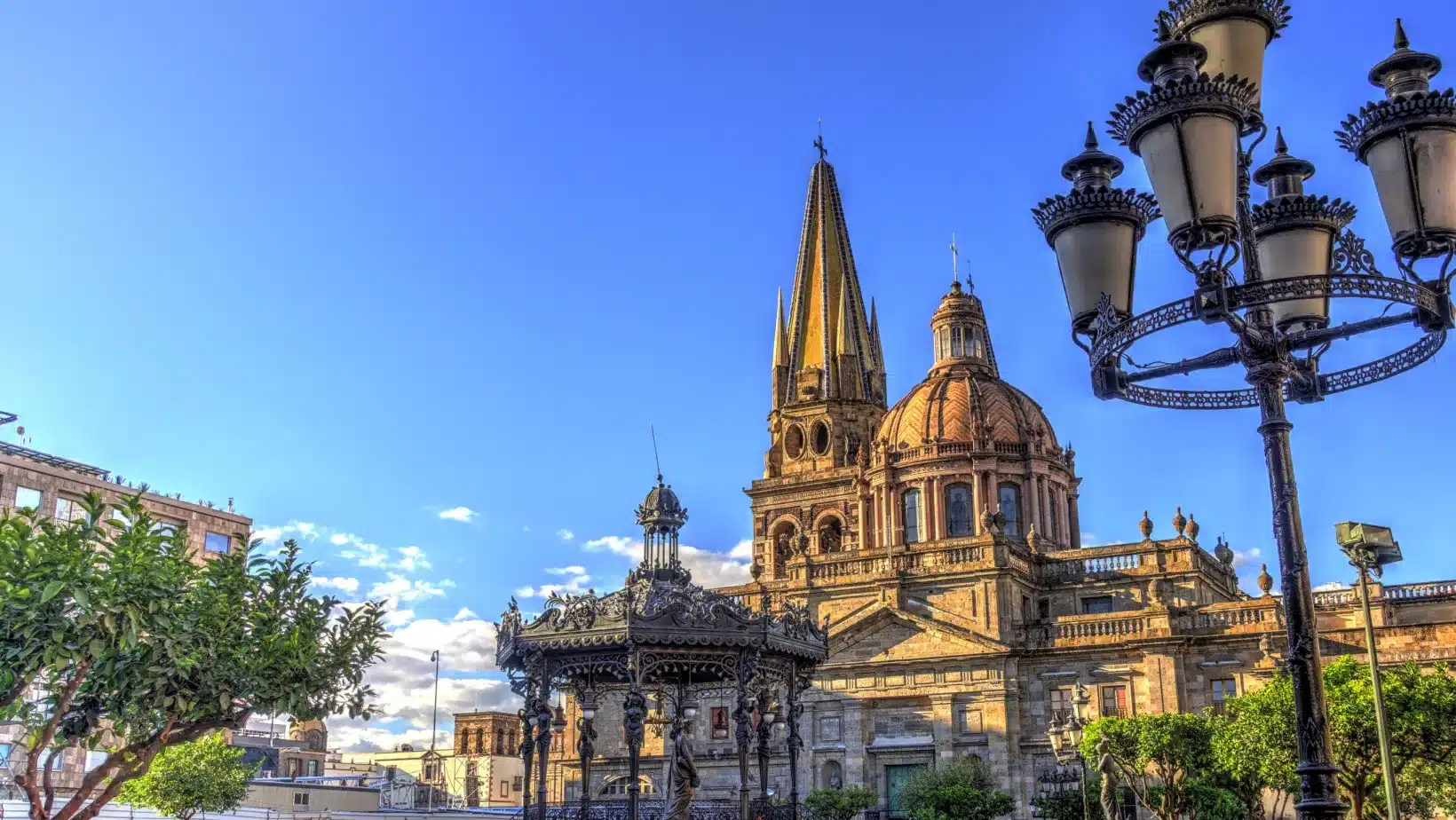
Photo Credit: Shutterstock.
Guadalajara is a large urban center in central Mexico with a metro population of 5.4 million people. American expats love living on nearby Lake Chapala.
Safest City #2: Puerto Vallarta

Photo Credit: Shutterstock.
Immigrant love living in safe, sunny Puerto Vallarta on the Pacific Coast.
Safest City #3: Mexico City

Photo Credit: Shutterstock.
Mexico City is a world-class destination for arts, food, and culture. Home to more than 22 million people, the CDMX metro is one of the most vibrant cities on Earth.
Safest City #4: Cabo San Lucas
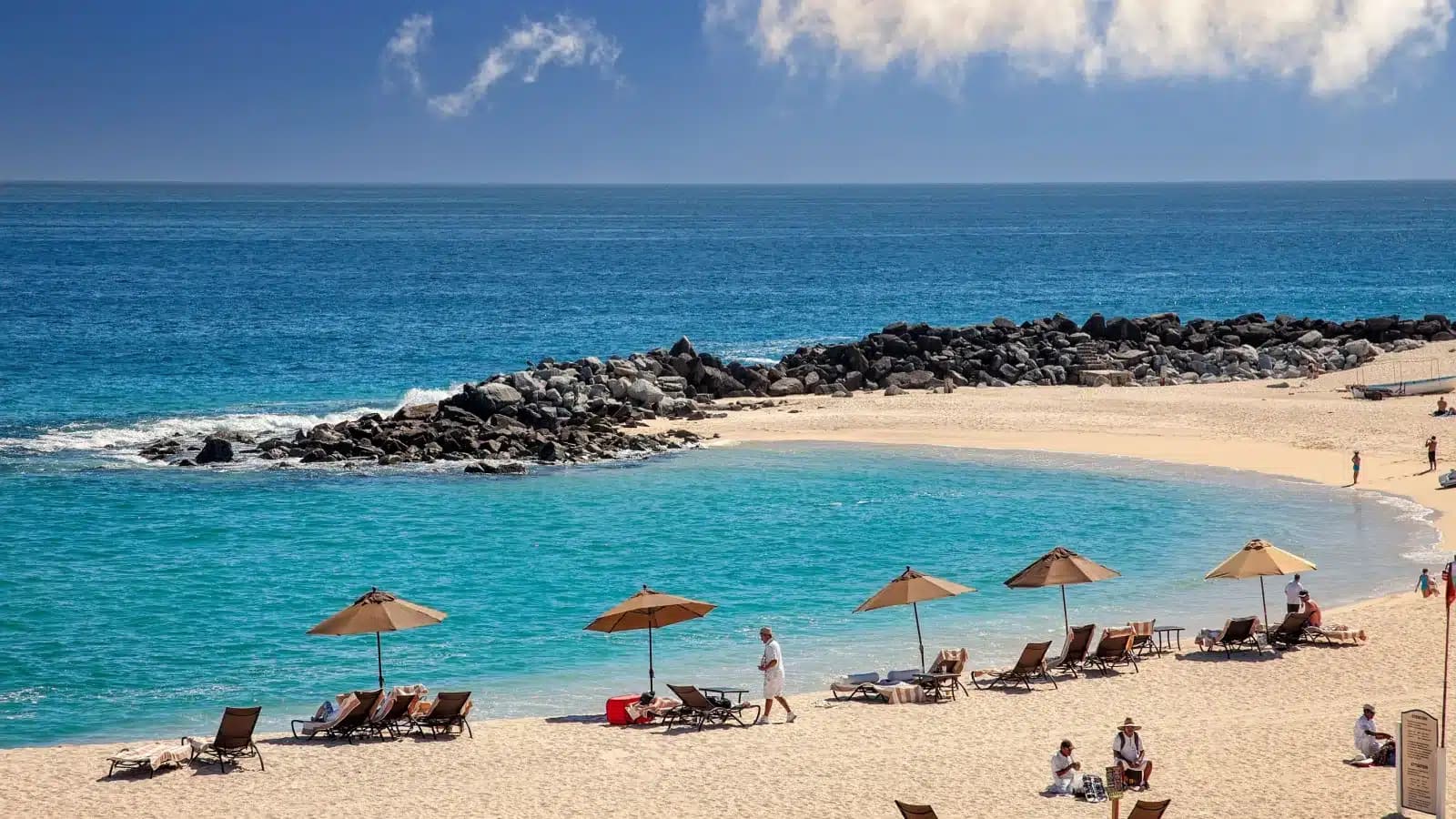
Photo Credit: Shutterstock.
Expats move to Cabo San Lucas to live every day like they’re on vacation. Located at the southern tip of the Baja Peninsula, the city is home to dozens of resorts.
Safest City #5: Merida
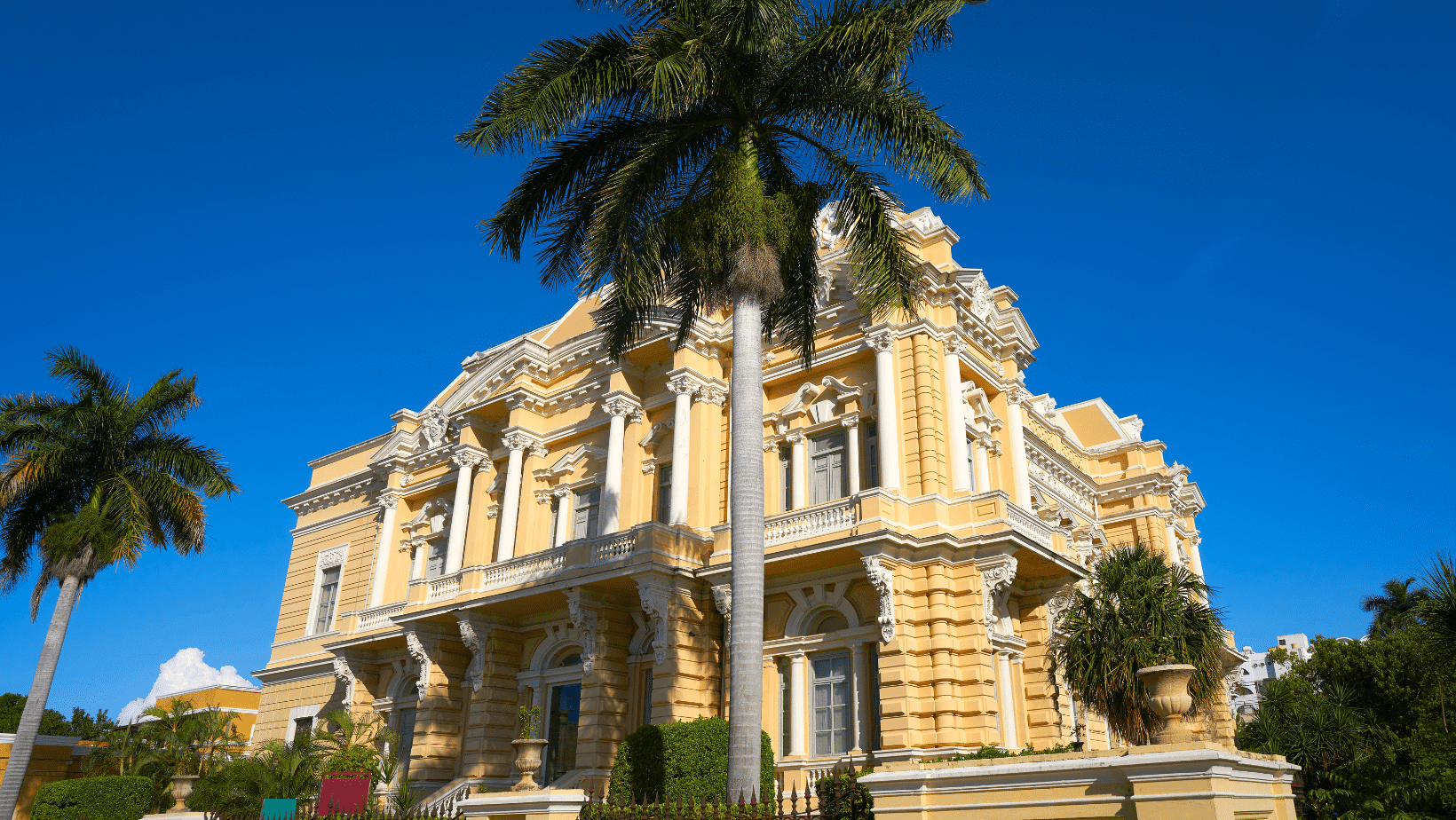
We live in Merida ourselves, one of the safest cities in Mexico. Just off the coast of the Gulf of Mexico, this friendly city has a million residents.
Travel Advisories
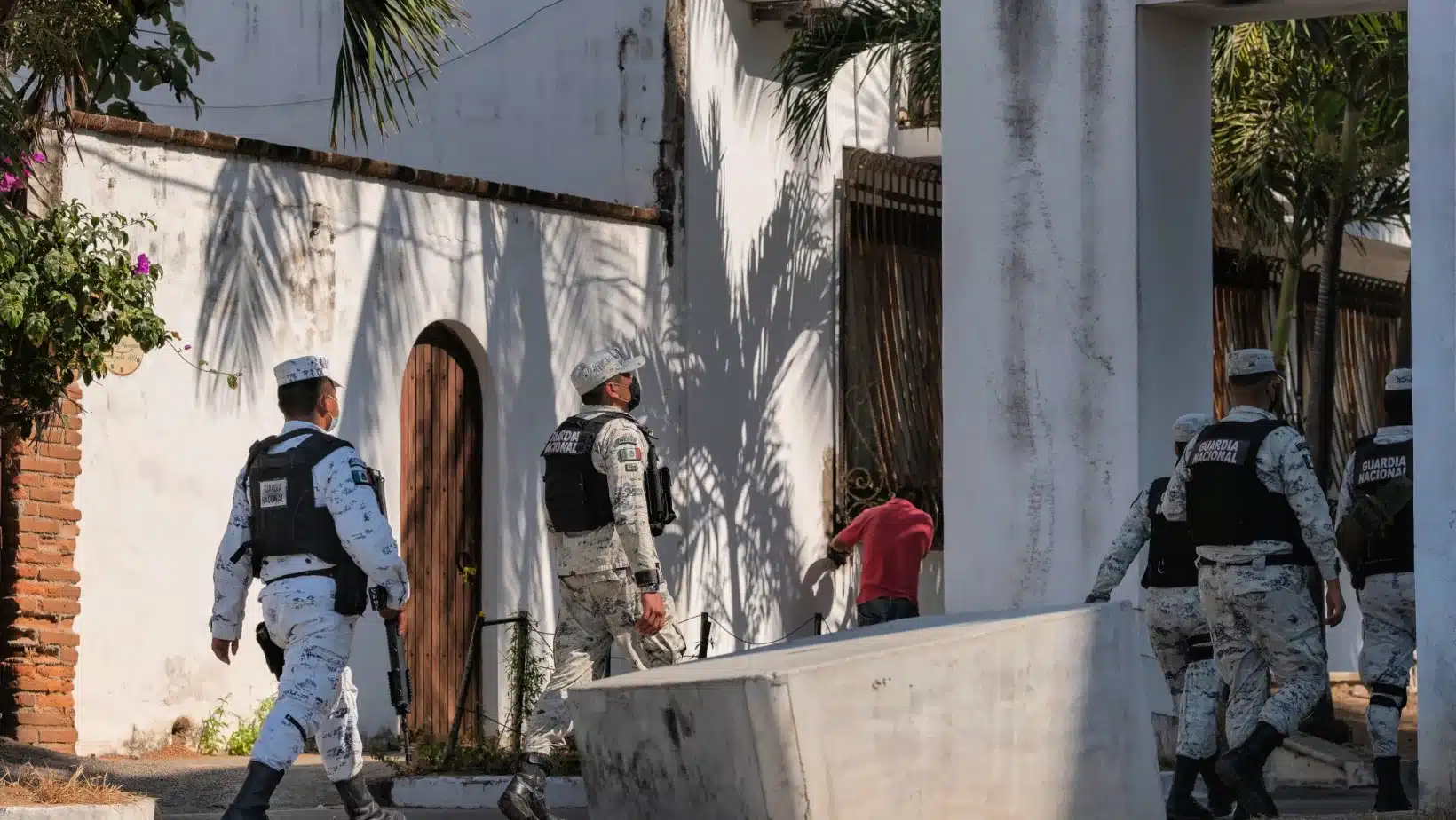
Photo Credit: Shutterstock.
The United States offers travel advisories to keep Americans safe abroad, and ranks countries as well as regions and states according to this scale:
- Exercise normal precautions
- Exercise increased caution
- Reconsider travel
- Do not travel
You can see the ratings here for states in Mexico. For more up-to-date info, use Facebook groups like On the Road in Mexico to ask about crime or unrest.
The Safest Places to Live in Mexico for Americans and Expats
Any discussion of moving to Mexico will inevitably include the question, “Is it safe?” And any honest answer to that question will include, “That depends.” It depends on your priorities, it depends on what makes you feel safe, and a lot of it depends on where in Mexico you’re planning to move.
The news cycle covers specific border zones and cartel activity in a handful of states. And yes, that’s real, but it’s not the whole country. The cities where most Americans actually settle look nothing like those headlines. And while crime data for Mexico often covers specific areas and regions, zoom in, and the picture shifts dramatically. Knowing the safest places to live in Mexico means ignoring news headlines and national averages and getting specific.
Cities Worth Serious Consideration
Mérida sits at the top of most lists for a reason. The capital of the state of Yucatán, it has a genuinely low violent crime rate, walkable historic center, and a large established community of foreign residents. It’s among the safest places to live in Mexico for Americans, with the most consistent track record over the longest period of time.
San Miguel de Allende has been drawing Americans in since the 1950s. The appeal is obvious once you’re there: compact, walkable, English spoken everywhere, and a social scene built around people who moved from somewhere else. It’s regularly cited as one of the safest places in Mexico to live by longtime residents, not just travel writers.
Oaxaca City has built real expat infrastructure over the past decade. Costs are low, the cultural life is rich, and its safety record compares well against other regional cities. Younger retirees and remote workers tend to love it.
Los Cabos operates with a degree of separation from mainland dynamics. The Cabo corridor is heavily developed for long-term residents, well-patrolled, and far from the areas that generate security concerns elsewhere.
Puerto Vallarta and Riviera Nayarit dominate the coastal conversation. North of Vallarta, communities like Bucerías and Punta Mita have strong private security and a deeply established North American resident base. This stretch is consistently mentioned as a safe place near the water for Americans living in Mexico.
Mexico City Is More Nuanced Than Its Reputation
And what about safety in Mexico City? Again: That depends. Twenty-two million people live in CDMX, across a metro area covering more than 3,000 square miles – treating it as one big safety zone makes no sense. The safest places to live in Mexico City come down to specific neighborhoods, and the gap between them and other parts of the city can be significant.
Polanco is mostly likely the most secure option, expensive, close to embassies and international infrastructure. La Condesa and Roma Norte are where most expats end up, active at street level, walkable, with English-speaking medical care nearby and good transit connections. Coyoacán runs quieter and suits people who want something more residential. In questions of the safest urban spaces for American expats, these three neighborhoods are where the conversation starts.
Seeing It Yourself Still Matters
Doing the research from home gets you to a shortlist. It doesn’t get you to a decision. Safety in Mexico is hyperlocal and more nuanced than any published guide can cover.
A week on the ground tells you more than months of reading. Scouting trips built around your specific shortlist are one of the most practical tools available. And if you want someone to work through the specifics with you based on your lifestyle, budget, and tolerance for uncertainty, we can connect you with experts who specialize in exactly that.
FAQ
What are the safest places to live in Mexico for solo female expats?
Merida and San Miguel de Allende come up most consistently. Both have active street life during the day and evening, established communities, and enough existing social infrastructure that arriving alone doesn’t mean starting from nothing. Oaxaca City is frequently added to this list by women who’ve actually lived there.
How do the safest places in Mexico to live compare to U.S. cities in terms of crime?
Merida’s homicide rate is lower than cities like Memphis, Baltimore, and Albuquerque. San Miguel and Oaxaca City hold up similarly when measured against comparable U.S. cities rather than national figures. The data stands up when you actually look at municipality-level numbers rather than country totals.
What are the safest places for Americans to live in Mexico near the beach?
Riviera Nayarit, Los Cabos, and Huatulco are the most reliable answers. All three have meaningfully lower incident rates than high-profile destinations like Cancun or Tulum, and more developed long-term infrastructure for people actually living there rather than visiting.