
The 10 Deadliest States for Motorcyclists


January 12, 2024 · Updated October 31, 2025 · 3 min read
Motorcycling is an essential mode of transportation for millions of people, but it isn’t always safe, especially if you’re in these states. Ohio Personal Injury Lawyer John Fitch analyzed fatal crash data from the National Highway Traffic Safety Administration (NHTSA) to determine which state is the safest to be on the road. These were the deadliest.
10. Vermont
Photo Credit: Shutterstock.
Vermont is considered the tenth-most deadly state for motorcycles, even though the state has strict traffic laws and regulations. Eleven motorcyclists were killed, accounting for 13.75% of traffic fatalities.
9. Rhode Island

Photo Credit: Shutterstock.
Hundreds of motorbikes face personal injuries caused by cars, other motorcyclists, and even pedestrians. In Rhode Island, 13 motorcyclists were killed, accounting for 13.98% of traffic fatalities.
8. New York
Photo Credit: Shutterstock.
New York is infamously known for its high volume of traffic, and the large number of vehicles on the road increases the risk of motorcycle accidents. New York is ranked as one of the top destinations for advanced motorcyclists, but at the same time, the state is among the other states with the highest incidents of motorcyclist fatalities.
In New York, 205 motorcyclists were killed, accounting for 14.27% of traffic fatalities.
7. Pennsylvania
Photo Credit: Shutterstock.
Motorcycle fatalities in Pennsylvania are higher than even New York. Hazardous roads, potholes, weather conditions, and the casual behavior of other drivers are major reasons for motorcycle incidents in Pennsylvania. Pennsylvania had more motorcyclist deaths than New York, Rhode Island, and Vermont, with a staggering 229 motorcyclists killed, accounting for 14.34% of traffic fatalities.
6. Wisconsin
Photo Credit: Shutterstock.
Motorcyclists throughout Wisconsin are commonly involved in crashes that result in injuries or even casualties. Under Wisconsin law, all motorcycle operators must have a class M license or motorcycle instruction permit to drive on roads. In 2020, 119 motorcyclists were killed, accounting for 14.42% of traffic fatalities.
5. Colorado
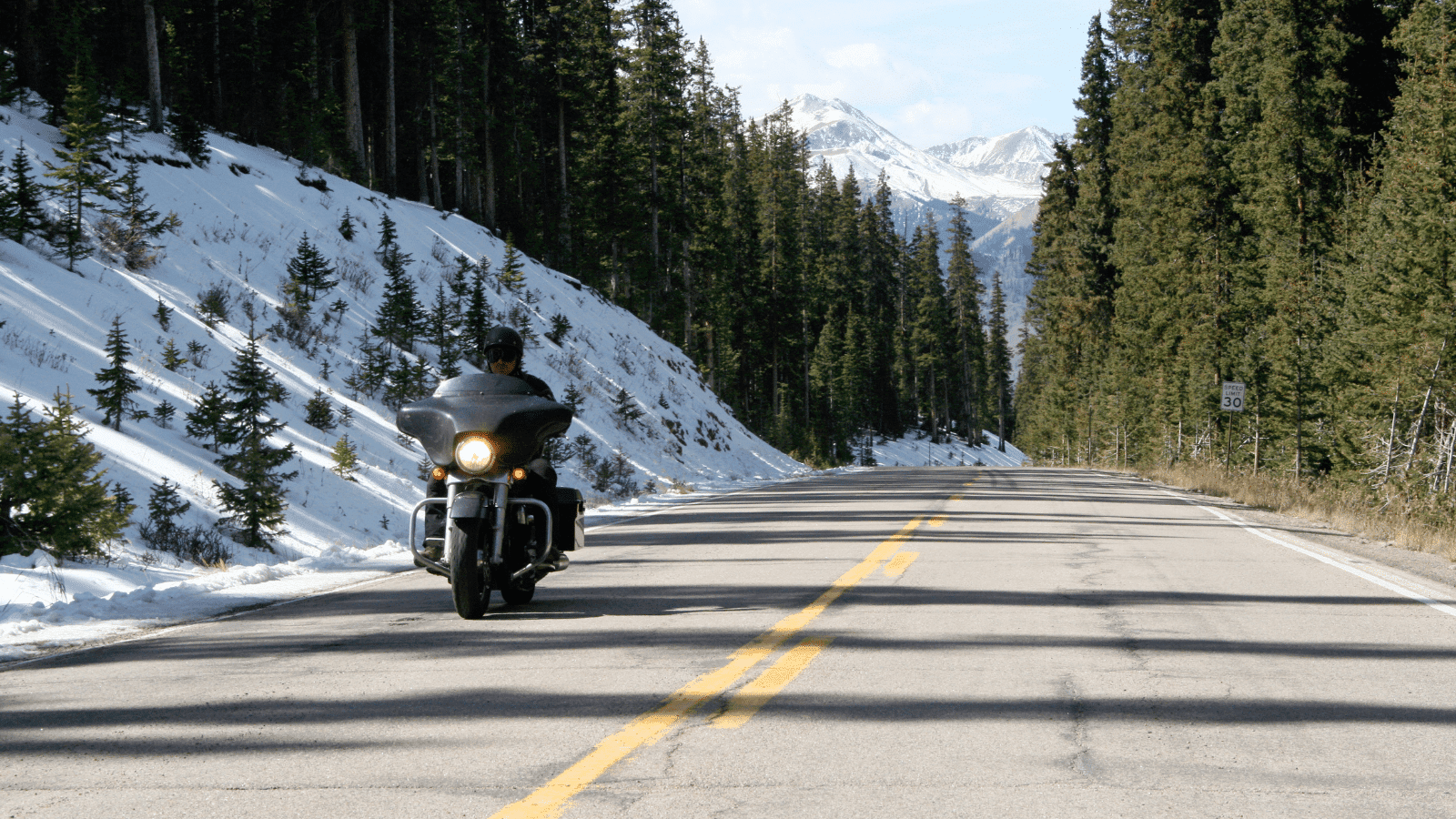
Photo Credit: Shutterstock.
Outdoorsy Colorado is one of the most popular destinations for motorcyclists, but it faces severe risk for motorcyclists, who love to race around the state’s switchbacks. In 2020, 138 motorcyclists were killed, accounting for 15.59% of traffic fatalities.
4. Connecticut
Photo Credit: Shutterstock.
Traffic violations are common in Connecticut and can lead to worse consequences for motorcyclists. The state had 65 motorcyclist fatalities, accounting for 15.66% of traffic fatalities.
3. South Dakota
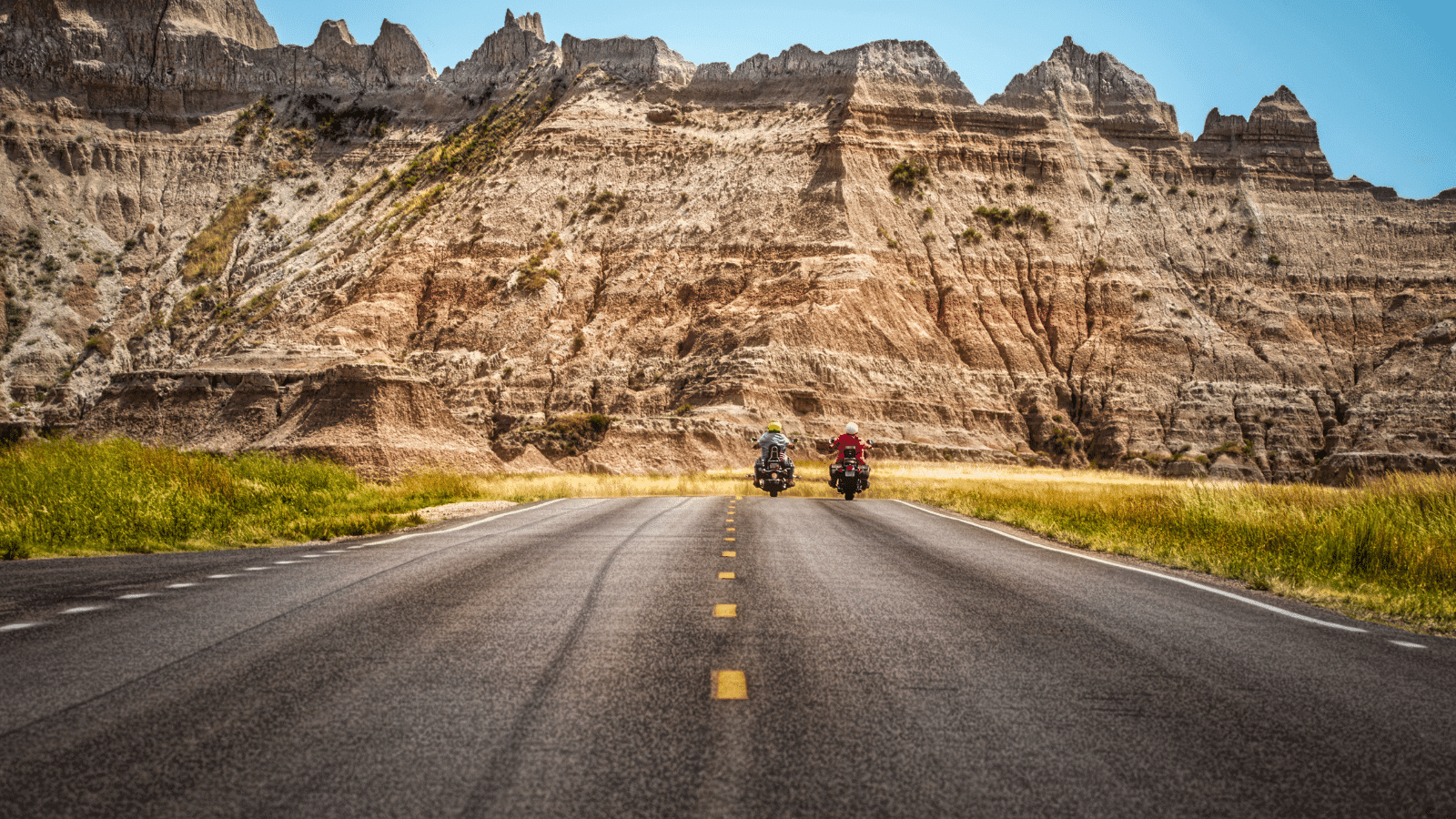
Photo Credit: Shutterstock.
South Dakota, home to the famous annual motorcycle rally, is the third deadliest state for bikers. Thirty-one motorcyclists were killed, accounting for 16.23% of traffic fatalities.
2. Hawaii
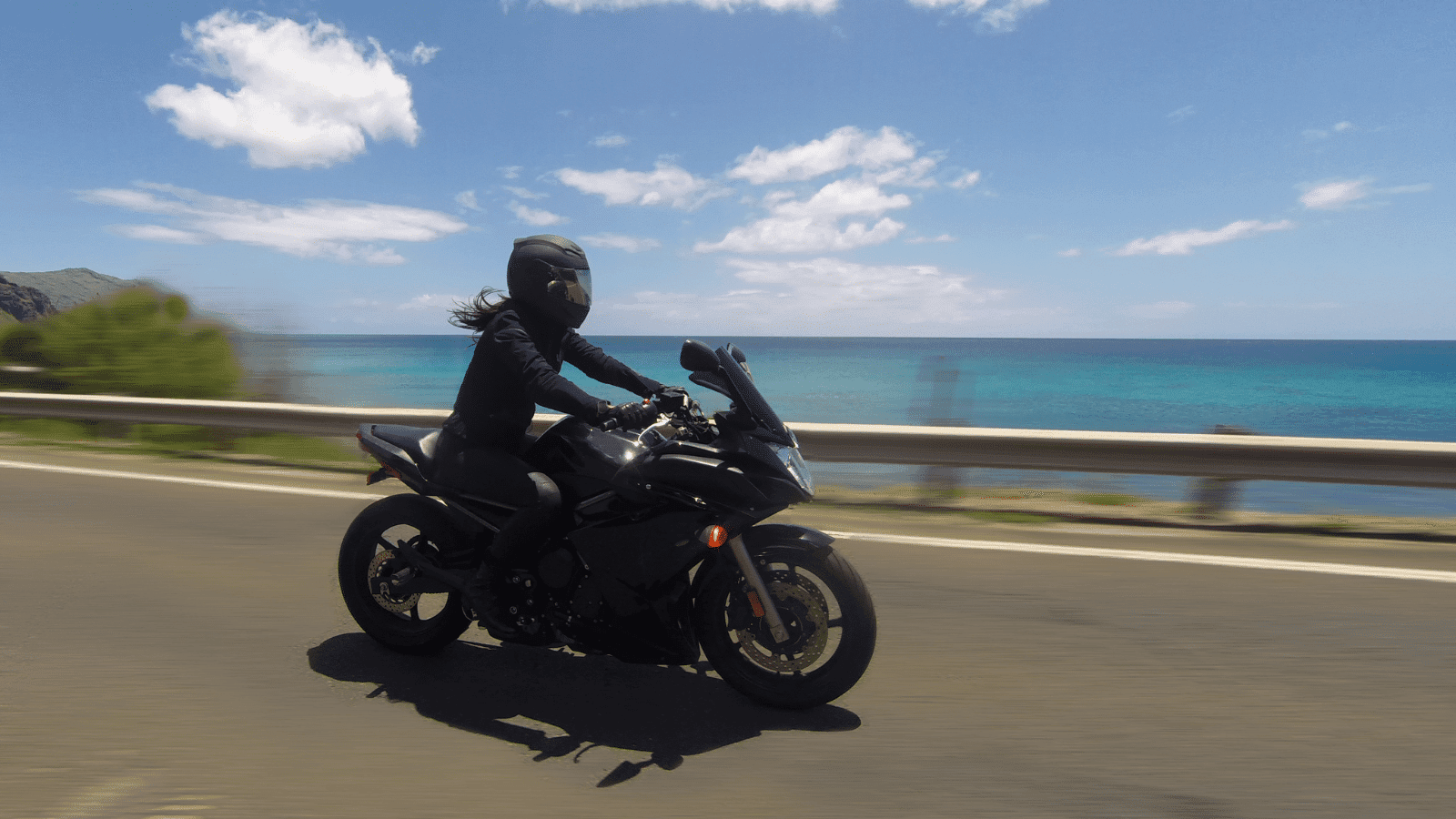
Photo Credit: Shutterstock.
The weather in Hawaii is always perfect for motorcycles. In 2020, 19 motorcyclists were killed, accounting for 16.67% of traffic fatalities.
1. New Hampshire
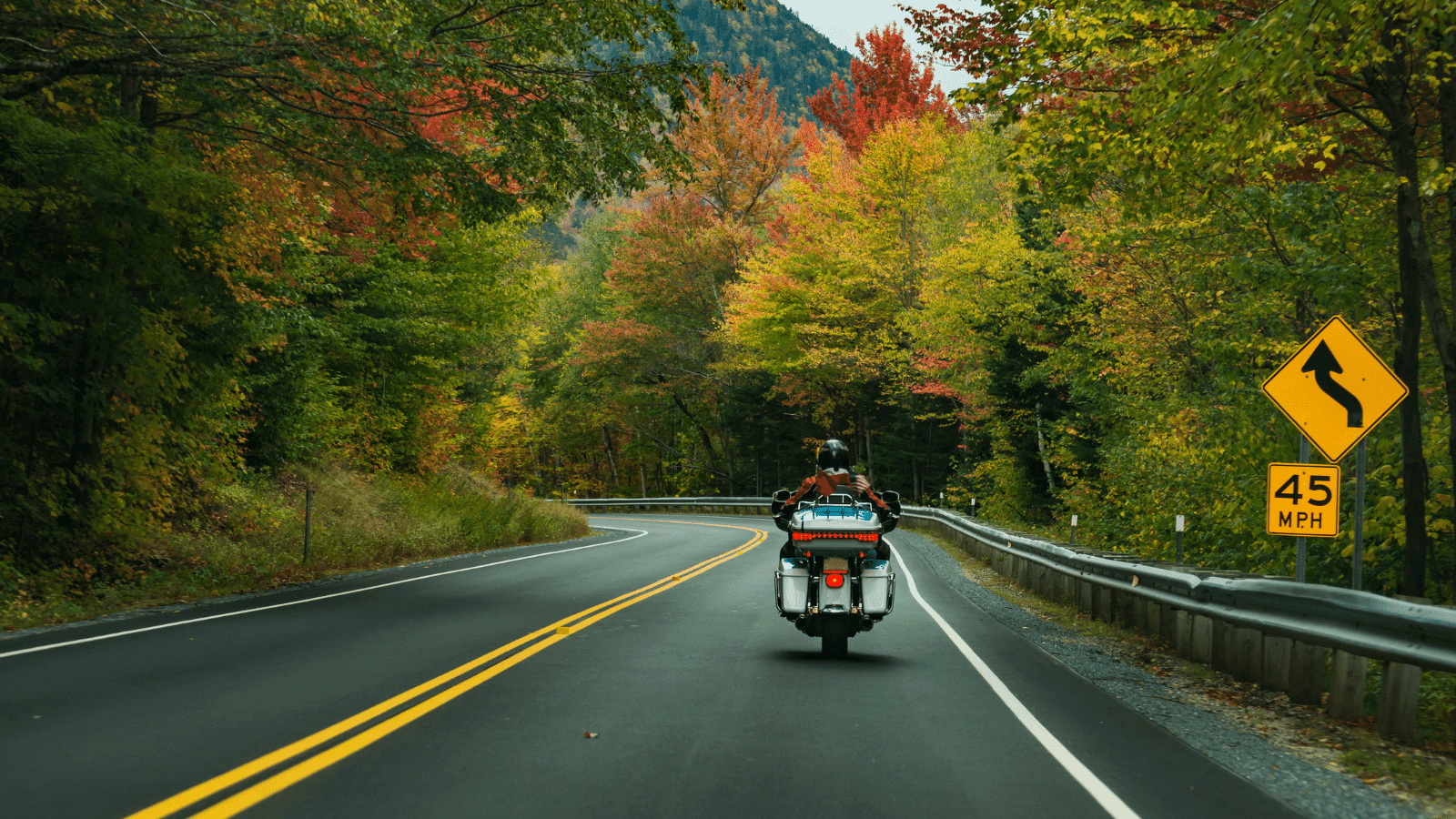
Photo Credit: Shutterstock.
It doesn’t matter what motorcycle you are riding or how much experience you have. The risk of indulging in an accident is always the same. New Hampshire ranks as one of the deadliest states in the United States to ride a motorcycle. In 2020, 25 motorcyclists were killed, accounting for 16.89% of traffic fatalities.
Source: Johnfitch