Buzzkill: These 16 Countries Have the Harshest Drug Laws

August 28, 2024 · Updated February 23, 2026 · 5 min read
Every country has a system in place for penalizing drug offenses, but were you aware that some countries practice execution as a punishment for drug-related crimes? Below is a list compiled by the American Addiction Center of countries that enforce shockingly severe penalties for those involved in illegal drugs.
1. Malaysia
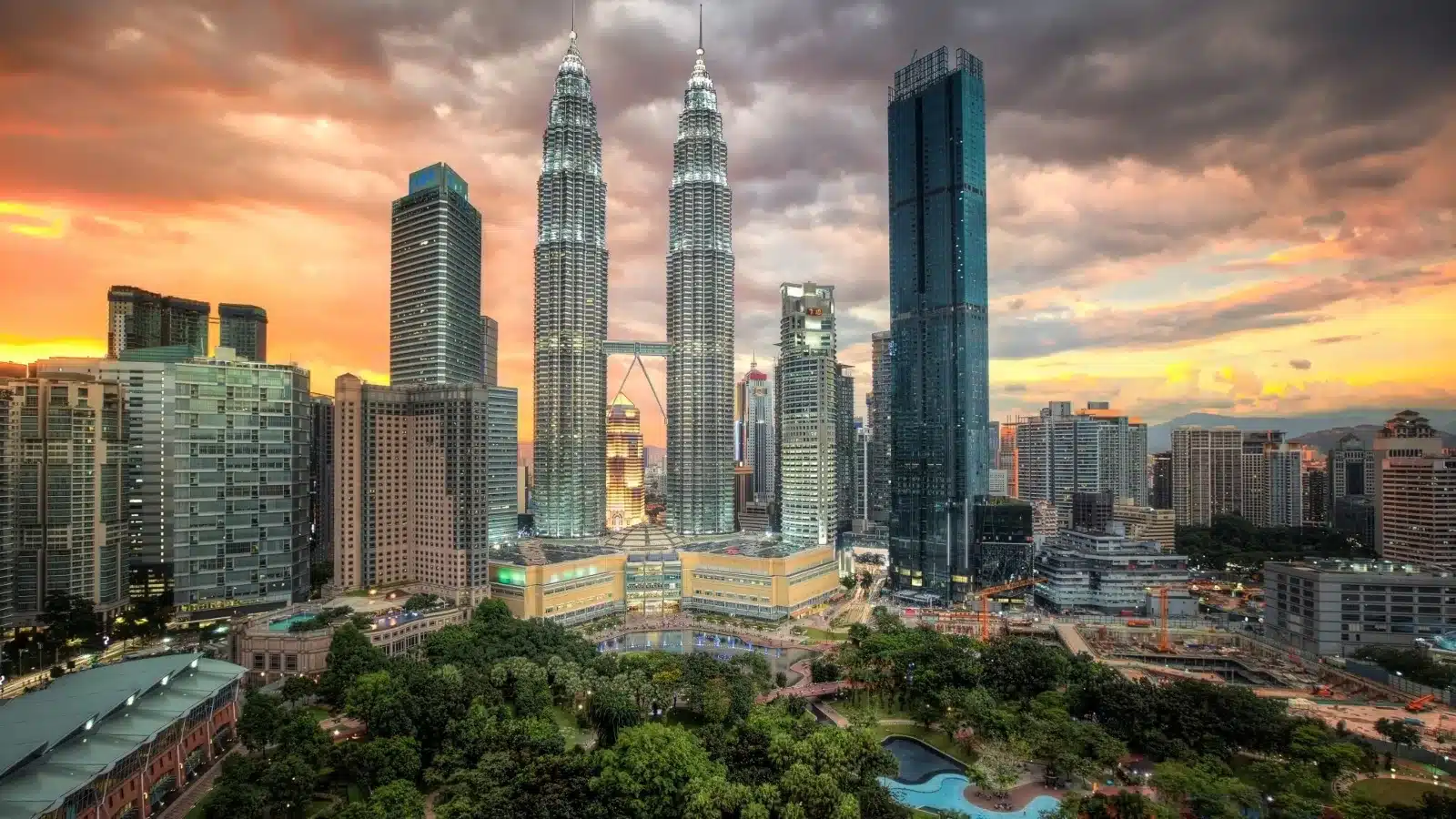
Photo Credit: Twenty20.
The Dangerous Drugs Act 1952 in Malaysia incurs a mandatory death penalty for the possession of drugs, depending on the quantity, which includes heroin, morphine, opium, cannabis, and cocaine. Individuals found with smaller amounts will be fined and can face imprisonment. Additionally, drunk driving beyond the legal limit can result in up to two years of jail time.
2. China

Photo Credit: Twenty20.
China has implemented several penalties to control drug abuse within its borders. Citizens in China can be subjected to random drug testing to detect any abusive drug intake. If caught using drugs, the government may mandate residence in a rehabilitation center, with the death penalty being a possible consequence for severe cases of abuse.
3. Vietnam
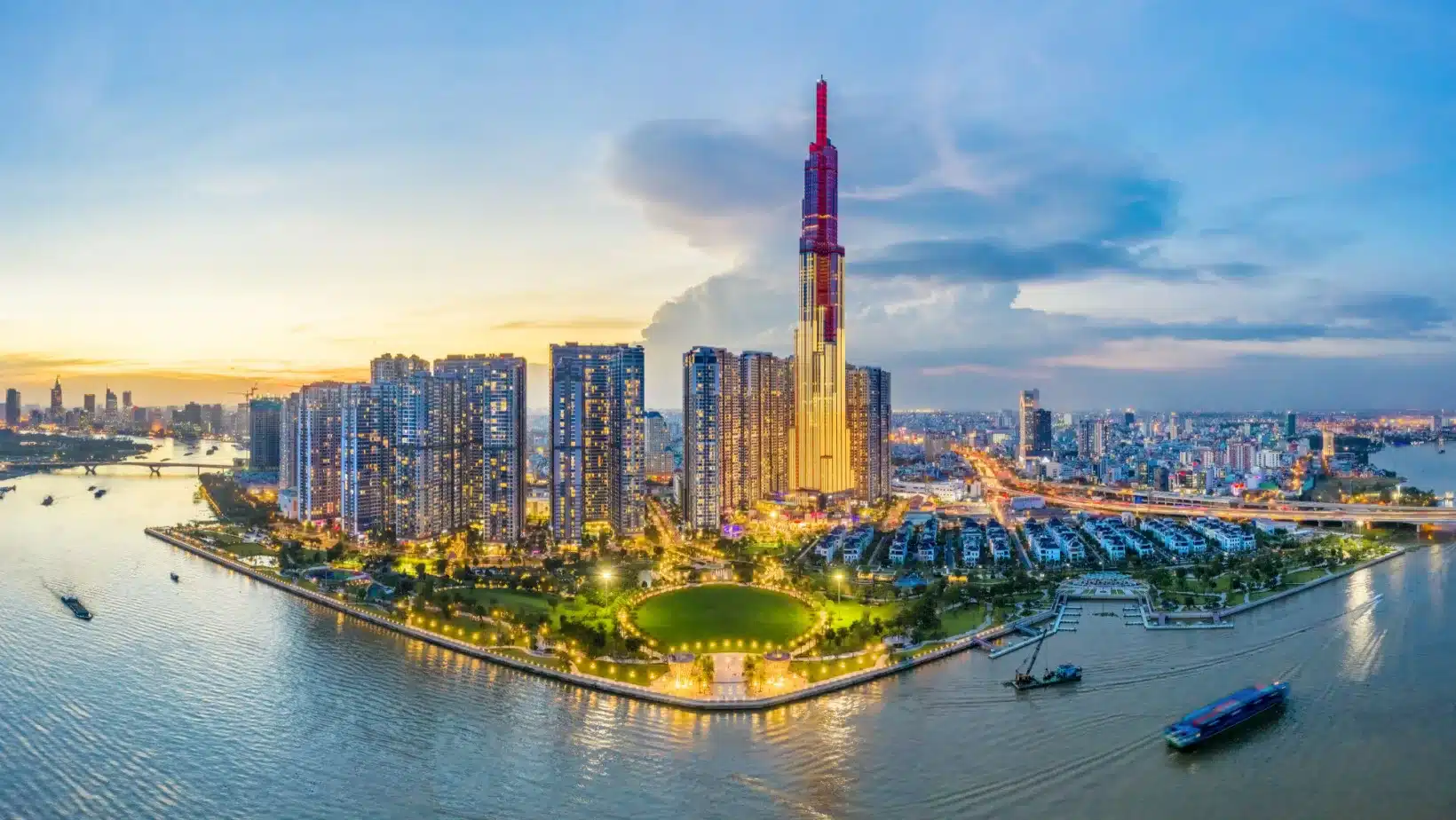
Photo Credit: Shutterstock.
Vietnam holds some of the harshest punishments in the world for drug abusers. Individuals caught with illegal possession of drugs may carry a penalty of life imprisonment, while any involvement in dealing illegal drugs is strictly prohibited. Further, individuals found guilty of trafficking 100 grams or more of heroin, methamphetamine, cocaine, or amphetamine can face the death penalty.
4. Iran
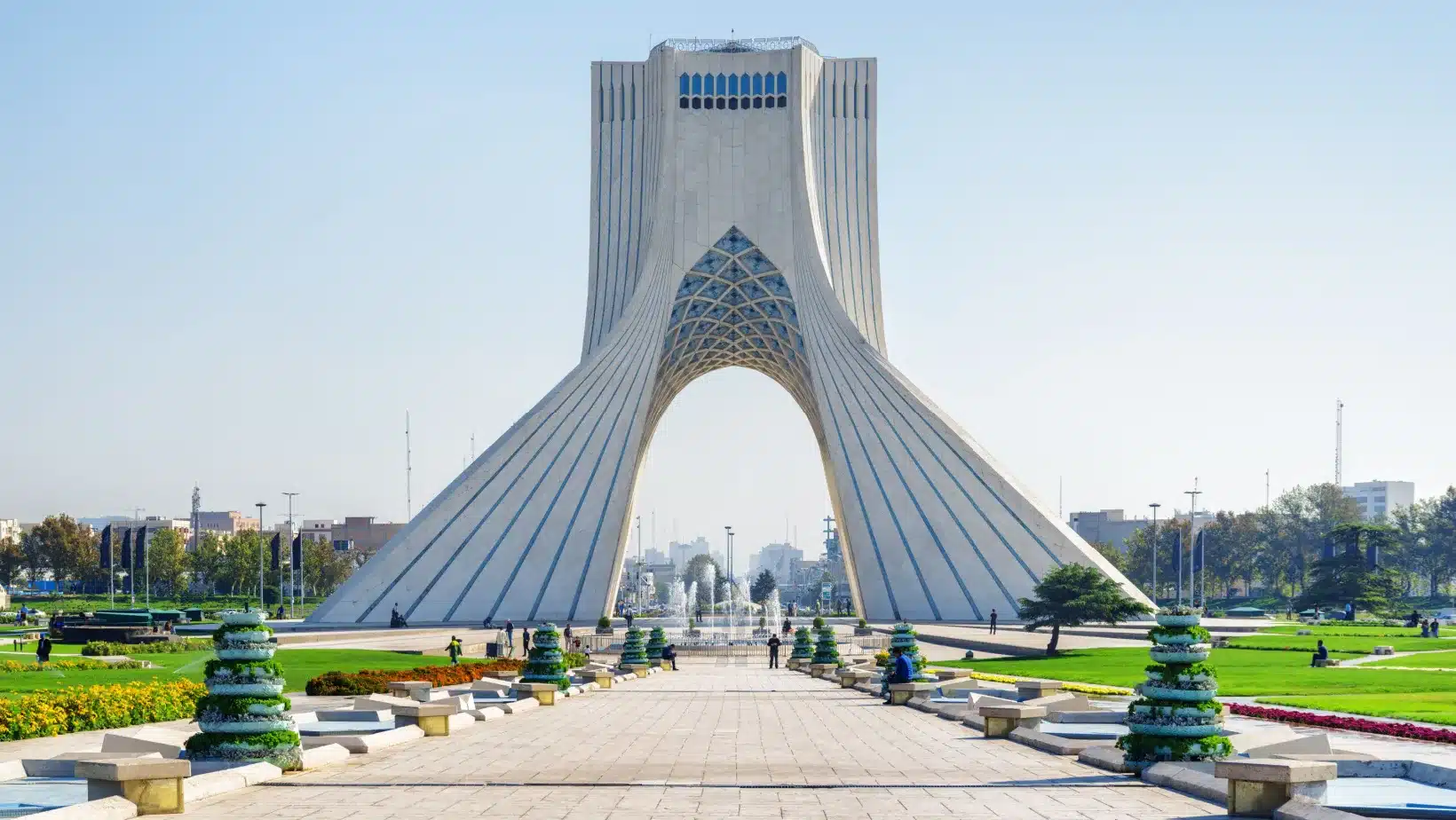
Photo Credit: Shutterstock.
Iran faces persistent issues with drug abuse, particularly with opium, due to the large-scale production in its neighboring country, Afghanistan. Possession of as little as 30 grams of heroin, morphine, cocaine, LSD, methamphetamine, or similar drugs is deemed a felony, by death or life imprisonment.
5. Thailand
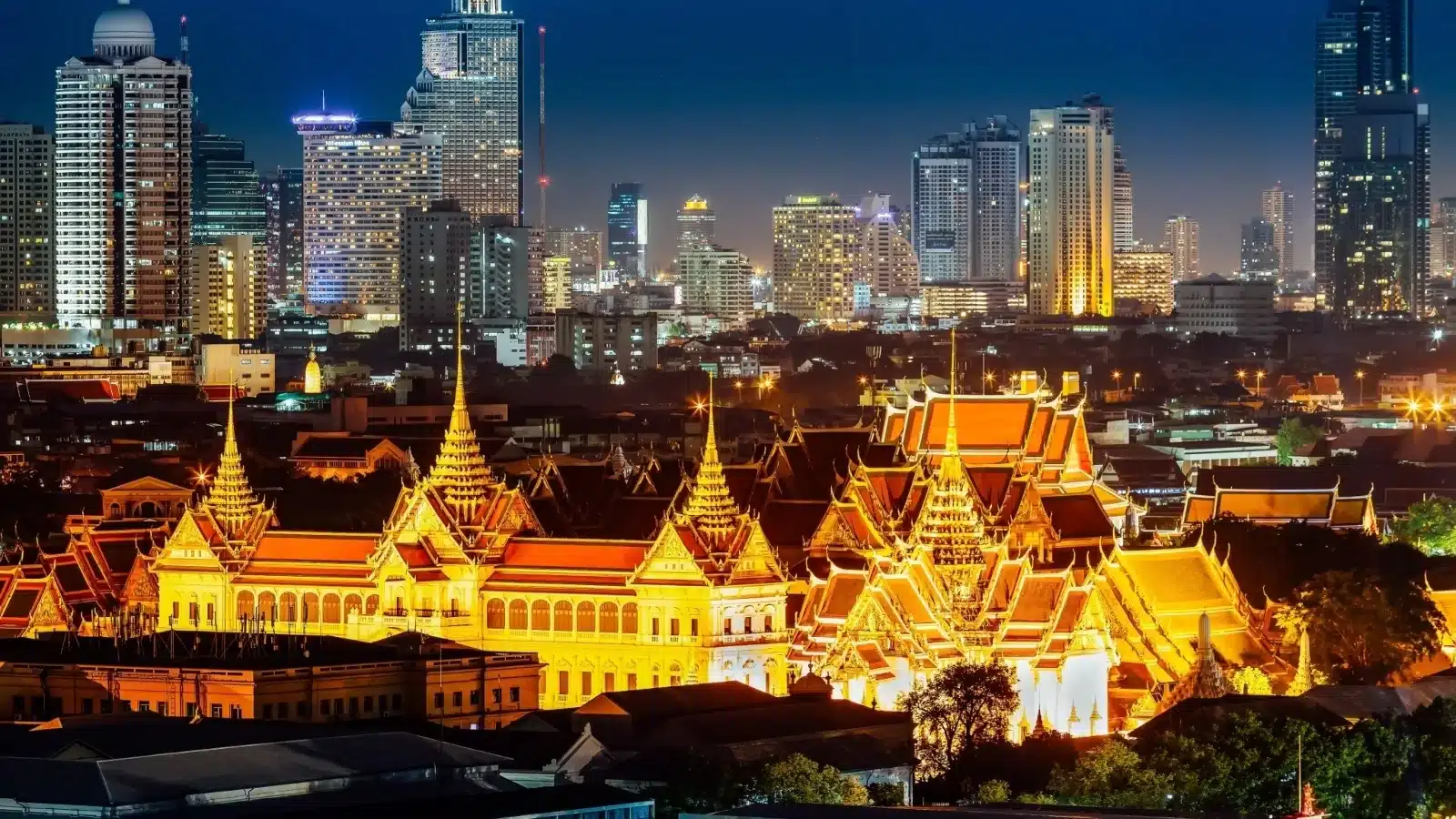
Photo Credit: Twenty20.
Thailand has relaxed its laws regarding certain drugs like marijuana, albeit in limited quantities and with age restrictions. However, strict regulations remain in place for narcotic drugs. Individuals charged with possession may be required to reside in rehabilitation centers, and in severe cases, could face life imprisonment, hefty fines, or even the death penalty depending on the quantity found.
6. United Arab Emirates

Photo Credit: Shutterstock.
The UAE has a zero-tolerance policy towards illegal drug use as well as drug trafficking. The strict approach to drug abuse is evident in its prohibition of medications that are legal in other countries with a prescription. While the rate of illegal drug use in the UAE is low by international standards, the most common drug threats include hashish, illegal pharmaceutical drugs, and heroin. Penalties for drug offenses may include life imprisonment, deportation, or the death penalty.
7. Saudi Arabia

Photo Credit: Shutterstock.
Possession of illegal drugs in Saudi Arabia can result in severe penalties, including fines, lengthy imprisonment, and death. Even alcohol, sale and consumption, is strictly forbidden and is punishable by the same penalties as drug offenses. Additionally, if you are a foreigner in Saudi Arabia, your government cannot intervene to protect you from these penalties.
8. Singapore

Photo Credit: Shutterstock.
Singapore also has a zero-tolerance stance towards drugs, including cannabis. The possession, consumption, manufacturing, import, export, or trafficking of drugs in any amount is illegal and can lead to the death penalty. Individuals caught with quantities below the threshold for the death penalty face penalties ranging from caning to life imprisonment. Foreigners face the same penalties as locals, with no opportunity for their government to intervene, similar to Saudi Arabia’s law.
9. Cambodia

Photo Credit: Shutterstock.
While Cambodia does not implement the death penalty for drug offenses or trafficking, the punishments in place are still extreme. Accused individuals may face life imprisonment and fines.
10. Indonesia
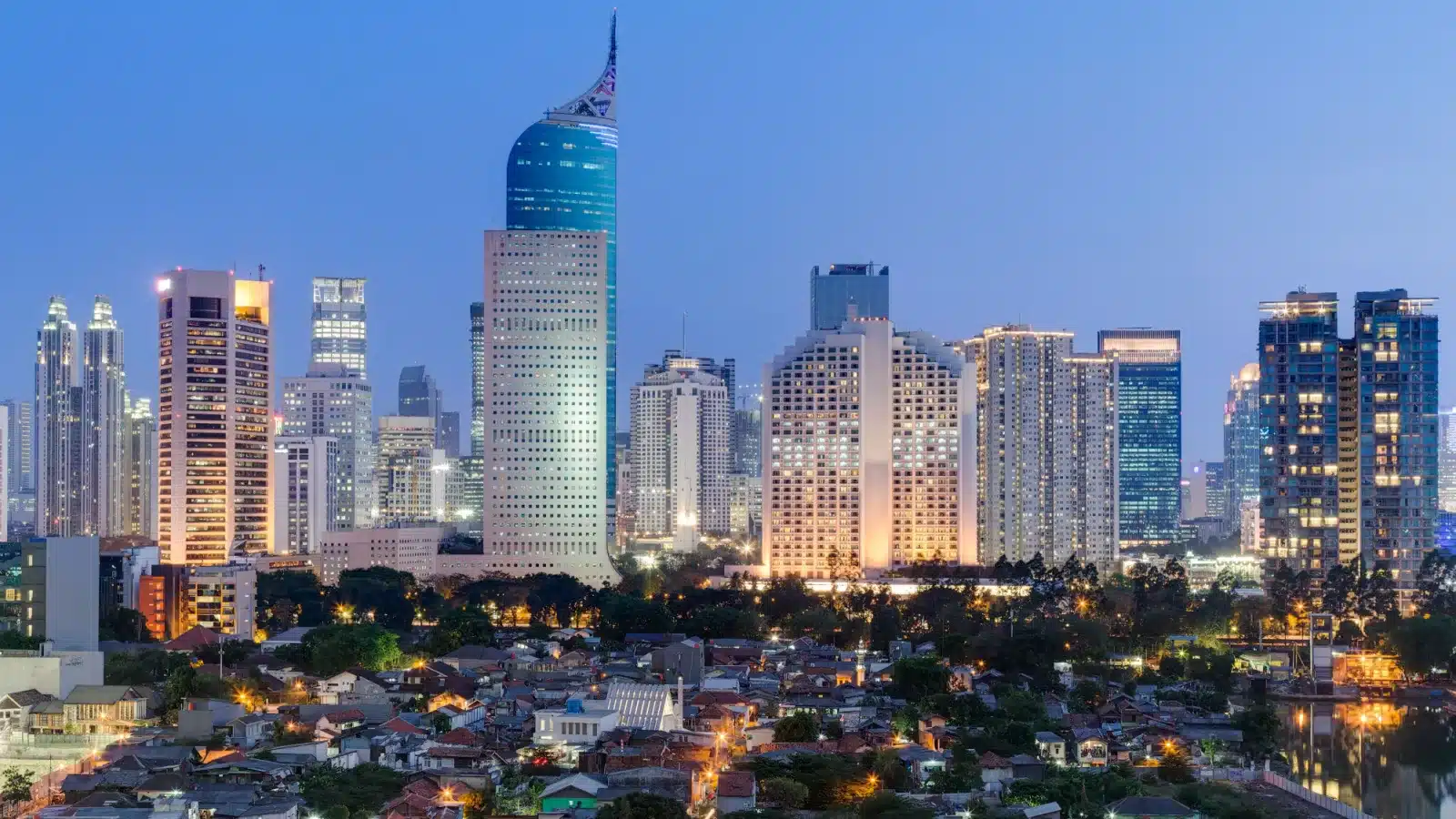
Photo Credit: Shutterstock.
Among other Southeast Asian countries, Indonesia has strict rules and regulations for drug offenses. For instance, being caught using marijuana can result in imprisonment for up to twelve years, while selling illegal drugs can lead to execution.
11. Laos

Photo Credit: Twenty20.
The punishment set for individuals in Laos caught in possession of narcotics is up to ten years imprisonment with heavy fines. Smoking is also banned. Possession of even less than a kilogram of illegal drugs can result in imprisonment for up to 7 years.
12. North Korea
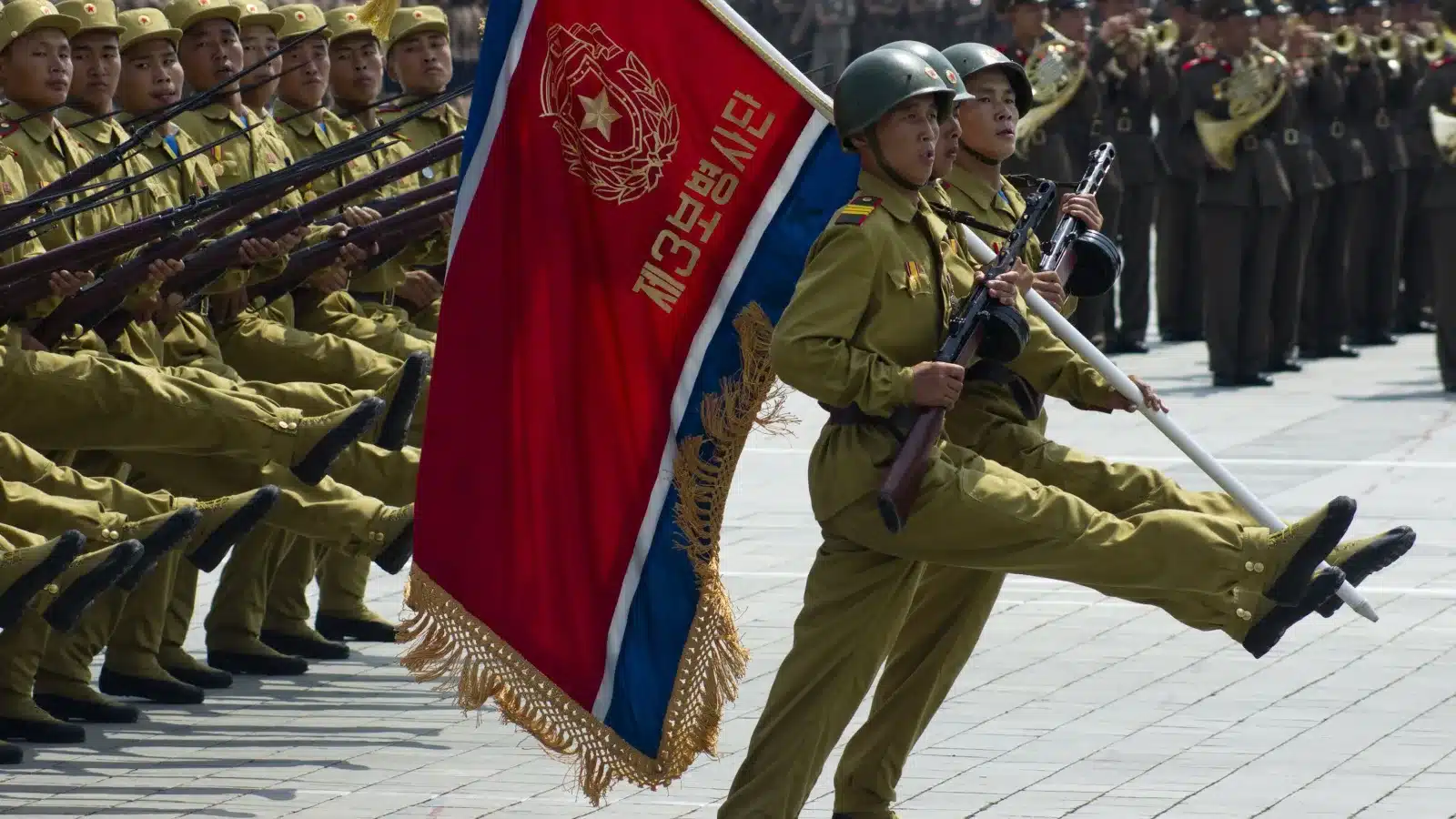
Photo Credit: Shutterstock.
Like other discussed countries, North Korea also imposes penalties including heavy fines, lifetime imprisonment, and execution, depending on the severity of the case. Despite these measures, North Korea has a history of large-scale production of certain narcotic drugs.
13. The Philippines
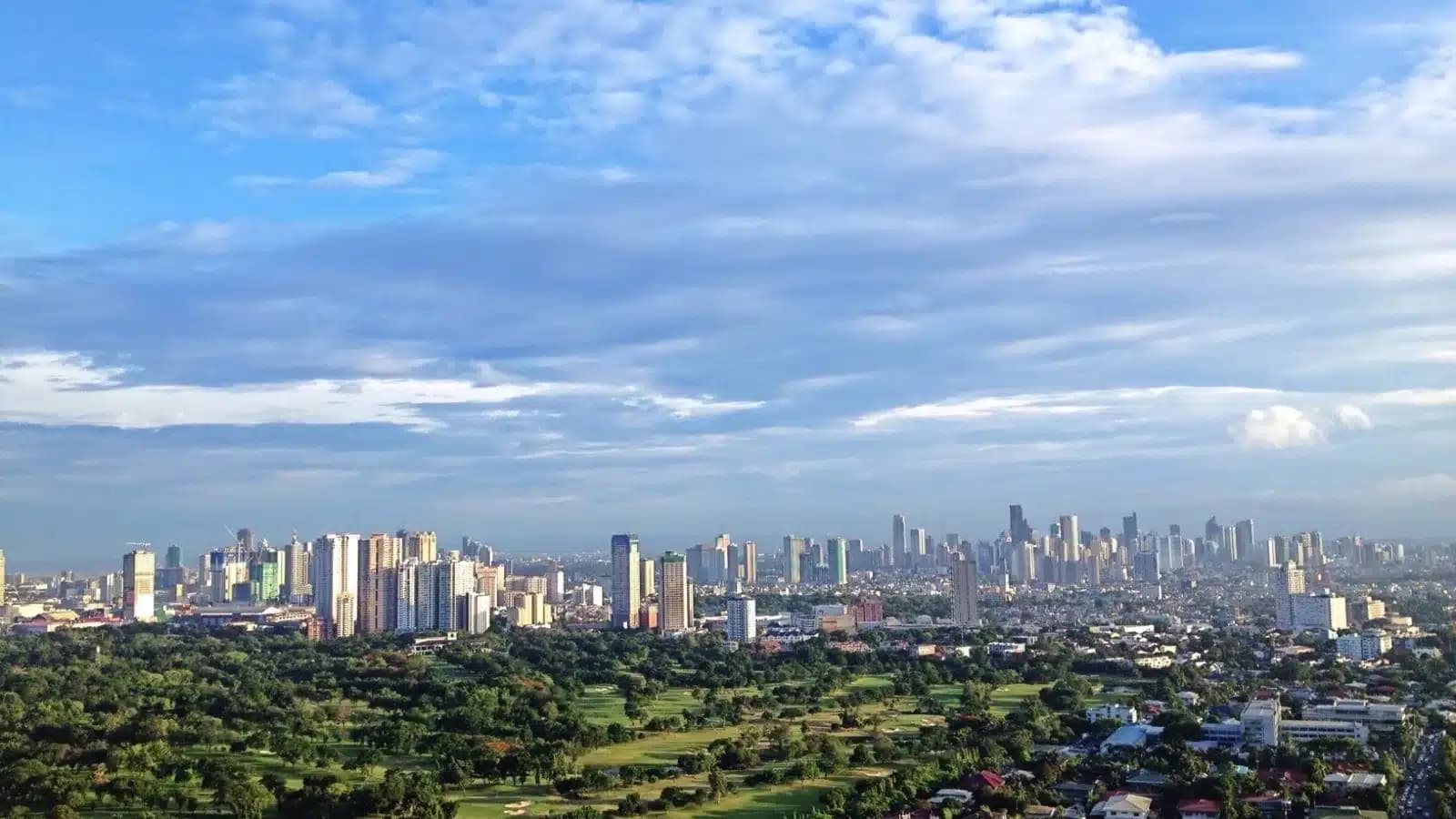
Photo Credit: Twenty20.
The Philippines enforces strict penalties to combat drug abuse, particularly targeting drug dealers. Even possession of a small amount of illegal drugs can lead to being labeled as a drug dealer. In fact, possessing more than a third of an ounce of drugs may lead authorities to suspect involvement in drug trafficking and being sentenced to the death penalty.
14. Turkey
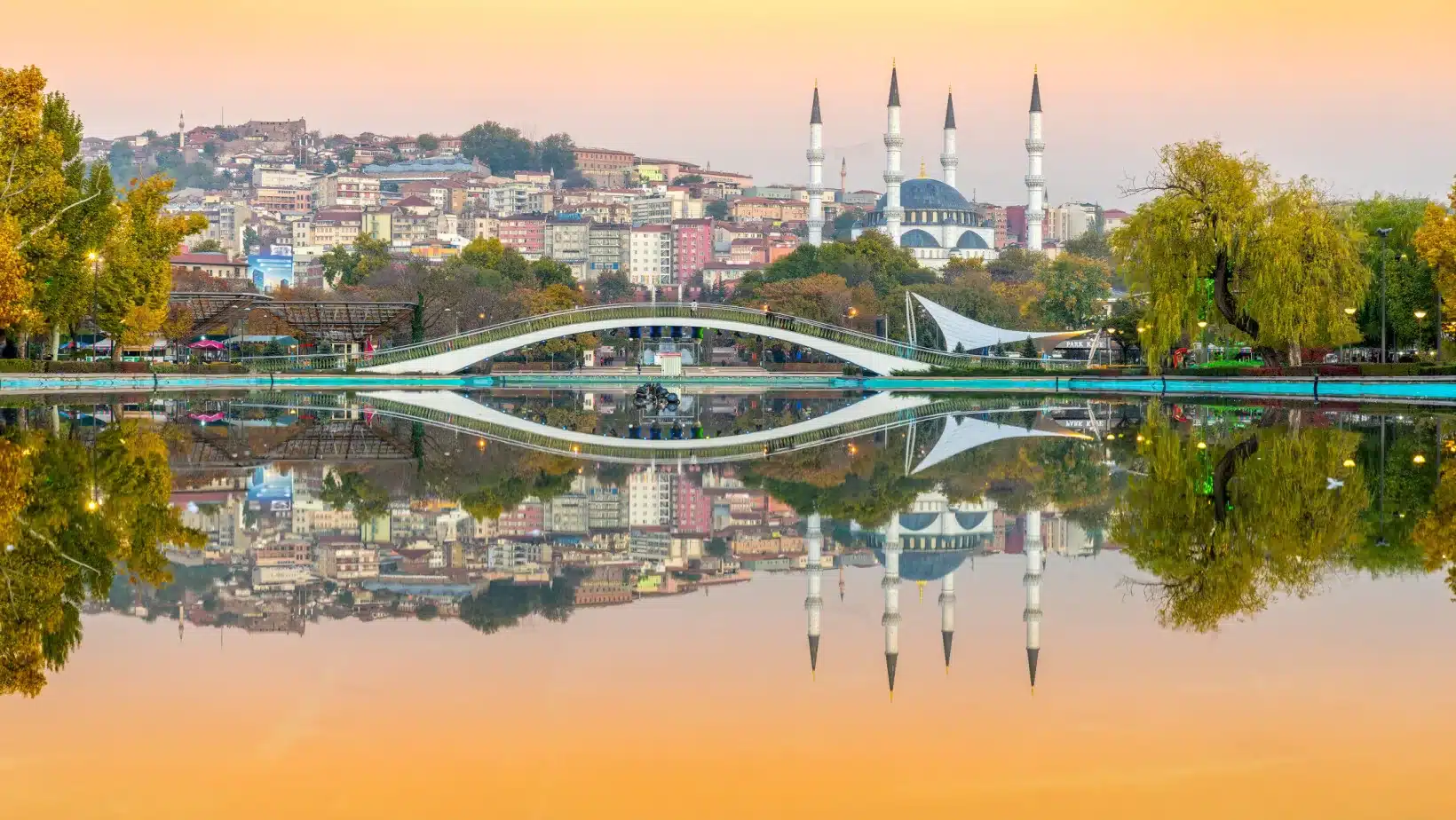
Photo Credit: Shutterstock.
In Turkey, nearly all drugs are considered illegal, and no legislation allows the medical use of non-pharmaceutical drugs, including codeine-containing medications. Individuals illegally involved in drug trafficking will face imprisonment or even execution.
15. Costa Rica

Photo Credit: Shutterstock.
In Costa Rica, possession of a limited amount of illegal drugs for personal use may not result in serious consequences, but selling or distribution of them will. There is no death penalty in Costa Rica and the maximum sentence for any drug-related offense is 20 years, precluding life sentences. While personal consumption of cannabis is technically illegal, it typically does not carry any criminal penalties. However, similar to any other illegal drug, selling and distributing marijuana can result in criminal punishment.
16. Columbia

Photo Credit: Shutterstock.
Colombia holds severe penalties for the possession, use, or trafficking of illegal drugs. Individuals found guilty can face sentences anywhere from 8 to 20 years, but no death penalty. The Colombian Constitution of 1991 explicitly states, “The right to life is inviolable. There will be no death penalty.”
➤ Learn more about living in Colombia
Source: American Addiction Center