The World’s Highest Inflation Is in These 10 Cities


September 10, 2024 · Updated October 31, 2025 · 5 min read
More and more individuals are choosing to uproot their lives in search of a better city that fits their lifestyle, financial means, and overall quality of life. However, as populations inflate and the housing supply struggles to keep up with demand, searching for a promising city becomes increasingly difficult. The latest findings from The Economist Intelligence Unit’s (EIU) “Worldwide Cost of Living 2023” survey highlight cities that have experienced the most dramatic spikes in prices over the past year. We’ll reveal the top 10, leaving you to ponder whether or not the city lives up to the costs.
10. Stuttgart

Photo Credit: Shutterstock.
Stuttgart, Germany’s sixth-largest city, is experiencing a surge in living costs as it continues to attract a growing number of residents. It’s been recognized for its high standard of living, with plenty of open green spaces, modern infrastructure, reliable public transport, and cultural events. In response to its growing population, Stuttgart is actively implementing plans to expand and enhance its infrastructure.
This increased demand has led to rising costs and housing shortages, particularly in escalating rental prices. The price of food and public transport tends to be slightly higher than the European average. Stuttgart is also known as the city of automobiles, home to famous automobile museums and industry giants including Mercedes-Benz and Porsche.
9. Rotterdam
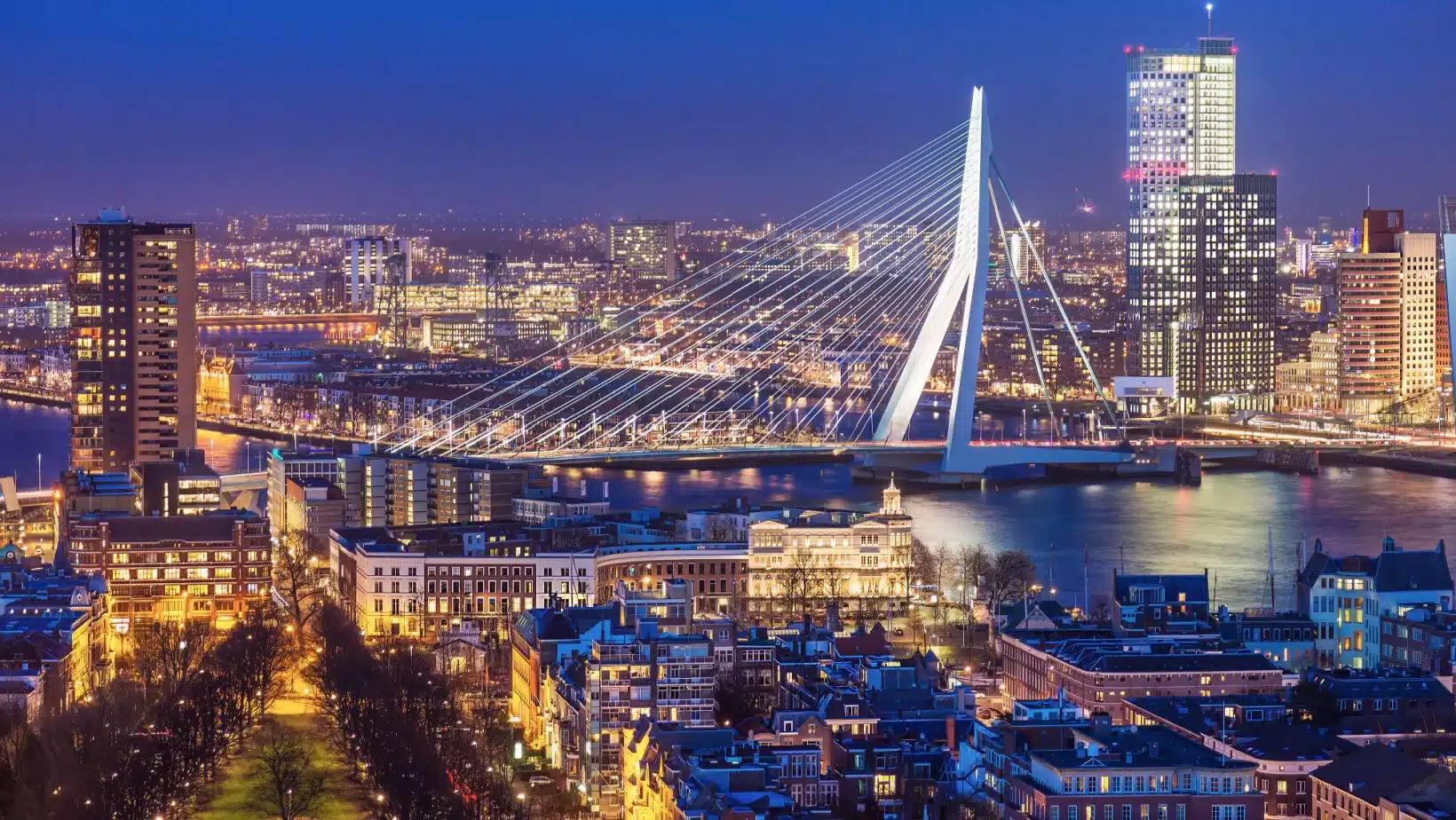
Photo Credit: Shutterstock.
Rotterdam is the second largest city in the Netherlands and home to the largest seaport in Europe. It’s known for its architecture, quality of life, and prestigious universities, including Erasmus University Rotterdam (EUR) which ranks in the top three percent of best universities worldwide.
Like Stuttgart, the city’s rising prices can be attributed to the increasing demand for housing, grocery prices, and general inflation.
8. Lyon
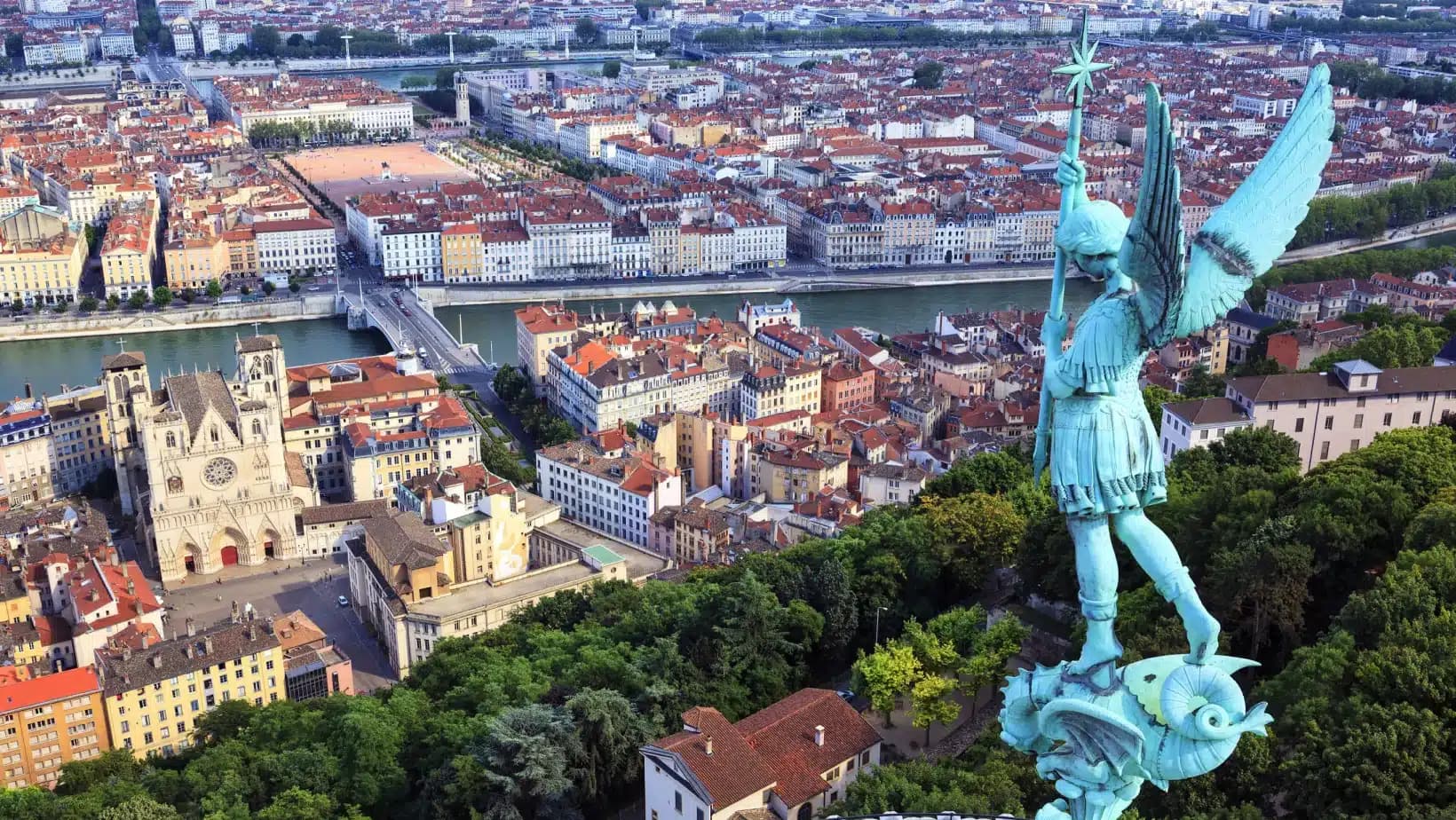
Photo Credit: Shutterstock.
France’s third-largest city, Lyon, is considered the second most expensive city in the country. It’s economically one of the largest centers for banking, pharmaceutical, chemical, and biotech industries in Europe, with the software sector catching up. Lyon also has a reputation as a student city, with approximately 180,000 students and home to more than 30 impressive universities.
In terms of the high cost of living, real estate prices increase year after year, while both rent and food prices remain notably high. Lyon is more affordable than Paris but is still one of the most expensive cities in France.
7. Prague
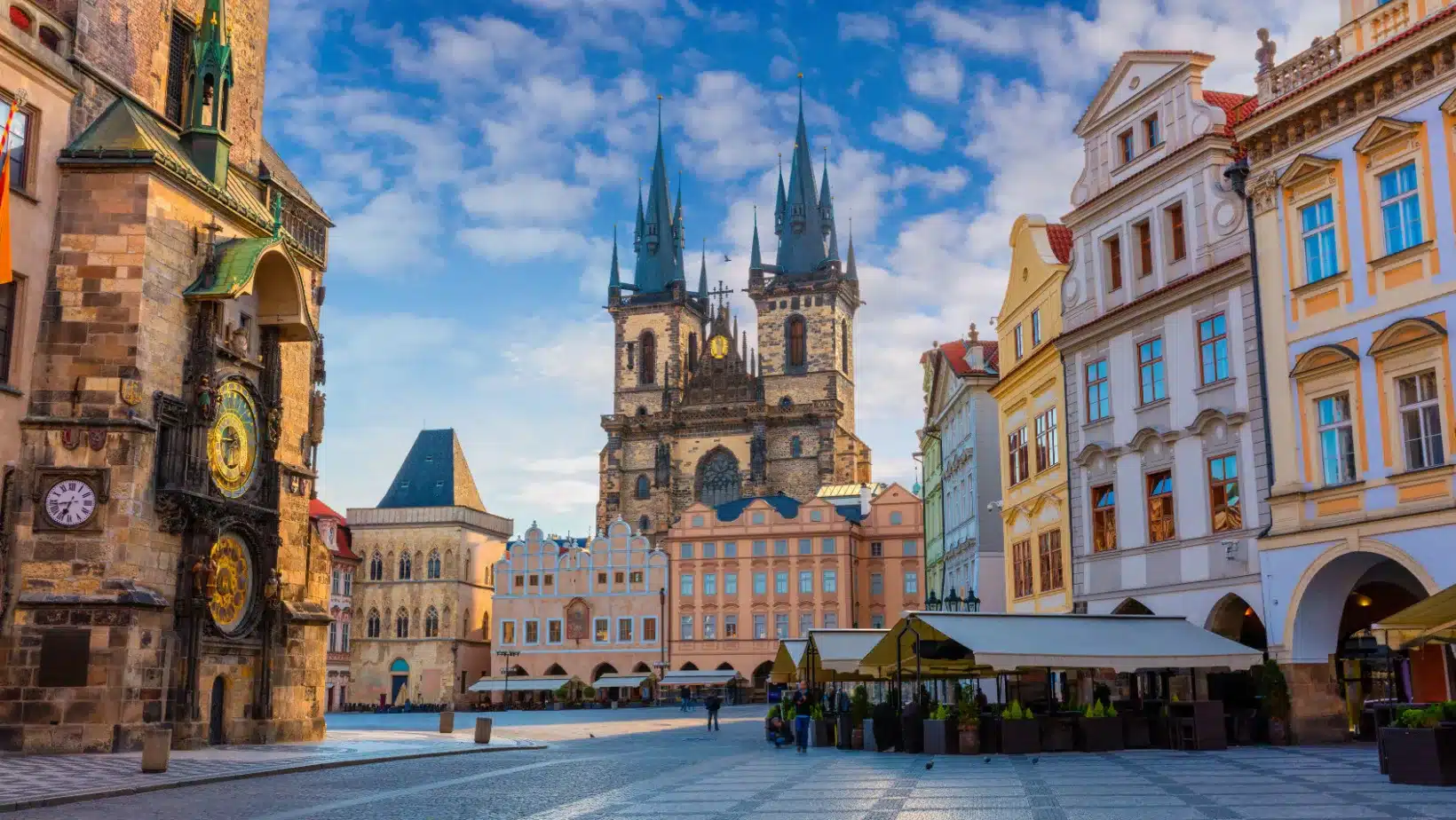
Photo Credit: Shutterstock.
Prague, the largest city in the Czech Republic, is mainly known for its historic architecture from several different time periods including the Gothic, Renaissance, and Baroque eras. As a central hub within Europe’s economy, approximately twenty-five percent of the Czech Republic’s annual production comes from Prague, with half of the national tourism income spent in the city.
The expensive cost of living is evident, particularly in food and property prices which are equivalent to cities like London, Munich, and Paris.
6. Manchester
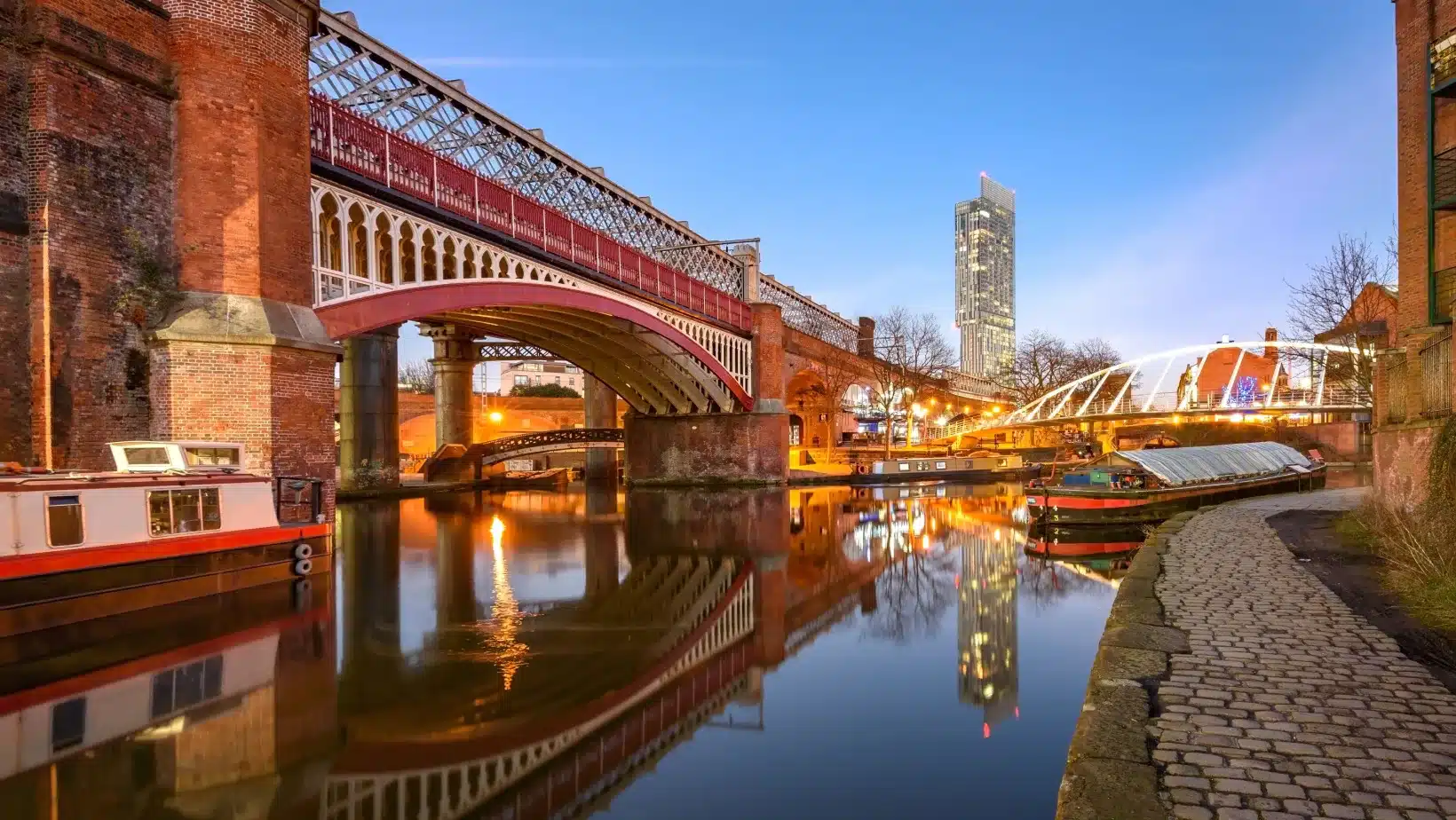
Photo Credit: Shutterstock.
Manchester is famous for being the first industrialized city in the world. Today, it’s the UK’s leading producer of cotton and textiles and stands out for its culture, transportation, architecture, social impact, and musical exports.
The city’s living expenses are notably higher than the UK’s national average, with housing costs exceeding the average by 10 percent and utility prices by 15 percent. Transportation expenses, including bus fares and gas prices, also surpass the national average.
5. Luxembourg City
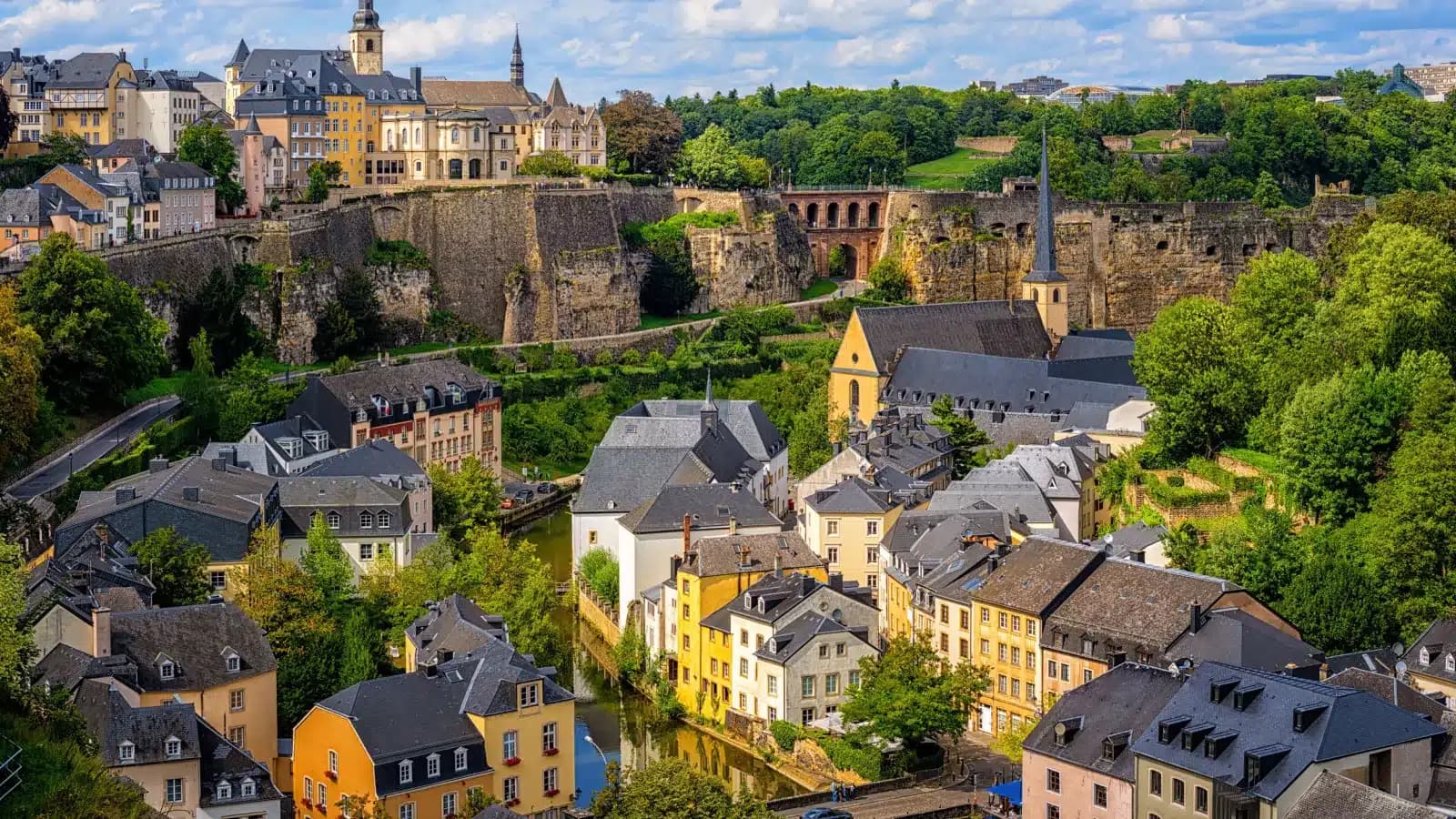
Photo Credit: Shutterstock.
Luxembourg City, the capital and largest city of the small European country with the same name, finds itself among the cities experiencing rising costs. In 2024, it was ranked as having the highest GDP per capita in the world. The city has evolved into a prominent banking and administrative center, attracting attention internationally.
Despite its small size, Luxembourg’s diversity is through the roof. Today, about 80 percent of the population’s growth is from immigration. Lastly, the city has an exceptional living standard, an impressive low crime rate, and a sense of safety, which is linked to the city’s overall prosperity.
4. Berlin
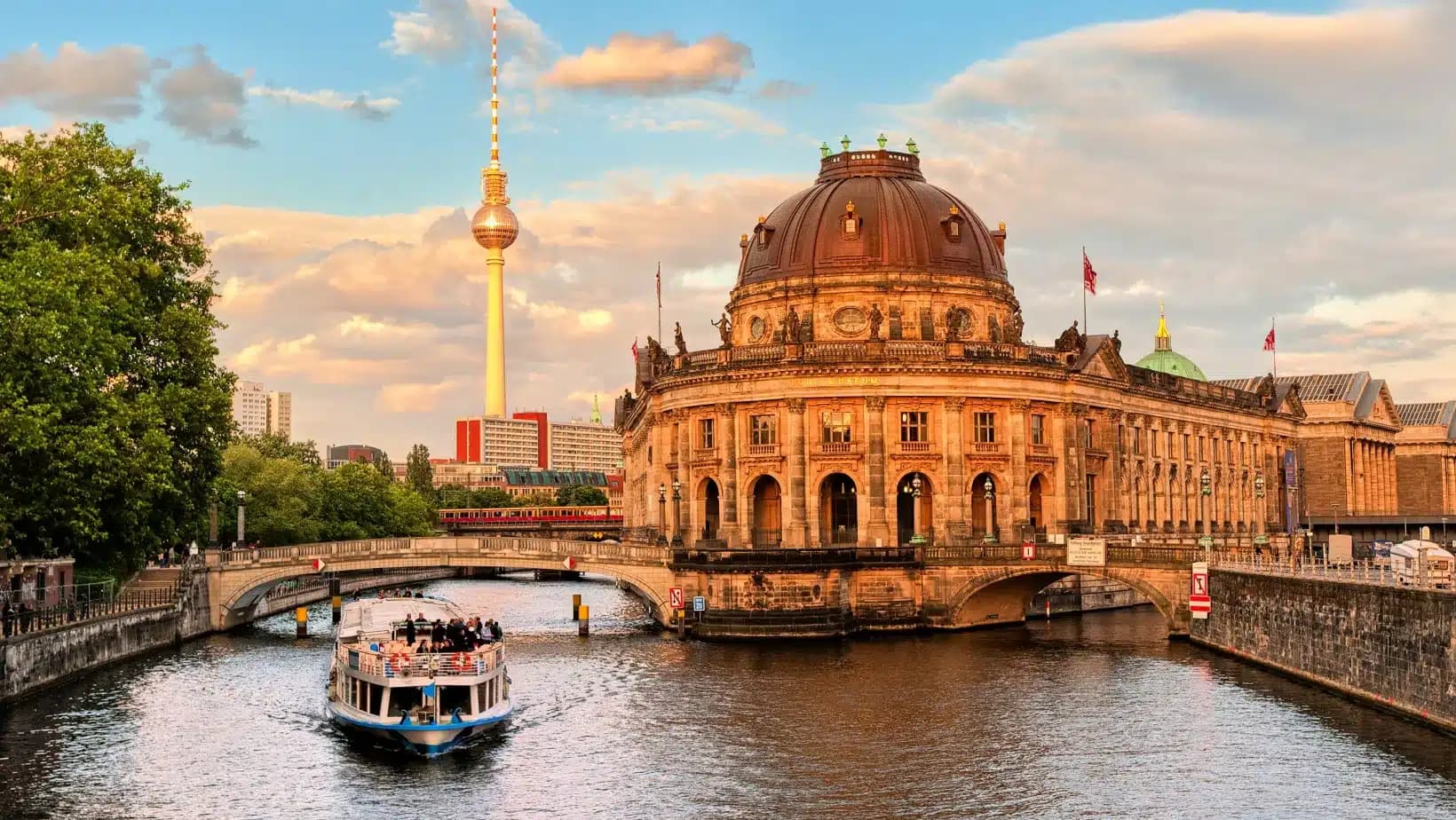
Photo Credit: Shutterstock.
Berlin, Germany’s most populous city, holds appeal as an urban oasis that’s never far from nature, with abundant lakes, parks, and forests. It’s also admired for its landmarks, museums, art galleries, and overall celebration of German culture. It’s also home to several prestigious universities, including the Humboldt University of Berlin with its world-class reputation in arts and humanities. It’s no wonder Berlin has been declared the most livable city in the world numerous times.
Of course, the city’s desirability comes at a cost. Several factors contribute to Berlin’s high cost of living including the demand for housing, which inevitably drives up rent prices. Over the last seven years, data from federal and local sources has revealed a mighty 44 percent surge in Berlin rents.
3. San José
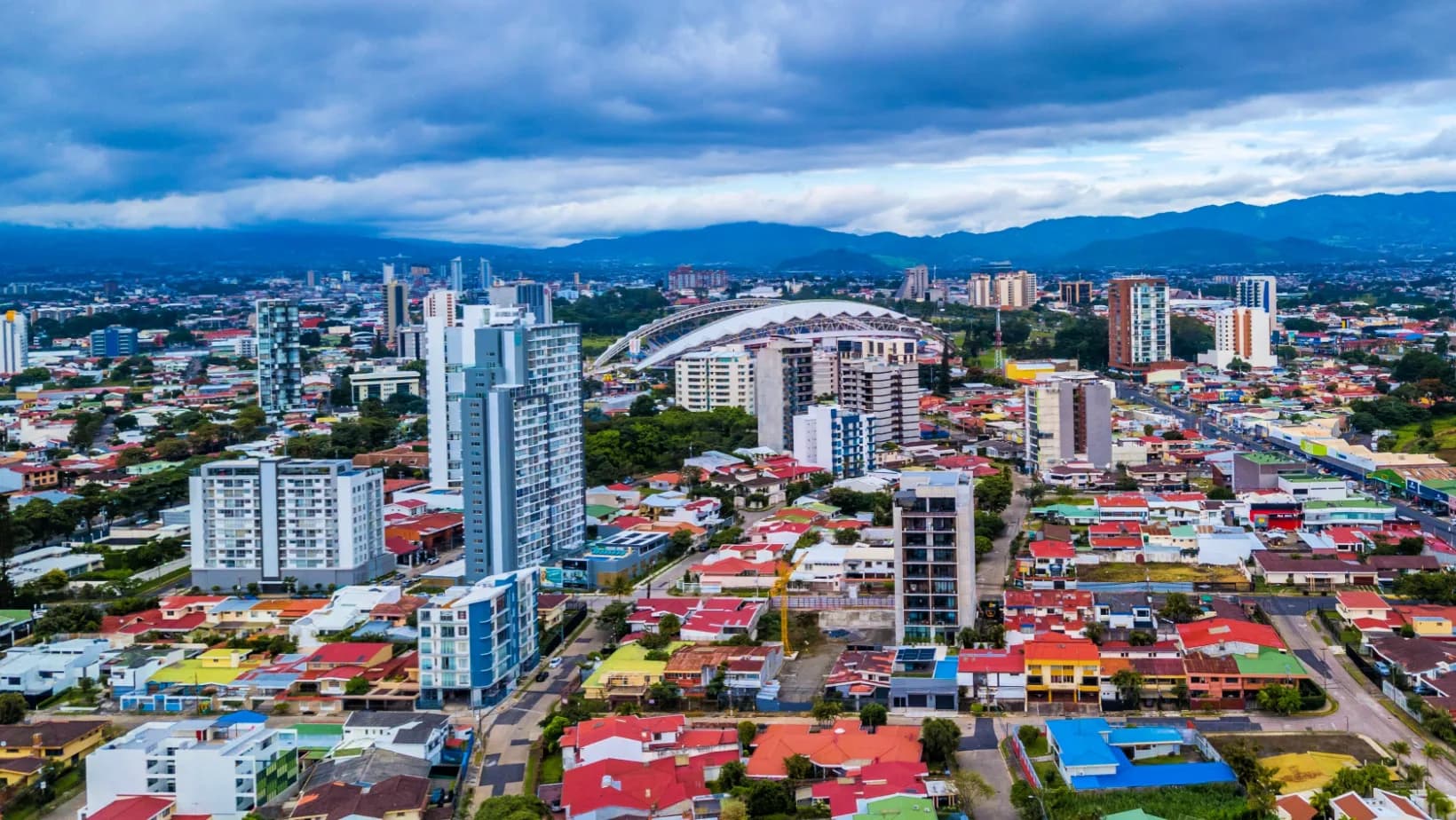
Photo Credit: Shutterstock.
San Jose has seen a dramatic increase in its cost of living, making it the third city in the world to become more expensive in the past year. According to the report, San Jose jumped up 38 spots from 2022. Costs across various categories have spiked, including groceries, transportation, utilities, and more. Also, San Jose naturally commands higher prices as a popular tourist site, and Costa Rica’s most visited city
Moreover, San Jose serves as Costa Rica’s primary transportation hub and the epicenter of economic activity, with no signs of slowing down.
2. Aguascalientes
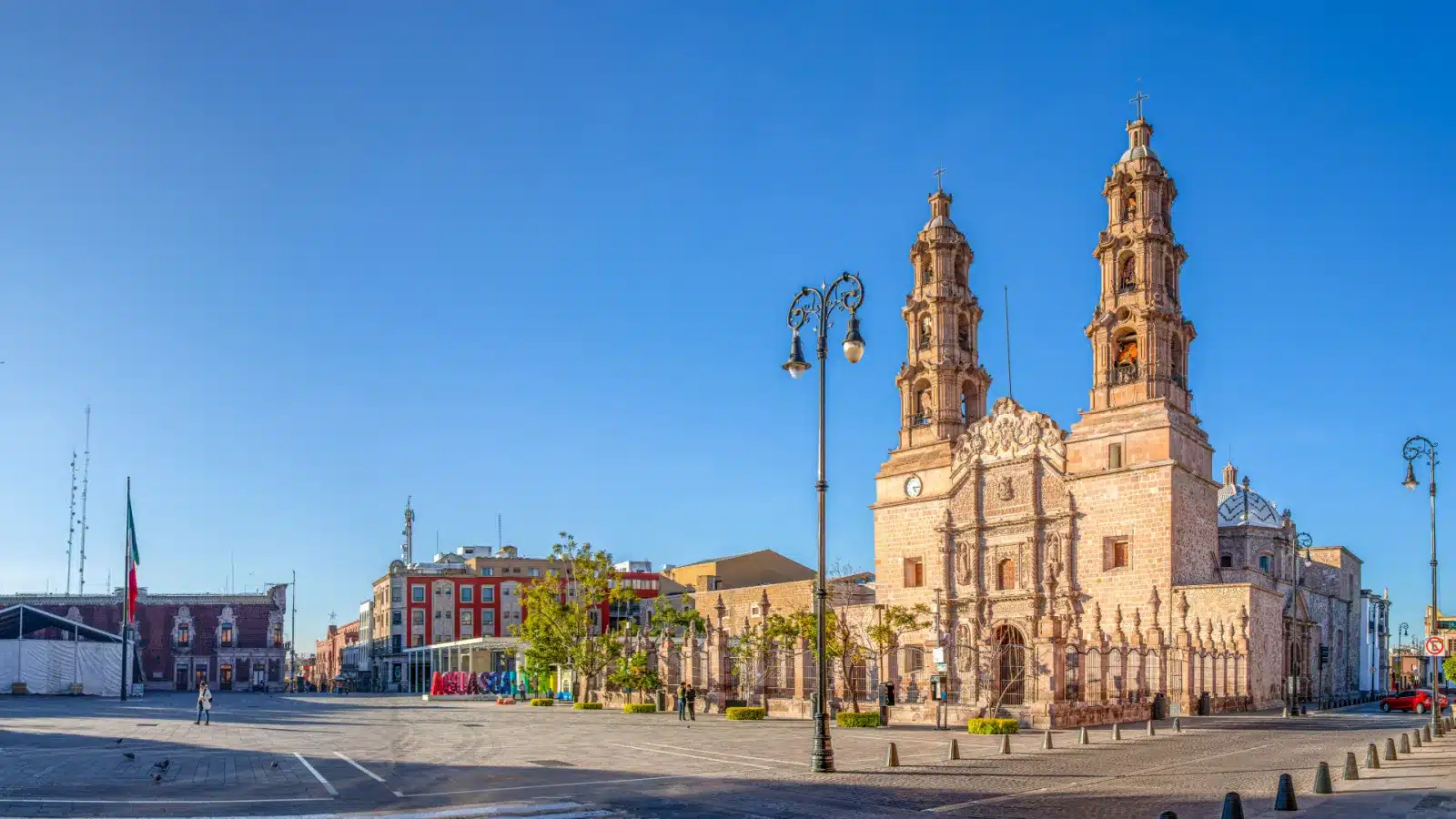
Photo Credit: Shutterstock.
Aguascalientes, located in central Mexico, is known for its beautiful historic buildings, beaches, and high standard of living. It’s also home to a thriving automotive industry, with key players such as Nissan and Mercedes-Benz anchoring Mexico’s production output. Aguascalientes was originally founded in the agricultural, textile, and mining industries, and has since evolved into a dynamic economic hub.
The city’s dramatic increase in the cost of living has resulted in a rise of 39 positions in the survey rankings over the span of two years.
1. Santiago de Querétaro
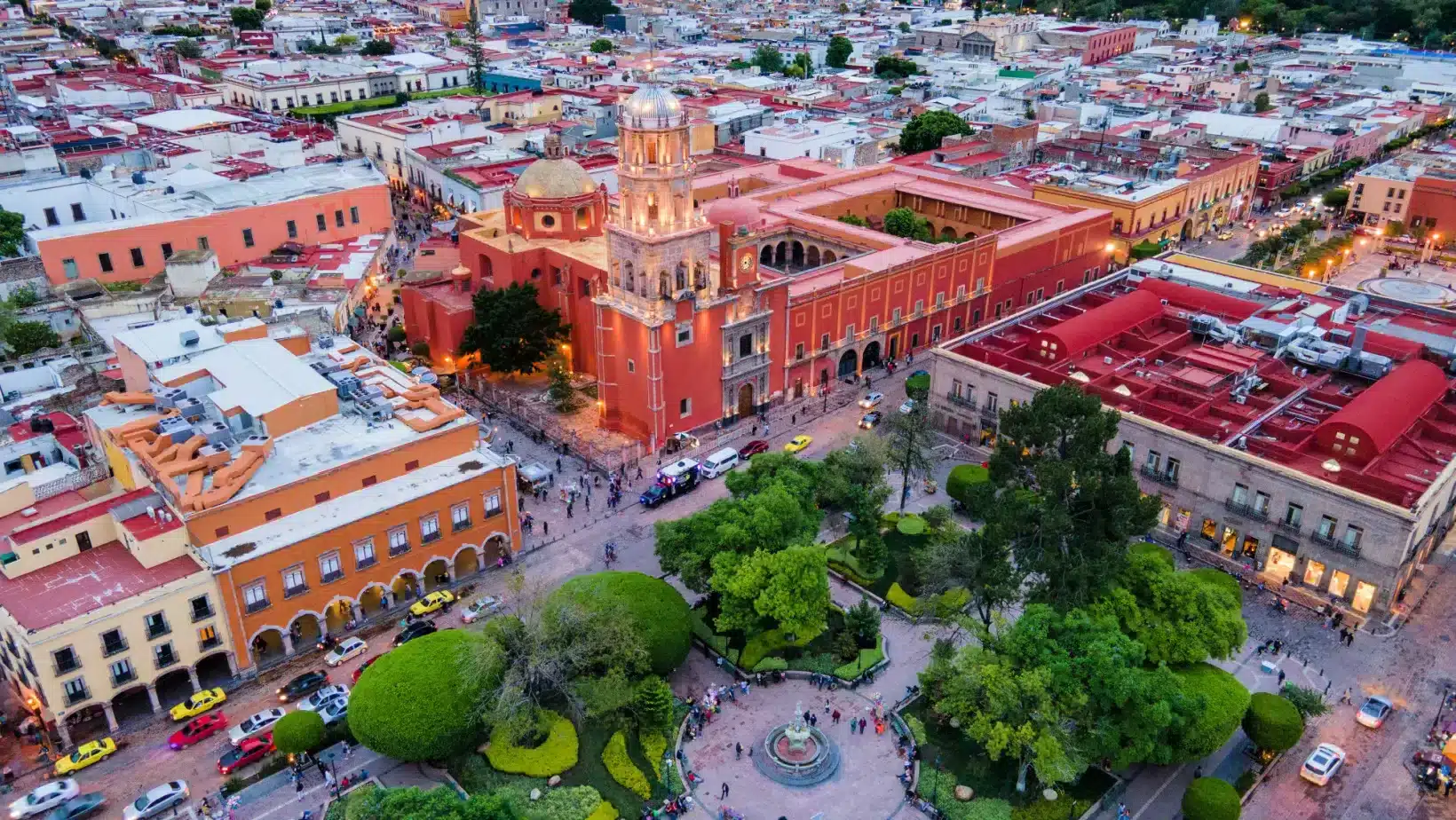
Photo Credit: Shutterstock.
Another jewel in Mexico is Santiago de Querétaro, leading the pack as the top city becomes increasingly expensive. Thanks to its current strides in social and economic development, Santiago de Querétaro, the capital of Querétaro state in central Mexico, stands as a focal business center. The city is experiencing success in industries such as aircraft manufacturing and IT. It’s also considered a beautiful well-preserved Spanish colonial city with historic centers and architecture.
It’s well-known that life in Mexico is becoming more expensive, with cities like Santiago de Queretaro and Aguascalientes standing shoulder to shoulder in this upward cost of living trend. The surge in their rankings can be attributed not only to the strengthening peso but also to inflation.
➤ Learn about moving to Mexico
Source: EIU
➤ If Inflation Has You Down, Here Are 10 Cities Where Prices Are Falling