5 Countries With A Higher Quality Of Life Than The U.S.


May 12, 2026 · Updated May 20, 2026 · 4 min read
A lot of Americans are asking themselves today if life could be better somewhere else. In 2026, the data suggests the answer isn’t just “yes,” but “yes, and when?” For all that can be said about the details of everyday life in the U.S. (and a lot can definitely be said), one verifiable fact is that it has slipped to #23 in the annual World Happiness Report. Add that gap is being filled by nations that prioritize health, free time, safety, and stability.
What does a “better quality of life” actually mean?
Quality of life is not just about the numbers in your bank account – it’s about how far that money actually goes. The Quality of Life Index measures the efficiency of the healthcare system, the cost of housing, and personal freedom. In these destinations, a high standard of living isn’t a luxury for the few-it’s the baseline for everyone.
If you’re looking for a place where well-being doesn’t depend on, for instance, paying suffocating insurance premiums, here are five real options.
1. The Netherlands: The Paradise of Balance
The Netherlands consistently sits at or near the top of the list, and it hit the #1 spot for quality of life in 2026. They didn’t get there by luck, but by design.
In the Netherlands, work-life balance is protected by law. It’s not uncommon to see offices empty by 4:30 p.m., because people actually have lives outside of work. Also, urban design ensures that transportation costs are minimal – commuting by bike or train is the norm, saving the average expat about $8,000 a year in car maintenance. It is, by far, one of the best expat destinations for those seeking efficiency without the burnout.

2. Spain: Luxury at a Reasonable Price
For many, Spain is Europe’s best financial life hack: It offers a high standard of living at costs comparable to some famously budget-friendly nations.
For instance, budget: A couple can live wonderfully in Valencia or Seville on about $2,800 a month. Healthcare: Spain’s universal healthcare system is a gem. Residents access cutting-edge medicine without catastrophic bills. And the overall vibe: Life happens in the plazas. The focus on community and long dinners explains why Spain always shines in any happiness report.

3. Denmark: Safety and Social Trust
Denmark isn’t just a country – it’s a system that works. While taxes are high, the net benefit is undeniable because it eliminates many of an American’s biggest financial fears.
Education and healthcare are free. The Danish system is built on trust: You trust your neighbor and your government. This sense of security allows children to walk to school alone and keeps daily stress significantly lower. On the Quality of Life Index, Danish peace of mind is in a league of its own.

4. Portugal: Sun, Safety, and Savings
Over the years, Portugal has moved from being a hidden secret to the top destination for those seeking a quiet retirement or a peaceful remote work setup.
Portugal remains one of the most affordable corners of Western Europe. With about $2,200 a month, you can live comfortably outside the ultra-tourist zones of Lisbon. Its private healthcare for foreigners is incredibly cheap (between $100 and $200 a month), and the fact that a large portion of the population speaks English makes the transition much easier than in other countries.
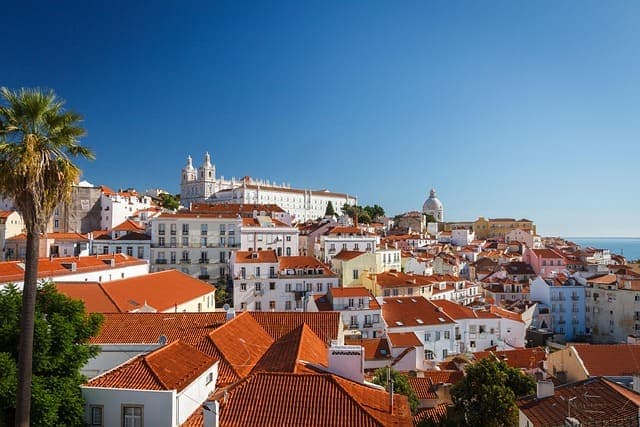
5. Finland: A Real Connection to Nature
For the eighth consecutive year, Finland leads the World Happiness Report rankings. Its secret in 2026 remains the quality of its environment.
Although a cost of living comparison shows high prices at the supermarket, the real cost of living in Finland drops when you remove university tuition and multi-thousand-dollar medical deductibles from the equation. It’s a country for people who love fresh air – even in Helsinki, you’re never more than 10 minutes from a forest or the sea. It’s the ultimate choice for those seeking absolute safety and a healthy environment for their children.

What you should know before moving
Moving abroad is not a permanent vacation. Keep in mind:
- Taxes: As a U.S. citizen, you’re still stuck filing with the IRS no matter where you live.
- Visas: Some countries are adjusting their visa standards to prioritize immigrants most likely to contribute to society and the economy.
- Culture: Learning the local language is the difference between being an eternal tourist and truly feeling at home.
If political stability is your priority, read our guide on countries with stronger democracies than the U.S.. And if you’re ready to start thinking about moving abroad, Expatsi has experts who can help you align your income and goals with the ideal destination – start with the Expatsi Test.
FAQ
What is the real cost of living in these countries in 2026?
In Spain or Portugal, a couple lives well on $2,500–$3,500. In the Netherlands or Denmark, it rises to $4,500–$5,500. The key difference is that there are no “surprise expenses” for medical emergencies.
How does healthcare compare to the U.S.?
In these five countries, healthcare is a right. Forget about $5,000 deductibles or searching for “in-network” hospitals – care is affordable, and preventive care is superior and much more accessible.
Which country has the best work-life balance?
The Netherlands and Denmark win in terms of office hours (you’ll rarely see someone working past 5 p.m.). Spain and Portugal win on the cultural side – the priority will always be coffee with friends or family.