Top 10 Cities in Mexico for U.S. Expats


March 16, 2026 · Updated May 8, 2026 · 5 min read
In conversation about relocation, Mexico gets a lot of credit as a retirement dream and a remote work paradise. And both can be true – it’s a great destination for expats. But some people still struggle with the move – and when they do, it’s often because they picked their destination based on vacation memories, rather than actual day-to-day concerns..
Living in Mexico as an American works when you match your choice to your real budget, healthcare needs, and lifestyle expectations. Here’s what that actually looks like.
What to Evaluate First
Forget beaches for a moment. The factors that predict long-term satisfaction are housing stability, healthcare access, and daily routine quality.
When comparing top expat cities in Mexico, the practical checklist looks like this:
- Safety by neighborhood, not broad reputation
- Realistic rental costs and lease flexibility
- Private clinic access and English-speaking providers
- Strength of local expat communities
- Whether the location fits remote work, local employment, or retirement
The Cost Reality
The cost of living in Mexico for expats varies more than most guides admit. Coastal and tourist-heavy areas often charge near-U.S. rates for rent and dining. Inland destinations tend to offer far better value for comparable quality.
Rough monthly ranges for one person:
- Budget: $1,200 to $1,600 — local neighborhood, market shopping, public transit
- Comfortable: $1,800 to $2,500 — central area, private insurance, regular dining out
- Premium: $3,000+ — top neighborhoods, imported goods, private clinic as default
Housing drives most of the difference. Be sure to get that number right before building the rest of your budget.
Where People Actually Settle
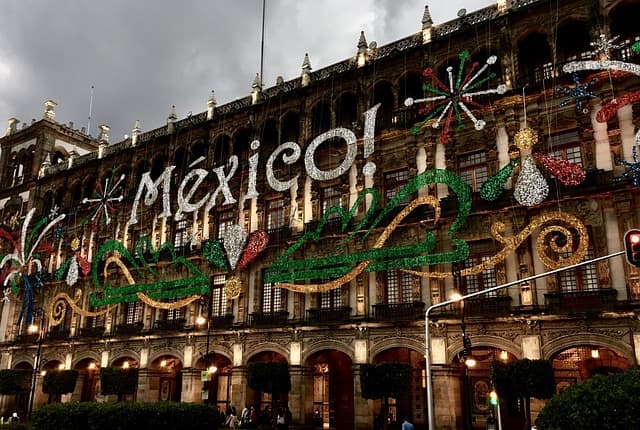
Mexico City suits people who want urban energy and career options, although costs can vary widely by neighborhood. This tends to be the strongest choice for living abroad in Mexico if professional access is a priority for you..
Guadalajara offers big-city infrastructure at lower prices than the capital. You’ll find solid private healthcare, a growing tech sector, and generally good value across the board.
Ajijic is where you’ll find one of the most established foreign communities in the country. The lake chapala expat community has been in place for decades — social clubs, bilingual services, and real support networks. This is best suited for retirees who prioritize routine and community over career access.
San Miguel de Allende is walkable, social, and consistently popular. Housing costs more than most inland alternatives, but lifestyle quality is high.
Mérida comes up often in conversations about the safest cities in Mexico for expats. You’ll enjoy a calm pace, solid infrastructure, and growing services. It’s a strong long-term option, particularly for retirees.
Puerto Vallarta offers beach living with real services behind it. Costs do rise in tourist zones, but nearby neighborhoods can still work within a reasonable budget.
Playa del Carmen attracts remote workers and younger expats. You’ll find modern amenities and a large international crowd, but rental costs climb fast. Budget discipline matters here.
Querétaro is clean, organized, and family-friendly with a strong safety reputation and less tourism pressure than coastal alternatives.
Oaxaca suits people drawn to culture and a slower pace. It’s less practical for career-focused expats, but it’s excellent if community and walkability matter to you more than professional infrastructure.
La Paz offers quiet coastal living without the tourist crowds. Services are thinner than larger destinations, so planning ahead matters more.
Safety: The Honest Version
Broad safety rankings are a starting point, not a full answer. Neighborhood choice and daily habits matter just as much as any dramatic numbers that make it into the headlines.
When safety is concerned, Mérida and Querétaro consistently score well. But even in well-regarded destinations, of course some areas require more caution than others. Research specific neighborhoods, talk to people already living there, and build realistic expectations rather than relying on a single ranking.
Healthcare
Private healthcare is one of the main reasons Americans stay long term. Costs run a fraction of U.S. prices, and quality in major urban areas is genuinely strong.
Mexico City, Guadalajara, and Monterrey have the strongest private networks, and Mérida and Querétaro are solid mid-tier options. Smaller coastal towns vary more — if healthcare is a priority, research specific providers before committing to a location.
Working Remotely vs. Locally
Most Americans building expat life in Mexico do so around remote work or an online business. Local salaries are far below U.S. equivalents, so working for a local employer rarely makes financial sense outside specialized fields.
If local employment is part of your plan, the capital and Guadalajara have the strongest professional infrastructure and international company presence.
Before You Commit
Moving to Mexico from the U.S. goes smoother with real ground-level research done first:
- Take a scouting trip to your chosen destination, living like a resident, not a tourist
- Research specific neighborhoods, not just destination names
- Connect with established expat networks before arrival
- Sort visa status and healthcare coverage before your move date
Frequently Asked Questions
Which destinations work best for retirees?
Ajijic, Mérida, and San Miguel de Allende are consistent top choices. All three offer solid community infrastructure, private healthcare access, and a pace of life that suits long-term living.
Is Spanish required?
Not in major expat hubs. English gets you through most daily situations. But learning Spanish improves quality of life significantly over time – and makes it easier to settle into your new community and connect with your new neighbors.
How long does it take to establish residency?
Temporary residency typically takes one to three months when handled correctly. Working with a local immigration lawyer reduces delays and errors.
What about healthcare coverage?
Most expats use local private insurance for daily needs and maintain some U.S. coverage for visits home or complex procedures.
Final Thoughts
The cost advantages are real, the lifestyle options are wide, and established destinations have the infrastructure to make living in Mexico as an American immigrant genuinely manageable.
Match your choice to your actual priorities: healthcare access, community strength, budget, and income source. Those four things predict long-term satisfaction far better than scenery or reputation alone.