
To answer the big question first: No, you’re not automatically granted citizenship of a foreign country without knowing it. But you could qualify for citizenship without knowing it, through citizenship by descent or jus sanguinis — when a country offers the option to apply for citizenship based on the fact that one of your direct ancestors was a citizen of that country. (This is different from birthright citizenship, which depends on the conditions of the individual’s birth — it’s another subject.)
Plenty of people have sadly just missed the boat on Italy’s generous program: their current offering is only for people with Italian parents or grandparents, and you need to speak Italian and have lived in the country for three years. Here are a few more programs to consider.
Austria

The Austrian government is notoriously tight when it comes to citizenship for foreign nationals. But, in recognition of its role in the heinous acts during the Nazi regime, it makes a special exception for the direct descendants of victims of that regime. Descendants whose ancestors were citizens of Austria or the former Austro-Hungarian monarchy have to file a declaration (“Anzeige”) with documentation.
Germany

Similarly to Austria’s offer of citizenship to descendants of Nazi victims, Germany offers citizenship by descent to those individuals. Because of the sheer size of the area claimed by Germany during the regime, descendants of Austrian and Polish citizens might also be eligible to apply.
Germany also offers citizenship to other descendants of German citizens — depending on the nationality laws at the time of the ancestor’s birth. If your parent or grandparent held German citizenship, you may be able to acquire it for yourself.
Romania
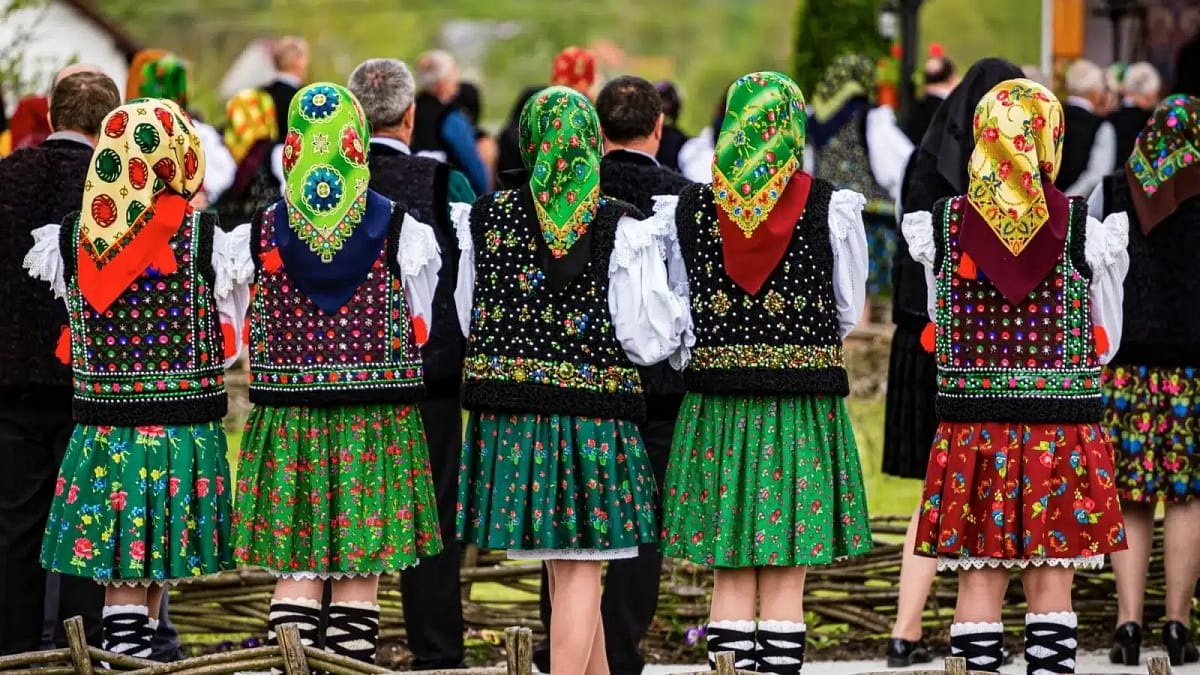
Romania is another country that offers citizenship by descent to victims of the Nazi regime. It also offers citizenship by descent to anyone with an ancestor born in Romania or a former Romanian territory, offered to children, grandchildren, and great-grandchildren.
Spain

Spain offers citizenship by descent through its “Grandchildren’s Law.” If you were born outside of Spain to parents or grandparents who were originally Spanish citizens, according to a complex list of possible circumstances, you may qualify. Spain is the only country on this list that doesn’t allow dual citizenship, except for a specific list of exempted countries (of which the U.S. is not one). There’s also a fast-track citizenship for people with Latin American or Filipino citizenship.
Ireland

Ireland grants citizenship by descent to individuals whose ancestor was an Irish citizen at the time of the individual’s birth. If you or your parents were born in Ireland before 2005, you’re already an Irish citizen and can go ahead and apply for an Irish passport. If at least one of your parents was an Irish citizen or one of your grandparents or (even great grandparents in some cases) was born in Ireland, you can become a citizen through foreign birth registration.
Italy

Italy very recently revised its citizenship by descent law to remove great-grandparents and further back from the list of qualifying ancestors. But if you have an Italian parent or grandparent, you can still apply. Your relative must have been born an Italian citizen or had the right to claim Italian citizenship when they were born.
Poland

Technically, a person with Polish ancestry is a Polish citizen — acquiring citizenship by descent is referred to as “Confirmation of Citizenship,” allowing you to register your citizenship and receive a passport. This option is available for the descendants of a parent, grandparent, or great-grandparent who was Polish. (This includes Polish Jewish ancestors, who might have fled antisemitism in the country post-WWI without realizing they were citizens.) You may qualify if your ancestor was born in Poland, lived in Poland after 1920, or kept their Polish citizenship after 1920 and at the time of your birth.
Portugal

Individuals born in Portugal are granted Portuguese citizenship regardless of their parents’ nationality. But if you weren’t born in Portugal, you can still claim citizenship by descent if you have at least one Portuguese parent or a Portuguese grandparent who hasn’t lost their citizenship. (You’ll also have to demonstrate a basic knowledge of Portuguese.)
The United Kingdom

Citizens of the British Commonwealth may have a fast track to UK citizenship via the UK Ancestry Visa. If you’re a Commonwealth citizen, have a grandparent who was born in the UK, and can demonstrate you have the funds to support yourself and any dependents, you may qualify for a visa. This will allow you to live and work in the UK for five years, at which point you can apply for citizenship.