
Chances are, as you prepare for retirement, you’ve spent decades paying into the Social Security system with every paycheck. Now that it’s finally time to collect, the last thing you want is a foreign government taking a second bite out of your monthly check. For American retirees considering their best country for retiring abroad, the tax implications of their move are often a make-or-break factor.
The good news is that 2026 remains a great year for retirees, provided you know where to look. While some nations treat your Social Security as taxable income, others have pension tax exemptions baked into their DNA. By choosing a destination with a territorial tax system, you ensure that what you earned in the U.S. stays in your pocket.
Here are six countries where your Social Security arrives untouched by local authorities.
(Note: Everyone’s financial situation is different. For questions about your specific Social Security situation abroad, talk to your tax person, or reach out to one of our experts.)
1. Panama: The Gold Standard
Panama has long been the heavyweight champion of tax-free retirement. Their tax system is strictly territorial, meaning the government only cares about money you earn within Panamanian borders.
- The Benefit: Your Social Security, private pensions, and even investment dividends from U.S. accounts are invisible to the Panamanian tax man.
- The Perks: Beyond the tax savings, the famous Pensionado visa grants you legal residency and significant discounts – sometimes up to 50% – on everything from movie tickets and utility bills to medical visits and airline tickets.
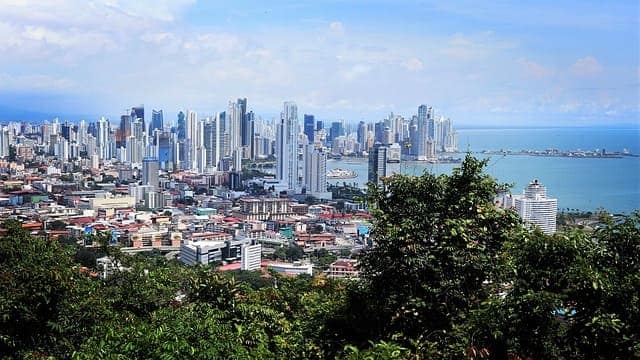
2. Costa Rica: The “Pura Vida” Approach
Costa Rica is another legendary destination that respects the territorial tax model. For decades, it’s been a safe harbor for Americans who want a familiar expat infrastructure without the heavy tax burden.
- The Benefit: U.S. Social Security is not subject to local income tax. As long as your funds are sourced from outside Costa Rica, they are generally exempt.
- The Reality: While the cost of living has risen in popular hubs like Tamarindo, the tax savings on a $2,500 monthly check often cover the difference in rent compared to a high-tax European alternative.

3. Malaysia: Modern Luxury in Southeast Asia
If you’re willing to look further afield, Malaysia offers an incredibly high standard of living for a fraction of U.S. prices. Through its Malaysia My Second Home (MM2H) program, the country has positioned itself as a premier destination for Social Security tax-free living.
- The Benefit: Malaysia does not tax foreign-sourced income brought into the country by residents.
- The Lifestyle: You get access to world-class healthcare in Kuala Lumpur and Penang, a high level of English proficiency among locals, and a climate that stays warm year-round.

4. Portugal: The Western European Choice
Portugal’s tax landscape for retirees has seen some shifts with expat tax 2026 updates. While the old Non-Habitual Resident program is over, Portugal remains one of the few places in Western Europe where you can still find favorable treatment for foreign income under specific residency tracks.
- The Benefit: While not a purely zero-tax environment like Panama, Portugal often applies a flat, reduced rate or specific exemptions for qualifying foreign pensions.
- The Reality: Portugal is probably the “cleanest” tax option for those who want to live in the EU. You trade a slightly more complex tax filing for the safety and culture of the Iberian Peninsula.

5. Paraguay: Simple and Accessible
Paraguay is often overlooked, but for the tax-conscious retiree, it’s a hidden gem. It’s one of the easiest countries in South America to obtain residency, and its tax laws are incredibly friendly to foreigners.
- The Benefit: Like Panama, Paraguay only taxes income earned within the country. Your U.S. checks are 100% exempt from local taxation.
- The Lifestyle: Paraguay is a quiet, stable country with a very low barrier to entry. If you want a no-frills, low-cost home where your dollar stretches to its absolute limit, Paraguay should be on your shortlist.

The Reality of Expat Taxes in 2026
It’s important to remember the “golden rule” of American expatriation: The U.S. taxes you on worldwide income. Even if your new home in Panama or Georgia doesn’t take a cent, you may still owe the IRS if your total income exceeds certain thresholds.
However, choosing a country with tax-free pensions ensures you avoid double taxation. By moving to a destination with a solid tax treaty or a territorial system, you ensure that you aren’t paying two governments for the same hard-earned check.
Key Considerations Before You Move
Before committing to one of these top retirement countries, keep these three things in mind:
- Residency requirements: Most tax-free benefits only kick in once you have formal legal residency.
- Reporting duties: You’ll still need to file FBAR and other forms with the U.S. government to report your foreign bank accounts.
- Scouting trips: Never move based on a tax law alone. Spend time in the country to see if the lifestyle matches the financial benefits.
Relocating is a complex move, but we have experts to help you filter these options to suit your needs and preferences – including helping your retirement funds make it all the way through your retirement abroad.
FAQ
Is U.S. Social Security tax-free in every foreign country?
No. In many countries, especially in Western Europe and Scandinavia, Social Security is treated as regular taxable income once you become a resident. Only countries with specific pension tax exemptions or territorial systems (like those listed above) leave your check alone.
How have expat taxes changes in 2026?
The biggest shift has been in Europe, where countries like Portugal and Italy have tightened their special tax regimes for retirees. Additionally, the U.S. has increased its digital tracking of foreign accounts, making it more important than ever to stay compliant with both IRS and local rules.
Which country is the cheapest for a tax-free retirement?
In terms of pure cost of living, Georgia and Paraguay are clear winners. You can live comfortably on a single Social Security check in these countries, whereas places like the Netherlands or Denmark would require significant personal savings to supplement your income.